
Size
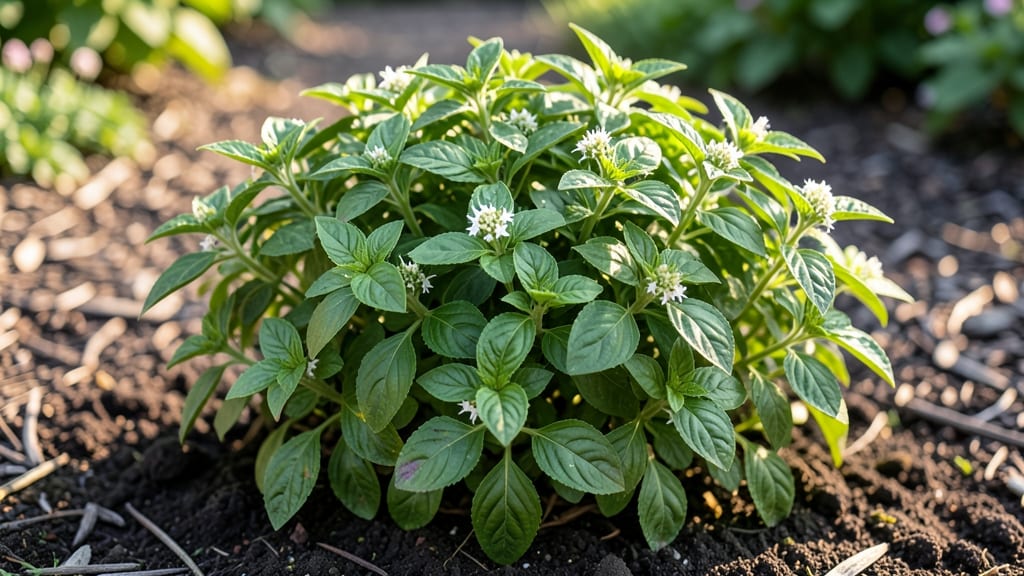
How to grow bushy basil feels like unlocking a secret garden. 🌿 That first harvest of fragrant leaves—thick, vibrant, and ready to snip—happens when you prune right. Most people pinch too late, and their basil stretches tall and leggy.
I’ve learned the exact timing and technique that keeps plants compact, productive, and full of flavor for months.
The magic starts with sunlight—6+ hours daily—and rich, well-draining soil. Basil thrives in pots or garden beds, but the real game-changer is pruning every 4-6 weeks. Cut just above a leaf node (where leaves meet stems), and new branches sprout below, creating that lush, bushy shape.
It’s like teaching the plant to branch out instead of reaching upward.
By following this method, you’ll harvest nonstop all season. The leaves stay tender, the flavor deepens, and you’ll never buy basil again. Even my first attempt—after killing three plants—produced a bushier harvest than I expected. The key is consistency: prune, harvest, repeat.
Works for containers, windowsills, or garden beds. Here’s how to make it foolproof—no green thumb required.
📚 In This Guide
- What you need
- Instructions
- Tips and common mistakes
- Wrapping up and next steps
What you need
- ● Basil seeds or seedlings: 1 packet (or 3–5 healthy nursery seedlings for a fuller start)
- ● Containers: 5–6" deep pots (1–2 per plant) or
- ● A large container (at least 12" wide and deep) for multiple plants
- ● Well-draining potting mix: 1–2 bags (look for "organic" or "herb-specific" blends)
- ● Pruning shears or sharp scissors: (Clean with rubbing alcohol between cuts!)
- ● Watering can or spray bottle: (Avoid soggy soil—basil hates "wet feet")
- ○ Fertilizer (optional but helpful): Balanced liquid fertilizer (10-10-10 or 20-20-20) or
- ● Slow-release organic granules (like fish emulsion or compost)
- ● Sunlight: 6+ hours of direct sunlight daily (a sunny windowsill or outdoor spot works best).
- ● Temperature: Ideal range: 70–80°F (21–27°C). Basil bolts (goes to seed) in heat over 90°F (32°C).
- ● Humidity: Basil loves moisture—mist leaves occasionally if your air is dry.
- ● Drainage: Containers must have drainage holes to prevent root rot.
- ● Grow lights (for indoor setups with <10 hours of sunlight)
- ● Mulch or pebbles (to retain moisture and keep roots cool)
- ● Label markers (to track planting dates and varieties)
- ● Companion plants (like tomatoes or peppers—basil thrives near them!)
Step-by-step instructions for growing bushy basil
Here's the method I swear by to keep basil lush, productive, and compact all season long.
🌱 Step 1: Start with Healthy Seedlings or Cuttings
Choose basil plants with sturdy stems and vibrant green leaves—avoid anything leggy or yellowing. If starting from seed, plant in well-draining soil and keep under bright light until seedlings develop their first true leaves. For cuttings, select 4-6 inch stems just below a leaf node, strip the lower leaves, and root in water until roots form—usually within 7-10 days.
Transplant rooted cuttings or seedlings into individual 6-inch pots filled with a light, airy potting mix. Basil hates soggy roots, so ensure containers have drainage holes. Press the soil gently around the base to eliminate air pockets, then water thoroughly until moisture seeps from the bottom. This ensures roots establish quickly and the plant can focus on bushy growth instead of struggling for stability.
✂️ Step 2: Pinch Back Early for Branching
The secret to bushy basil lies in this first pruning: when your plant reaches 6 inches tall and has 4-6 true leaves, pinch off the top set of leaves just above a pair of lower leaves. This forces the plant to send out side shoots, creating that dense, compact structure. I always use clean, sharp scissors to avoid crushing stems—you'll see new growth at the pinched nodes within 7-10 days.
Don't skip this step (I learned the hard way). Without pinching, basil grows tall and sparse, with all its energy going into one main stem. After pinching, watch for the first side shoots to emerge—these will become your plant's framework. Once you see 3-4 side branches each with 2-3 leaves, it's time for the next pruning.
☀️ Step 3: Maintain Light and Prune Regularly
Place your basil in bright, indirect light with at least 6 hours of morning sun daily. Too much direct afternoon sun can scorch leaves, while too little light leads to leggy growth. If indoors, rotate the pot quarter-turn daily so the plant grows evenly toward the light source. You'll notice leaves on one side stretching toward the window—that's your cue to move it or add a grow light.
Every 4-6 weeks, trim back the plant by ⅓ of its height to encourage new growth. Always cut just above a leaf node where new branches will emerge. Harvest leaves from the top and outer growth first to prevent the plant from becoming top-heavy. The more you prune, the bushier it gets—this isn't just maintenance, it's the key to nonstop leaf production.
💧 Step 4: Water and Feed for Optimal Growth
Water basil when the top inch of soil feels dry—about every 2-3 days in warm weather, less frequently in cooler months. Overwatering is the fastest way to kill basil, so always check moisture before watering. I like to water at the base rather than from above to keep leaves dry, which prevents fungal diseases like powdery mildew. Let excess water drain completely from the pot to avoid root rot.
Feed your basil every 4-6 weeks with a balanced liquid fertilizer diluted to half strength. Organic options like fish emulsion or compost tea work wonders. You'll see a noticeable difference in leaf size and color within a week of fertilizing. If leaves start yellowing between the veins, that's a sign of over-fertilizing—flush the soil with water immediately to correct it.
⏰ Step 5: Harvest Strategically for Continuous Growth
Harvest leaves regularly to encourage bushiness—aim for ⅓ of the plant's growth every 2-4 weeks. Always use clean scissors or fingers to pinch leaves just above a leaf node. This prevents the plant from becoming woody at the base and encourages new growth from lower branches. The best time to harvest is in the morning after the dew has dried, when essential oils are at their peak for flavor.
Never take more than ⅓ of the plant at once—this shocks the basil and stunts growth. Instead, harvest a few leaves here and there throughout the season. You'll notice the plant fills back in within 1-2 weeks of harvesting. In late summer, when growth slows, give your basil a final trim back to 4 inches tall to rejuvenate it for a second flush of growth before the first frost.
Tips & tricks for growing bushy basil
Here's what nobody tells you about keeping basil thriving and productive all season.
Root Development Secret: The 7-10 days it takes for cuttings to root in water is non-negotiable—don't rush it! I've tried transplanting too soon, and the roots just weren't strong enough to support that first critical growth spurt. Once roots appear (about 1-2 inches long), press them gently into the soil to encourage them to branch out. This creates a stronger foundation for your bushy plant.
Pruning Precision: When you're pinching back at the 6-inch mark, always target the spot just above a pair of lower leaves where side shoots will emerge. I use my thumbnail to make a tiny nick in the stem—this prevents crushing and helps direct growth. The 7-10 days for new shoots to appear might feel slow, but patience here prevents that leggy growth we all hate. Watch for those first side branches to reach 2-3 leaves before your next trim.
Light Management: That 6 hours of morning sun is your golden window—afternoon sun can scorch leaves, especially in summer. I've learned to position my basil near an east-facing window or under a sheer curtain if it gets harsh afternoon light. The quarter-turn daily rotation keeps the plant balanced, and you'll notice leaves automatically leaning toward the light source. If you see leaves stretching toward a window, it's your plant's SOS signal for more light.
Harvesting Strategy: The 1-2 week recovery time after harvesting ⅓ of the plant is real—don't panic if it looks sparse immediately. Morning harvests yield the most flavorful leaves, and always cut just above a leaf node to encourage new growth. In late summer, that final trim back to 4 inches gives your basil a second wind before frost. I've kept plants producing through two harvest cycles this way!
Pro Tips for Grow Bushy Basil
- Here's what nobody tells you about keeping basil thriving and productive all season.
- Root Development Secret: The 7-10 days it takes for cuttings to root in water is non-negotiable—don't rush it!
- Pruning Precision: When you're pinching back at the 6-inch mark, always target the spot just above a pair of lower leaves where side shoots will emerge.
Frequently asked questions
Got questions about growing lush, bushy basil?
You’re not alone—here are answers to the most common ones to keep your plants thriving!
How often should I prune basil to keep it bushy?
Prune basil regularly—about every 2–4 weeks—to encourage bushier growth. Pinch off the top set of leaves (above a pair of leaves) when the plant reaches 6–8 inches tall. This redirects energy to side shoots, creating a fuller, more productive plant. Avoid over-pruning, though—never trim more than 1/3 of the plant at once.
How long does it take for basil to grow bushy after pruning?
With proper care, you’ll see new growth within 1–2 weeks after pruning. Warmth (60–80°F), sunlight (6+ hours daily), and consistent watering speed up regrowth. If growth stalls, check for underwatering, poor soil, or pests—they can slow recovery.
Can I grow bushy basil indoors without a lot of sunlight?
Yes! Place your basil near a south-facing window or use a grow light (12–16 hours/day). If natural light is limited, supplement with a LED grow bulb to prevent leggy growth. Rotate the pot weekly for even exposure. Just ensure the spot gets at least 4–6 hours of bright light daily.
Why is my basil growing tall and skinny instead of bushy?
Leggy basil usually means too little light or overcrowding. Fix it by:
- Moving the plant to a sunnier spot (or adding grow lights).
- Pruning the top 1/3 off to encourage side branches.
- Thinning out crowded plants to 12–18 inches apart.
- Fertilizing lightly with a balanced liquid fertilizer (10-10-10) every 4–6 weeks.
What’s the best way to harvest basil without killing the plant?
Harvest basil from the top down to promote bushiness:
- Use clean scissors or fingers to pinch off leaves just above a leaf node (where new leaves grow).
- Avoid cutting into the woody stem—this can harm the plant.
- Harvest regularly but lightly—never take more than 1/3 of the plant at once.
- For large leaves, cut just above a set of leaves to encourage branching.
Wrapping up and next steps
Growing lush, bushy basil is all about consistent pruning, proper care, and patience—but trust us, it’s worth the effort! With the right techniques, you’ll enjoy a thriving plant that keeps producing flavorful leaves all season long. 🌿
Now that you’re armed with the know-how, roll up your sleeves and get growing! Start with your first harvest, then experiment with recipes or share your basil bounty with friends. Happy gardening—your kitchen (and taste buds) will thank you! 😊