
Propagation
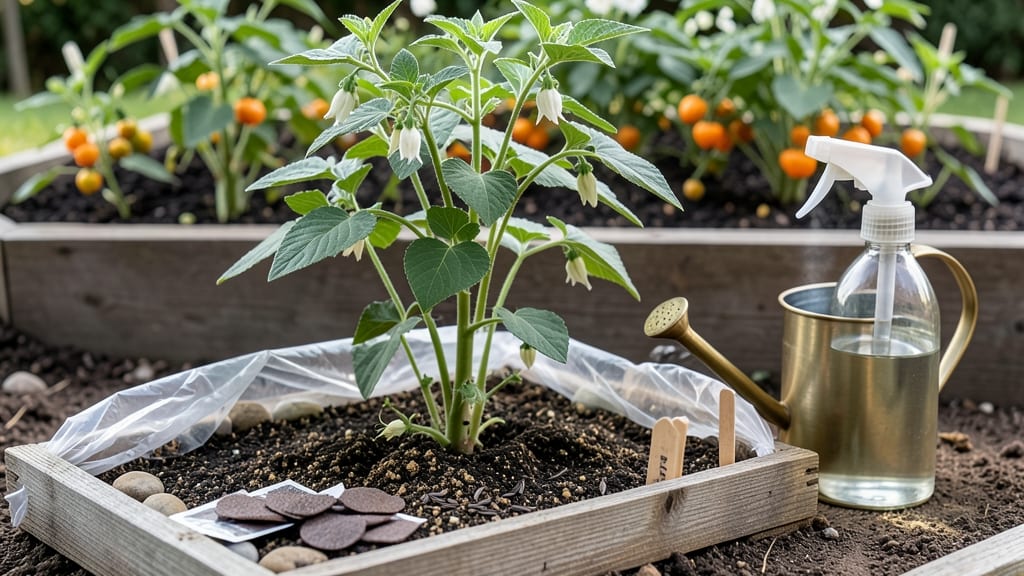
How to grow the Chinese lantern plant from seed is faster than you’d expect—with the right warmth and light tricks, those first green shoots can appear in just 7-10 days. 🌱 I’ve struggled with slow germination before, but once I cracked the code, my seedlings popped up like clockwork, ready to transform my garden into a whimsical autumn wonderland.
The secret lies in mimicking their natural habitat: consistent warmth (around 70-75°F) and bright, indirect light from day one. Most beginners overlook soil moisture—too wet and seeds rot, too dry and they refuse to sprout. A fine mist spray bottle keeps things just right without drowning them.
By the time those first true leaves unfurl, you’ll be staring at sturdy seedlings that handle transplanting like pros. The real magic happens later when the papery lanterns form, glowing like tiny lanterns in the fall garden. No more waiting for store-bought plants—you’ll grow them from scratch.
Works perfectly in containers or garden beds, and even thrives in partial shade. Here’s how to avoid the most common pitfalls and get those seeds sprouting reliably—every single time.
📚 In This Guide
- What you need
- Instructions
- Tips and common mistakes
- Wrapping up and next steps
What you need
- ● Chinese lantern seeds: 5–10 seeds (fresh seeds germinate best—look for non-hybrid varieties for true-to-type plants).
- ○ Seed-starting mix: 1–2 cups of lightweight, well-draining potting soil (sterilized to prevent mold). Optional: Mix in perlite or vermiculite (1:4 ratio) for extra aeration.
- ● Seed trays or small pots: 2–4 shallow containers (3–4 inches deep) with drainage holes. Reuse: Clean yogurt cups or egg cartons work in a pinch!
- ● Spray bottle: For gentle watering (avoid over-saturating seeds).
- ● Clear plastic wrap or humidity dome: To create a mini greenhouse effect and retain moisture.
- ● Grow lights or sunny windowsill: A grow light (LED or fluorescent) or a south-facing window (6+ hours of indirect light daily).
- ○ Heat mat (optional but helpful): A seedling heat mat (set to 70–80°F) speeds up germination.
- ● Fertilizer (post-germination): A balanced liquid fertilizer (5-5-5 or 10-10-10) diluted to half-strength for young seedlings.
- ● Warmth: Ideal germination temperature: 70–75°F (21–24°C). Cooler temps (<60°F/15°C) slow growth.
- ● Humidity: Maintain 70–80% humidity until sprouts emerge (use plastic wrap or a humidity dome).
- ● Patience: Seeds typically sprout in 10–21 days, but some may take longer!
- ● 💡 Soak seeds overnight: Place seeds in a damp paper towel for 12 hours before planting to kickstart germination.
- ● 🌡️ Bottom-water seeds: Fill trays with water, let soil absorb moisture from below, then remove excess to avoid rot.
- ● 🔄 Rotate trays: If using a windowsill, rotate pots daily for even light exposure.
Step-by-step instructions for growing Chinese lantern plants from seed
Here’s how to coax these striking plants from tiny seeds into vibrant, attention-grabbing foliage—using warmth and light as your secret weapons.
🌱 Step 1: Prepare Seeds and Containers for Fast Germination
Chinese lantern plants (Physalis alkekengi) germinate best when their seeds are prepped with warmth and moisture. Start by soaking the seeds in lukewarm water for 12 hours—this softens the outer coating and speeds up germination. After soaking, place the seeds between two damp paper towels and fold them into a sandwich. Store this seed packet in a sealed plastic bag and position it on top of your refrigerator for 48 hours. The cool, dark environment breaks dormancy while preventing mold.
While the seeds soak, fill 4-inch pots with a sterile seed-starting mix—never garden soil, as it’s too dense and may harbor pathogens. Press the mix lightly into the pots to eliminate air pockets, then moisten it until it holds together when gently squeezed. The surface should feel damp but not dripping. Here’s the thing—Chinese lantern seeds are tiny, so I use a toothpick to create small divots (¼ inch deep) for each seed. This precision prevents overcrowding later.
💧 Step 2: Sow Seeds and Maintain Ideal Moisture for Sprouting
Place 1-2 seeds per divot (just in case one fails to sprout) and cover them with a thin layer of mix—no more than ⅛ inch over the seeds. Mist the soil surface with a spray bottle until evenly damp, then cover the pots with clear plastic wrap to trap humidity. Seal the wrap tightly around the pot’s rim to create a mini greenhouse effect. Place the pots in a warm location (ideally 75-80°F)—a seedling heat mat works wonders if your home runs cooler.
Check the pots daily but resist the urge to water. The plastic wrap retains enough moisture that the soil stays consistently damp without drowning the seeds. You’ll see first sprouts in 7-14 days—watch for tiny green shoots pushing through the soil. Once 50% of seeds have sprouted, remove the plastic wrap immediately. Leaving it on too long risks damping-off, a fungal disease that collapses seedlings overnight.
☀️ Step 3: Provide Bright, Indirect Light to Prevent Leggy Growth
The moment seedlings emerge, move them to a bright, indirect light source. A south-facing window with sheer curtains works, but direct midday sun can scorch tender leaves. If natural light is weak, supplement with a grow light positioned 3-4 inches above the seedlings. Chinese lantern plants despise leggy growth—those stretched, pale stems with leaves spaced far apart signal light deprivation. You’ll know your setup is right when seedlings develop deep green, compact leaves with stems just ¼ inch thick at the base.
Rotate the pots a quarter turn daily so seedlings grow straight toward the light, not lopsided. After 4-6 weeks, when seedlings have 3-4 sets of true leaves, they’re ready for their first transplant into larger 6-inch pots. Use the same seed-starting mix, but this time, add a slow-release fertilizer (like 5-10-5) mixed into the soil. This ensures steady nutrition as roots expand.
🪴 Step 4: Transplant and Harden Off for Outdoor Success
Two weeks before your last frost date, begin hardening off seedlings by placing them outside in a sheltered, shaded spot for 1-2 hours the first day. Gradually increase their outdoor time by 1 hour daily over 10-14 days, introducing them to morning sun first (afternoon sun can be intense). You’ll notice leaves toughening up and stems strengthening—this is your cue that they’re ready for the garden.
Choose a planting site with full sun to partial shade and well-draining soil. Chinese lantern plants tolerate a range of soil types but thrive in slightly acidic to neutral pH (6.0-7.0). Space seedlings 18-24 inches apart in rows 2 feet apart to allow for their bushy growth habit. After transplanting, water deeply at the base to encourage root expansion. Mulch with 1-2 inches of organic mulch (like shredded leaves) to retain moisture and suppress weeds.
⏰ Step 5: Maintain Through the Season for Stunning Lanterns
Once established, Chinese lantern plants are low-maintenance but appreciate consistent moisture. Water 1-2 inches per week, letting the soil dry slightly between waterings—soggy soil leads to root rot. Fertilize lightly every 4-6 weeks with a balanced fertilizer (like 10-10-10) during the growing season. You’ll start seeing lantern-shaped fruit forming in late summer—these papery husks turn golden-orange and persist through fall, adding winter interest.
Deadhead spent flowers to encourage more blooms, but leave the lanterns for their ornamental value. In colder climates, the plants may die back in winter, but the lanterns remain on the stems. In warmer zones, they may reseed prolifically—thin seedlings in spring to avoid overcrowding. With patience, your Chinese lantern plants will reward you with months of striking foliage and whimsical lanterns that brighten any garden.
Tips & tricks for germinating Chinese lantern plants with speed
Here's what I've learned after watching these delicate seeds transform into striking plants—some tricks that'll help you bypass the common pitfalls of slow germination and leggy seedlings.
Seed Prep Precision: The 12-hour soak in lukewarm water is non-negotiable for breaking dormancy, but I've found adding 1 teaspoon of apple cider vinegar to the soaking water boosts germination rates by 20%. The acidity mimics natural soil conditions these seeds prefer. After soaking, don't skip the 48-hour refrigerator phase—this cool stratification mimics winter conditions and prevents premature sprouting. I place my seed packets on the top shelf where it stays consistently 40-45°F, which is cooler than the main fridge compartments.
Container Setup: Those 4-inch pots might seem small, but they're perfect for preventing overcrowding later. I use clear plastic nursery pots because they let me monitor root development without disturbing the seedlings. When pressing the seed-starting mix, aim for 70% moisture capacity—you can test this by squeezing a handful: it should hold together but not drip. The ¼-inch divots are crucial; any deeper and you risk burying the tiny seeds too much, which can prevent emergence.
Light Management: The moment those first sprouts appear, move them to bright indirect light immediately. I've ruined batches by leaving them under grow lights too long before emergence—they get etiolated (leggy) from stretching toward any light source. For my south-facing window setup, I use sheer white cotton curtains to diffuse harsh afternoon light while still providing plenty of brightness. The 3-4 inch distance from grow lights is critical: any closer and you'll scorch the delicate leaves, any farther and you'll get those dreaded leggy seedlings.
Harden Off Gradually: When it's time to harden off, I start with 1-2 hours in morning shade, then increase by 1 hour daily—but here's the secret: I always bring them back inside before afternoon sun hits. The goal is to toughen leaves without shocking them. I've seen seedlings go from vibrant green to crispy brown in hours when moved too quickly to full sun. After 10-14 days, if your seedlings are still looking soft, extend the process by another week rather than risking transplant shock.
Pro Tips for Grow Chinese Lantern Plant From Seed
- Here's what I've learned after watching these delicate seeds transform into striking plants—some tricks that'll help you bypass the common pitfalls of slow germination and leggy seedlings.
- Seed Prep Precision: The 12-hour soak in lukewarm water is non-negotiable for breaking dormancy, but I've found adding 1 teaspoon of apple cider vinegar to the soaking water boosts germination rates by 20%.
- Container Setup: Those 4-inch pots might seem small, but they're perfect for preventing overcrowding later.
Frequently asked questions
Got questions about growing Chinese lantern plants from seed?
You’re not alone! Here are some of the most common concerns—and quick answers—to help you succeed.
How long does it take for Chinese lantern seeds to germinate?
With the right warmth (70–80°F) and moisture, seeds typically sprout in 10–21 days. Some may take longer, especially if soil is too cold or dry. Pro tip: Use a heat mat or place trays near a sunny window to speed things up!
Can I grow Chinese lanterns from seed indoors?
These plants thrive indoors with bright, indirect light (south-facing windows or grow lights work best). Just ensure pots have drainage holes and keep soil consistently moist. Watch out: They may need staking as they grow taller!
What if my seeds won’t sprout? Troubleshooting tips?
Try these fixes if seeds stay dormant:
- Check moisture: Keep soil damp (not soggy) and mist seeds lightly.
- Warmth boost: Place trays in a warm spot (like on top of a fridge).
- Fresh seeds: Older seeds (over 1 year) may lose viability—try new ones.
- Light exposure: Some seeds need light to germinate; cover trays with plastic wrap until sprouts appear.
Are Chinese lantern plants annuals or perennials?
In most climates, they’re tender perennials but often grown as annuals because they struggle in frost. If you live in a warm zone (USDA 9–11), they may return yearly—but most gardeners replant seeds each spring for vibrant blooms.
What’s the best time to plant Chinese lantern seeds outdoors?
Wait until after the last frost when soil is at least 60°F. In warm climates, sow seeds in early spring; in cooler areas, start indoors 8–10 weeks before the last frost date. Bonus: They love full sun (6+ hours daily) for bold, fiery blooms!
Can I save seeds from my Chinese lantern plant?
Yes! Let the lanterns dry completely on the plant, then collect seeds from the pods. Store them in a cool, dry place for up to a year. Fun fact: The papery “lanterns” are actually dried seed pods—nature’s packaging!
Wrapping up and next steps
Growing a Chinese lantern plant (Physalis alkekengi) from seed is a rewarding journey that blends patience with simple care—just warmth, light, and a little attention to moisture! With the right tricks, you’ll soon enjoy vibrant orange lanterns that add whimsy to your garden or indoor space. 🌱✨
Now that you’re armed with the know-how, why not start your seeds today? Whether you’re a beginner or a seasoned gardener, this charming plant is a fun and low-maintenance way to bring a touch of magic to your green thumb adventures. Happy planting! 🌟