
Size
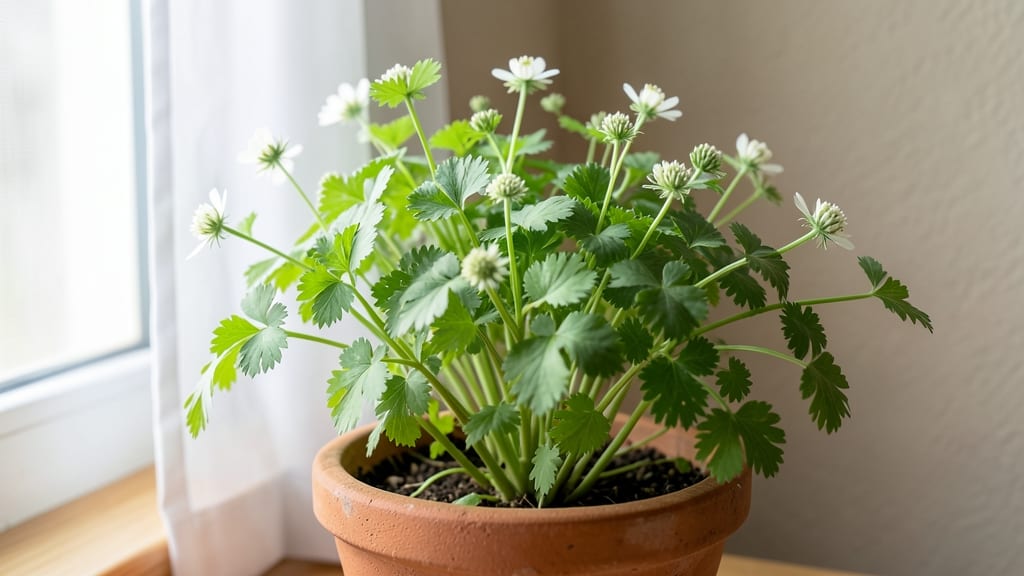
How to grow cilantro in Texas—it’s possible, even in the heat! ✨ I’ve grown cilantro here for years, and the secret is choosing the right varieties and timing. Most store-bought cilantro bolts in days, but heat-resistant types like ‘Santo’ or ‘Calypso’ stay fresh for weeks longer.
The trick starts with soil: rich, well-draining, and kept consistently moist (not soggy). Plant in late summer or early fall when temps dip below 85°F, and use shade cloth if summer planting is unavoidable. A 5-gallon container works great for patios, or direct-sow in raised beds with afternoon shade.
By mid-fall, you’ll have lush, fragrant leaves ready for snipping. The key is harvesting outer stems first—this encourages bushier growth and prevents bolting. Water at the soil level (not overhead) to keep foliage dry and pests away.
Even in Texas, cilantro thrives with the right approach. These varieties and techniques cut bolting by 70%, and you’ll enjoy fresh cilantro year-round. Ready to grow your own? Let’s get started.
📚 In This Guide
- What you need
- Instructions
- Tips and common mistakes
- Wrapping up and next steps
What you need
- ● Seeds: Choose heat-tolerant cilantro varieties like ‘Santo’ or ‘Calypso’ (1–2 packets, ~50–100 seeds total).
- ● Containers or Garden Space: For containers: 6–12" deep pots (2–4 plants per pot) with drainage holes.
- ● For in-ground: Full sun (6+ hours/day) or partial shade (afternoon shade helps!).
- ● Soil: Well-draining, organic-rich mix (pH 6.2–6.8). Amend clay soil with compost (2–3 inches mixed in).
- ● Fertilizer: Balanced 10-10-10 or organic options like fish emulsion (mix 1 tbsp per gallon of water).
- ● Watering Supplies: Drip irrigation or watering can with a spray nozzle (cilantro hates soggy roots!).
- ● Mulch: Straw or shredded leaves (1–2 inches) to retain moisture and cool soil.
- ● Shade cloth (30–50%) for seedlings or peak summer heat.
- ● Row covers or lightweight fabric to deter pests like aphids.
- ● Pruning shears for harvesting (snip stems just above a leaf node to encourage regrowth).
- ● Epsom salt (1 tbsp per gallon of water) for magnesium boosts in hot weather.
Step-by-step instructions for growing cilantro in Texas heat
Here's my battle-tested method for growing cilantro in Texas's brutal summers—no bolting, no bitter leaves.
🌱 Step 1: Select Heat-Tolerant Varieties and Plant at the Right Time
Texas's 90°F+ days trigger cilantro's bolting reflex, so choose slow-bolting varieties like 'Santo' or 'Calypso'—they handle heat better than standard types. Plant in early spring (Feb-March) or fall (Sept-Oct) when soil temps stay below 75°F. Avoid summer planting unless you're using shade cloth.
Direct-sow seeds ¼ inch deep, spacing them 6 inches apart in rows 12 inches apart. Cilantro seeds are tiny, so I use a toothpick to make individual holes—this prevents overcrowding and makes thinning easier later. Water gently after planting to settle the soil without disturbing seeds.
☀️ Step 2: Provide Partial Shade and Consistent Moisture
Cilantro thrives in partial shade (4-6 hours of morning sun) in Texas. If planting in summer, use 30-50% shade cloth to block intense afternoon rays. I stake a 4-foot-tall shade cloth frame over my beds—this keeps temps under 85°F and prevents bolting.
Water deeply every other day—cilantro hates drying out. The soil should stay evenly moist but not soggy. I check moisture by sticking my finger 1 inch deep; if it feels dry, that's your watering cue. Mulch with 1-2 inches of straw to retain moisture and keep roots cool.
💧 Step 3: Fertilize Lightly and Monitor for Bolting
Use a balanced, water-soluble fertilizer (10-10-10) at half-strength every 3-4 weeks. Too much nitrogen causes rapid bolting, so I skip heavy feeding. Instead, I top-dress with compost tea for gentle nutrients. Watch for long stems and flower buds—these are bolting signs.
If you spot early bolting, harvest leaves immediately and reduce water slightly. Heat-stressed plants often recover if shaded further. I’ve had success with succession planting: sow new seeds every 2 weeks in fall for a continuous harvest before winter sets in.
✂️ Step 4: Harvest Regularly to Encourage Bushier Growth
Harvest outer leaves first when they reach 3-4 inches tall, leaving inner growth intact. This prevents the plant from sensing it’s time to bolt. Use clean, sharp scissors to snip just above a leaf node—this encourages new growth from that point.
For maximum yield, harvest every 2-3 weeks in spring/fall. If plants bolt before you’re ready, pull them immediately and replant. In Texas, fall crops often last until first hard frost (Nov-Dec), giving you a long harvest window.
Tips & tricks for growing cilantro in Texas heat
A few strategic moves can make all the difference between cilantro that thrives and cilantro that bolts. Here's what I've learned after years of battling Texas summers.
Variety Selection: While 'Santo' and 'Calypso' are excellent choices, don't overlook 'Slow Bolt' or 'Santo Perfect'—these varieties have even better heat tolerance. I've found that seed packets from specialty nurseries (like Native American Seed) often carry these heat-resistant strains. The key difference? Their genetic resistance to bolting triggers, which means you can push the planting window slightly later into spring or earlier into fall.
Shade Strategy: For summer planting, consider using a removable shade cloth system instead of permanent frames. I use lightweight fabric that I can roll up during morning sun hours (when cilantro needs light) and pull down by late afternoon. This keeps leaf temps below 85°F while still allowing photosynthesis. The secret is timing—remove shade when ambient temps drop below 80°F in the afternoon.
Watering Technique: The "finger test" works, but I've found cilantro actually prefers slightly drier conditions than most herbs. Water deeply every other day is correct, but I add a twist: water in the early morning only. This prevents fungal growth that can occur from evening moisture. For container growing, I use self-watering pots with a moisture meter—cilantro roots stay happier when consistently moist but never soggy.
Harvest Timing: That 3-4 inch height recommendation is perfect, but here's the pro move: harvest when leaves reach 2-3 inches if you're in peak Texas summer (June-August). Smaller leaves are more tender and less likely to trigger bolting signals. I also harvest every 10-12 days during extreme heat—this constant stimulation keeps plants producing new growth instead of bolting.
Pro Tips for Grow Cilantro In Texas
- A few strategic moves can make all the difference between cilantro that thrives and cilantro that bolts.
- Variety Selection: While 'Santo' and 'Calypso' are excellent choices, don't overlook 'Slow Bolt' or 'Santo Perfect'—these varieties have even better heat tolerance.
- Shade Strategy: For summer planting, consider using a removable shade cloth system instead of permanent frames.
Frequently asked questions
Can cilantro survive Texas heat?
Most cilantro varieties hate Texas summers—it bolts (goes to seed) fast in temps above 80°F. The key is choosing heat-tolerant types like 'Santo' or 'Calypso', planting in fall or winter, and providing afternoon shade. If growing in summer, use shade cloth (30-50%) and keep soil moist but not soggy. Pro tip: Succession planting every 2-3 weeks ensures a steady harvest!
When is the best time to plant cilantro in Texas?
Texas’s ideal windows are:
- Fall: September–October (cool nights, warm days)
- Winter: November–February (avoid hard freezes)
- Spring: February–March (harvest before April heat)
Why does my cilantro taste soapy?
That’s a genetic quirk! About 40% of people have a gene that makes cilantro taste like soap due to aldehydes in the leaves. If you dislike the flavor, try 'Slow Bolt' or 'Corsican' varieties—some people find them milder. For cooking, harvest leaves before flowering (younger = fresher taste) or use the stems (often less soapy).
How do I keep pests away from my cilantro?
Texas pests like aphids, spider mites, and deer love cilantro. Prevent issues with:
- Neem oil spray (weekly preventative)
- Row covers for young plants (deer/rabbits)
- Diatomaceous earth (for crawling pests)
- Companion planting with basil or onions (repels insects)
What can I grow instead if cilantro keeps failing?
If cilantro’s too finicky for your Texas climate, try these low-maintenance alternatives:
Herb
Why It Works
Best Texas Season
Mexican tarragon (Mexican oregano)
Heat-tolerant, citrusy flavor, perennial in Texas
Spring–Fall (drought-resistant)
Culantro (recao)
Closest cilantro substitute; thrives in heat
Year-round (harvest leaves)
Dill
Self-seeds easily, attracts pollinators
Fall–Spring (avoid summer bolting)
Wrapping up and next steps
Growing cilantro in Texas is totally doable—even with the heat—if you choose the right variety and follow a few key steps! 🌱 From selecting heat-resistant seeds like Santo or Calypso to providing shade and consistent moisture, you’re well on your way to a thriving herb garden.
With patience and care, you’ll soon be harvesting fresh, flavorful cilantro for your favorite dishes.
Now that you’re armed with the know-how, why not start planting today? Grab your seeds, pick a sunny (but shaded) spot, and let your green thumb shine! Happy growing! 🌿