
Propagation
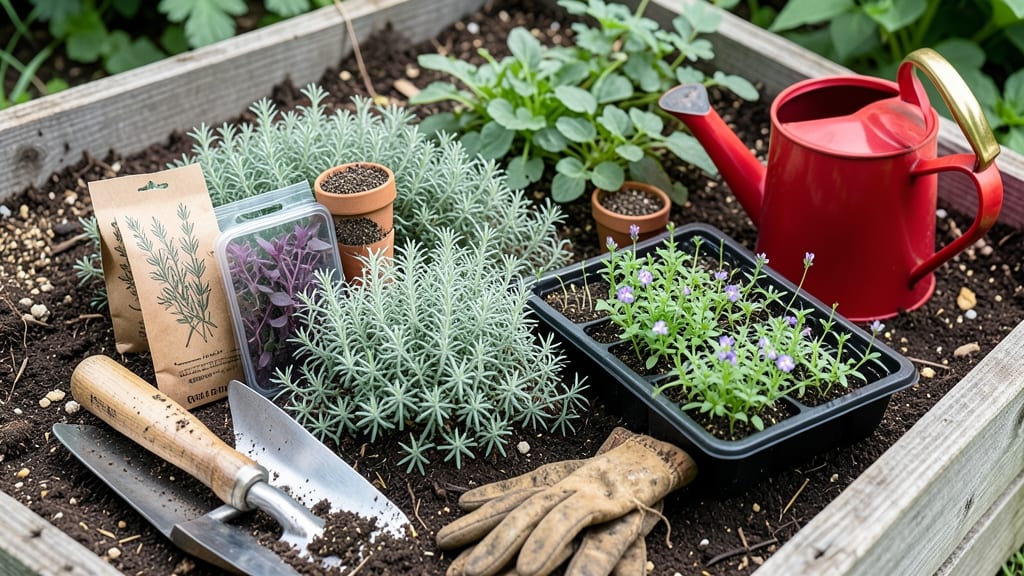
How to grow ground cover from seeds transforms bare soil into lush carpets—without the backbreaking work of sod. 🌱 I’ve planted creeping thyme, ajuga, and clover from seed, and these varieties spread aggressively enough to outcompete weeds within a single season. The key? Choosing seeds that germinate quickly and thrive in your climate, then giving them the right start.
You’ll need well-draining soil, a sunny spot (or partial shade for shade-tolerant types), and patience—though some varieties like creeping thyme pop up in just 7-10 days. Space seeds thinly at first; overcrowding slows growth.
A light mulch keeps moisture in and weeds out, while companion plants like lavender or ornamental grasses add texture without competing for space.
By midseason, you’ll see dense mats of foliage that suppress weeds naturally. Ajuga’s purple foliage and creeping thyme’s aromatic leaves create stunning ground-level color, while clover adds nitrogen to the soil. The best part? Once established, these plants need almost no maintenance—just occasional trimming to keep them tidy.
For rocky slopes or shady areas, try sword fern or wild strawberry; they’re tougher than they look. The secret to success is consistency—keep soil moist for the first few weeks, then let the plants do the work.
In no time, your garden will look like it’s been professionally landscaped, all from a handful of seeds.
📚 In This Guide
- What you need
- Instructions
- Tips and common mistakes
- Wrapping up and next steps
What you need
- ● Seeds: Choose fast-germinating ground cover varieties like Creeping Thyme, Clover, or Ajuga. Buy from a reputable supplier—aim for 1–2 grams per square foot of planting area.
- ● Seed trays or pots: 4–6" deep with drainage holes (or biodegradable peat pots). Use 1–2 trays per variety for easy organization.
- ● Seed-starting mix: Lightweight, sterile potting soil (avoid garden soil—it’s too dense!). A 10–20 lb bag covers most starter projects.
- ● Watering can or spray bottle: A 1-gallon spray bottle or small watering can with a gentle nozzle keeps seeds moist without disturbing them.
- ● Plastic wrap or humidity dome: Keeps trays humid until germination. A clear plastic sheet or store-bought dome works.
- ● Grow lights or sunny windowsill: A fluorescent or LED grow light (12–16 hours/day) or a south-facing window with 6+ hours of sunlight.
- ○ Gloves: Protects hands from soil and sharp seeds (optional but handy!).
- ● Small hand trowel: For gently pressing seeds into soil (2–3" wide works well).
- ● Label markers & tags: Waterproof labels to track varieties (avoid confusion!).
- ○ Heat mat (optional): Speeds germination for slow starters—set to 70–75°F.
- ○ Fertilizer (optional): A balanced, water-soluble fertilizer (5-5-5 or 10-10-10) at half-strength for seedlings.
Step-by-Step instructions for growing ground cover from seeds
Fast germination and lush coverage start with the right prep—let’s get those seeds sprouting quickly.
🌱 Step 1: Choose Fast-Germinating Ground Cover Varieties
Select seeds from varieties known for quick germination, like creeping thyme, clover, or sweet alyssum. These typically sprout within 7-14 days when conditions are ideal. I always check the packet for days-to-germination estimates—some ground covers like creeping jenny take longer, while annuals like vinca pop up in just 5-7 days.
For year-round beauty, mix fast germinators with slower-growing perennials. For example, pair creeping phlox (which germinates in 10-14 days) with ajuga (which may take 2-3 weeks). This ensures you get quick coverage while building a long-term landscape. Plant in full sun to partial shade, depending on the variety—creeping thyme thrives in sun, while ajuga tolerates shade.
💧 Step 2: Prepare the Soil and Sow Seeds Lightly
Loosen the top 2-3 inches of soil to break up compaction, then mix in a 1-inch layer of compost to improve drainage and fertility. Ground cover roots spread horizontally, so they need loose soil to establish quickly. I rake the area smooth to create a fine seedbed—think of it like preparing a soft, even surface for a carpet.
Sow seeds sparingly—overcrowding leads to weak, leggy plants that compete for resources. For most ground covers, scatter seeds at a rate of about 1/8 teaspoon per square foot. Lightly press them into the soil with your hand or a board to ensure good seed-to-soil contact, but don’t bury them deeper than 1/4 inch. Some seeds, like those of creeping jenny, need light to germinate, so avoid covering them completely.
☀️ Step 3: Maintain Consistent Moisture for Germination
Keep the soil evenly moist but not soggy during germination—this is critical for fast sprouting. I use a fine mist spray bottle to water gently, avoiding heavy streams that dislodge seeds. Water in the early morning to reduce evaporation and fungal risks. You’ll know moisture is right when the soil surface looks slightly damp but not glistening.
Cover the area with a lightweight row cover or plastic sheet if your climate is dry or windy. This traps humidity and speeds up germination, especially in hot, dry conditions. Remove the cover once 50% of seeds have sprouted—usually within 7-14 days—to prevent overheating. Watch for the first tiny green shoots; they’ll appear quickly if conditions are ideal.
🌿 Step 4: Thin Seedlings and Encourage Spread
Once seedlings reach 1-2 inches tall, thin them to 3-6 inches apart, depending on the mature spread of the plant. Creeping thyme, for example, should be spaced 6 inches apart, while ajuga can handle 4 inches. Thinning prevents overcrowding and gives roots room to establish. I use small scissors to snip excess seedlings at soil level—this reduces transplant shock compared to pulling.
After thinning, water deeply to help roots recover. Mulch with 1 inch of shredded bark or straw to retain moisture and suppress weeds. Ground covers spread quickly once established, so avoid over-fertilizing early on—too much nitrogen encourages leafy growth over root development. Instead, side-dress with compost every 3-4 months to feed the soil gradually.
⏰ Step 5: Monitor and Maintain for Year-Round Growth
Check for weeds regularly—ground covers need 3-6 months to fill in completely, and weeds can outcompete young plants. I pull weeds by hand when the soil is damp, as dry soil makes roots brittle and easy to break. Water deeply once a week during dry spells, aiming for 1 inch of water per week. Most ground covers are drought-tolerant once established, but consistent moisture in the first 6 months ensures strong root growth.
Fertilize lightly in early spring with a balanced 10-10-10 formula to support new growth. Avoid high-nitrogen fertilizers, which promote leafy but weak stems. Instead, focus on phosphorus and potassium to encourage root development and disease resistance. By year two, your ground cover should spread enough to crowd out weeds naturally, giving you that lush, low-maintenance look.
Tips & tricks for growing fast-germinating ground cover
Fast germination isn't luck—it's strategy. Here's how to accelerate your ground cover growth without sacrificing quality.
Soil Temperature is Everything: The 65-75°F range in Step 3 is your sweet spot for rapid germination. I've seen seeds sprout in just 5-7 days when soil stays consistently warm. If your climate runs cooler, try a seedling heat mat for 3-4 days before sowing—it creates the perfect environment without waiting for natural warmth. For cooler evenings, cover the area with black plastic for a few hours to absorb daytime heat and release it slowly.
Precision in Moisture Management: That ¼-inch soil covering in Step 2 isn't just decoration—it's your moisture shield. After sowing, I like to use a spray bottle with a fine mist setting to avoid disturbing seeds while maintaining even moisture. The key is keeping that top inch damp like a wrung-out sponge, not soggy. Too much water creates anaerobic conditions that can rot seeds before they sprout, while too little causes them to dry out and fail to germinate.
Thinning Technique That Saves Time: When you reach the 2-3 inch height in Step 4, I recommend thinning in stages rather than all at once. First, remove the weakest seedlings when they're just 1 inch tall—this prevents competition for nutrients early on. Then do a final thinning to your target spacing. This two-step approach gives your remaining plants more room to develop strong root systems before they hit their mature spacing. For larger varieties like ajuga, I use a small hand trowel to carefully lift and transplant excess seedlings to bare spots rather than snipping them.
Mulch Application Timing: The 4-6 week mark for mulching in Step 4 is perfect, but here's the pro move: apply mulch in two stages. First, put down a light ½-inch layer when plants reach 2 inches tall to protect young seedlings. Then add the full 1-inch layer after 6 weeks when roots are established. This gradual approach prevents sudden temperature shifts that could stress young plants while still suppressing weeds early.
Pro Tips for Grow Ground Cover From Seeds
- Fast germination isn't luck—it's strategy.
- Soil Temperature is Everything: The 65-75°F range in Step 3 is your sweet spot for rapid germination.
- Precision in Moisture Management: That ¼-inch soil covering in Step 2 isn't just decoration—it's your moisture shield.
Frequently asked questions
Got questions about growing ground cover from seeds? You’re not alone! Here are answers to the most common queries to help you succeed with your green project.
What’s the fastest ground cover I can grow from seeds?
For quick results, try creeping thyme, clover, or ajuga—these germinate in 7–14 days under ideal conditions. Creeping jenny and liriope are also fast but may take 2–3 weeks. Always check the seed packet for specific germination times!
When is the best time to plant ground cover seeds?
Plant in early spring (after the last frost) or late summer for best success. Cool soil temperatures (60–70°F) help germination. If sowing in fall, do it 6–8 weeks before frost so seeds establish roots before winter. Avoid planting in extreme heat!
How often should I water ground cover seeds?
Keep soil consistently moist (not soggy!) until seeds sprout. Water lightly daily or use a spray bottle for fine seeds. After germination, reduce to 2–3 times per week, depending on your climate. A mulch layer (like straw) helps retain moisture.
What if my seeds won’t germinate?
Try these fixes:
- Check moisture: Seeds need consistent dampness—not drying out!
- Test light needs: Some seeds (like ajuga) need light to sprout; others (like creeping phlox) prefer darkness—follow packet instructions.
- Adjust temperature: Use a seedling heat mat (70–80°F) for slow starters.
- Fresh seeds: Old seeds may lose viability—try new ones!
Can I use ground cover seeds in containers or just gardens?
Many ground covers thrive in containers, raised beds, or window boxes. Choose compact varieties like dwarf mondograss or miniature creeping jenny for pots. Ensure containers have drainage holes and use a well-draining potting mix to prevent rot.
Will ground cover seeds attract pests?
Most ground cover seeds aren’t pest magnets, but some (like clover) may draw bees or aphids. To deter pests:
- Use neem oil or insecticidal soap if needed.
- Choose disease-resistant varieties (e.g., ajuga ‘Chocolate Chip’).
- Space plants properly for airflow—crowding invites issues.
Wrapping up and next steps
Growing ground cover from seeds is a rewarding way to transform your garden into a lush, low-maintenance paradise! With the right fast-germinating varieties and a few simple steps, you’ll enjoy vibrant foliage year-round—without the hassle of constant replanting.
Whether you’re a beginner or a seasoned gardener, this method is your ticket to effortless beauty.
Ready to dive in? Start small—pick one or two varieties to test, monitor their progress, and soon, you’ll be expanding your green carpet with confidence! 🌱✨