
Propagation
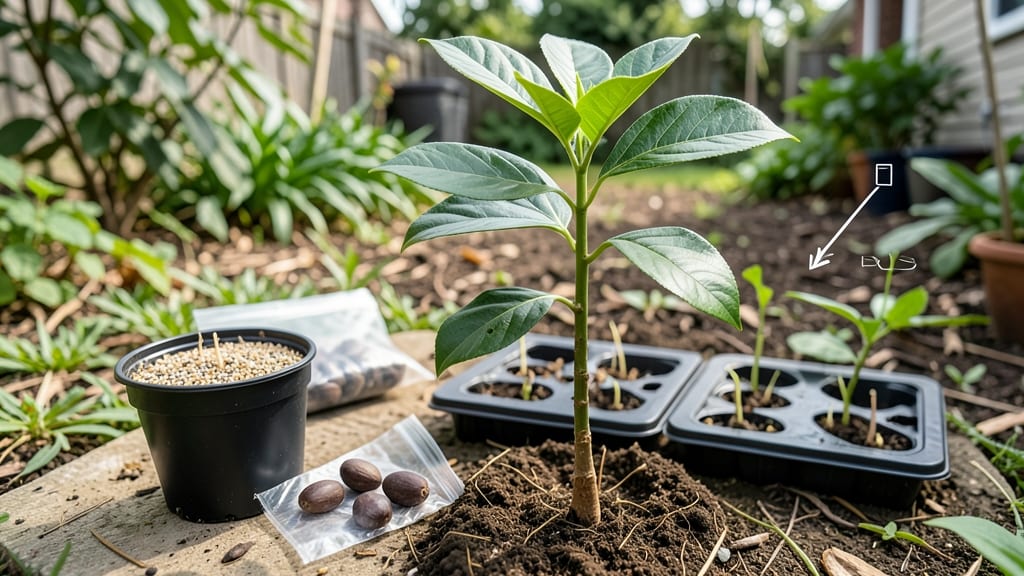
That first guava seed you save from your grocery store fruit could grow into a lush tropical tree. 🌱 I’ve watched slow-starting guava seedlings transform into sturdy 6-foot plants in just 18 months—with the right patience and care.
The key isn’t rushing germination but giving roots time to establish before they face the heat. Guava seeds need warmth and moisture to wake up, but they’re stubborn about it. Soak them overnight first, then plant them just ½ inch deep in a mix of potting soil and perlite.
Keep the pot in bright, indirect light (no direct sun yet) and maintain damp—not soggy—soil. Germination takes 2-6 weeks, but don’t give up if nothing happens in the first 3 weeks. Once sprouts appear, you’ll notice thick, waxy leaves unfurling within 1-2 weeks.
That’s when the real work begins—transplanting into larger pots and gradually introducing them to full sun. Guavas love heat but hate cold drafts, so keep them cozy until they’re at least 12 inches tall. The biggest challenge? Slow growth.
Guava trees take 3-5 years to fruit from seed, but the reward—juicy, fragrant guavas—makes every waiting month worth it. Here’s how to keep them thriving until then.
📚 In This Guide
- What you need
- Instructions
- Tips and common mistakes
- Wrapping up and next steps
What you need
- ● Guava seeds: 3–5 fresh, plump seeds (harvested from ripe guava fruit). Pro tip: 💡 Save seeds from organic guavas for better germination!
- ● Small seedling pots or biodegradable peat pellets: 2–3 (4–6 inches in diameter) with drainage holes.
- ● Well-draining potting mix: 1–2 bags (look for a blend labeled for seedlings or tropical plants).
- ● Spray bottle with water: For gentle hydration.
- ● Clear plastic bag or humidity dome: To create a mini greenhouse effect.
- ● Grow lights or sunny windowsill: A spot with 6–8 hours of indirect light daily.
- ○ Seedling heating mat: (Optional) Keeps soil warm (70–85°F) for faster germination.
- ● Fertilizer (balanced, low-nitrogen): Diluted liquid fertilizer (e.g., 10-10-10) for early growth.
- ● Pruning shears: For trimming leggy seedlings later.
- ● Larger container (5+ gallons): For transplanting once seedlings are 6+ inches tall.
Step-by-step instructions for growing guava trees from seed
Here's how to turn a single guava seed into a thriving tropical tree in just six months.
🌱 Step 1: Extract and Prepare the Seeds
Start with fresh guava seeds—older seeds lose viability quickly. Cut open a ripe guava and scoop out the seeds, removing any remaining fruit pulp. Rinse them gently under cool water to remove sticky residue, then let them air-dry for 24 hours on a paper towel.
This drying step prevents mold and rot during germination. I like to spread them in a single layer on a clean towel, checking occasionally to ensure they don't stick together. Once completely dry, store them in a sealed container until ready to plant.
💧 Step 2: Germinate the Seeds Indoors
Fill a small container with well-draining potting mix—guava seeds need air circulation to prevent rot. Plant each seed about ½ inch deep, spacing them 2 inches apart in the container. Water lightly until the soil feels evenly moist but not soggy.
Cover the container with plastic wrap or a humidity dome to retain warmth and moisture. Place it in a warm spot with indirect light, like near a sunny window but not in direct sun. Germination typically takes 10-20 days, though some seeds may take longer—patience is key.
☀️ Step 3: Transplant Seedlings After Germination
Once the seedlings sprout and develop 2-3 true leaves, carefully transplant them into individual 4-inch pots with fresh potting mix. Gently remove the seedlings, keeping the root ball intact to avoid damage. Water them thoroughly after transplanting.
Place the pots in a location with bright, indirect light—direct sun can scorch young leaves. I keep mine under a grow light on a 12-hour cycle for the first few weeks. Watch for signs of stress like yellowing leaves; if you see this, reduce light exposure slightly.
🪴 Step 4: Acclimate and Move Outdoors Gradually
After 4-6 weeks of indoor growth, when the seedlings are sturdy and show new growth, it's time to move them outdoors. Start by placing them in a sheltered spot for 2-3 hours daily, gradually increasing their time outside over 10-14 days.
This process, called hardening off, prepares the seedlings for full sun and outdoor conditions. Once they're spending full days outside, choose a permanent spot with full sun (6+ hours daily) and well-draining soil. Plant them in the ground or larger containers, ensuring the soil is loose and fertile.
✂️ Step 5: Care for Young Trees and Encourage Growth
Water the young guava trees deeply 2-3 times per week, allowing the soil to dry slightly between waterings. Guavas are drought-tolerant once established, but young trees need consistent moisture. Mulch around the base to retain soil moisture and regulate temperature.
Fertilize lightly every 2 months with a balanced, water-soluble fertilizer to support growth. Prune any dead or damaged branches as needed, and pinch back the tips of new growth to encourage bushier development. With proper care, your guava tree will start bearing fruit in 3-5 years.
Tips & tricks for growing guava trees from seed
Real talk: Growing a guava tree from seed isn't rocket science, but these tricks will help you avoid the rookie mistakes I made when I first tried.
Seed Selection: Choose seeds from the ripest guavas you can find—they have the highest germination rates. I learned this the hard way after struggling with seeds from slightly underripe fruit. Look for guavas that are soft to the touch but not mushy, and have a sweet aroma when cut open. The seeds should be plump and firm, not shriveled or discolored. Confession: I skipped this step for years and wondered why my germination rates were so low!
Germination Environment: Guava seeds thrive in warmth and humidity, so aim for temperatures between 75-85°F during germination. If your home runs cooler, place the container on top of your fridge or near a heat source like a sunny window. I use a small heating mat under my seed trays—it cuts germination time from the typical 10-20 days to just 7-14 days. Just be careful not to overheat, as temperatures above 90°F can inhibit growth.
Transplanting Timing: Wait until your seedlings develop 2-3 true leaves before transplanting—this is when their root systems are strong enough to handle the move. I've seen beginners rush this step and end up with fragile seedlings that struggle to recover. When transplanting into 4-inch pots, use a well-draining mix with perlite or vermiculite to prevent root rot, which is a common killer of young guava trees.
Hardening Off Strategy: The 10-14 day hardening off period is crucial for outdoor success. Start with just 2-3 hours of sunlight the first day and gradually increase exposure. I like to move my seedlings to a shaded patio area and bring them back inside at night for the first few days. This slow transition prevents shock and helps them adapt to outdoor conditions without wilting. Watch for any yellowing leaves—this is your signal to slow down the process.
Pro Tips for Grow Guava Tree From Seed
- Real talk: Growing a guava tree from seed isn't rocket science, but these tricks will help you avoid the rookie mistakes I made when I first tried.
- Seed Selection: Choose seeds from the ripest guavas you can find—they have the highest germination rates.
- Germination Environment: Guava seeds thrive in warmth and humidity, so aim for temperatures between 75-85°F during germination.
Frequently asked questions
Got questions?
Growing guava from seed is rewarding but comes with a few quirks. Here are answers to the most common concerns—so you can grow confidently!
How long does it take for guava seeds to sprout?
Guava seeds typically sprout in 14–30 days if kept warm (70–85°F) and moist. Pro tip: Soak seeds overnight before planting to speed up germination. Patience is key—some stubborn seeds may take longer!
Can I grow a guava tree indoors?
Yes, but with big limitations. Guava trees thrive outdoors in warm climates (USDA Zones 9–11). Indoors, they’ll grow slowly, need bright light (south-facing window or grow lights), and may struggle to fruit. If you’re determined, use a large pot (10+ gallons) and prune aggressively.
Will my homegrown guava tree produce fruit?
Maybe! Seed-grown guavas are not guaranteed to fruit—some may take 3–5 years or never produce. For faster, reliable fruit, graft a known variety onto your seedling later. If you’re lucky, your tree might surprise you with juicy guavas in 1–2 years!
What should I do if my guava seedling gets pests?
Common pests include aphids, mealybugs, or spider mites. Start with a neem oil spray (mix 1 tbsp neem oil + 1 tsp mild soap in 1 quart water). For severe infestations, wipe leaves with soapy water or introduce beneficial insects like ladybugs. Keep your tree healthy with balanced fertilizer to deter pests.
Can I grow guava from seed in cold climates?
Guava trees hate frost—they’ll die if temps drop below 30°F. In cold zones, grow them in containers and move them indoors during winter. Alternatively, plant in a protected microclimate (like near a sunny wall) or choose a hardier variety like ‘Strawberry Guava’, which tolerates cooler temps slightly better.
Wrapping up and next steps
Growing a guava tree from seed is a rewarding journey that connects you to nature’s sweetest gifts! 🌱 With patience, the right conditions, and a little care, you’ll soon enjoy lush foliage—and eventually, juicy, fragrant guavas—right from your backyard. Start small, stay consistent, and celebrate each milestone, whether it’s the first sprout or the first blossom.
Ready to take the next step? Once your seedling is thriving, consider transplanting it into a larger pot or directly into the ground—just ensure it’s warm, well-draining, and sheltered from harsh winds. Happy growing, and may your tropical promise turn into a bountiful harvest! 🍈✨