
Propagation
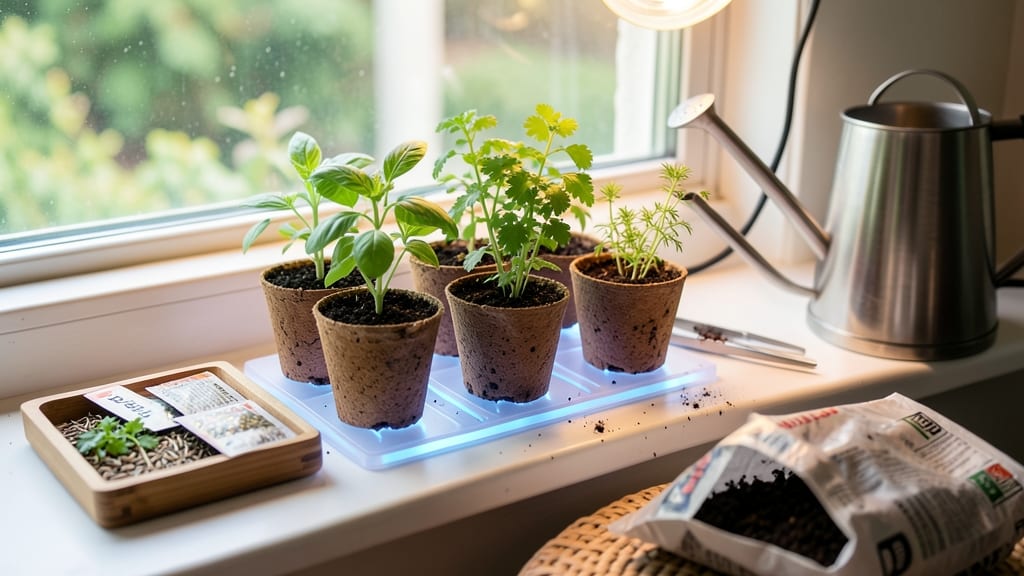
How to grow herbs from seeds in pots means fresh basil in 30 days—no nursery trips needed. 🌱 I’ve started parsley, mint, and cilantro from seed every spring, and the key is matching their tiny needs to your containers. Too much water? Drowning. Not enough light? Leggy disasters. But get it right, and you’ll harvest more than you’d buy in a grocery store.
The secret isn’t fancy soil—it’s drainage and sunlight. Use pots with holes, a mix of potting soil and perlite, and place them where they’ll get 6+ hours of direct sun daily.
Herbs like basil and cilantro germinate in 7-14 days if kept warm and moist, while parsley can take 2-3 weeks to show its first leaves. Patience is the hardest part.
By the time you’re pinching back leggy seedlings, you’ll be snipping fresh herbs for cooking. Basil stays productive for months if you harvest regularly, parsley self-seeds like a weed, and mint—well, mint takes over if you’re not careful. The payoff? A windowsill or balcony that smells like a Mediterranean kitchen.
Works for any sunny spot, from kitchen counters to patio tables. Here’s how to avoid the most common mistakes—like overwatering or crowding—and keep your herbs thriving all season.
📚 In This Guide
- What you need
- Instructions
- Tips and common mistakes
- Wrapping up and next steps
What you need
- ● Containers: 4–6-inch pots (or larger for bushier herbs like basil or thyme) with drainage holes. Pro tip: 💡 Use recycled containers (yogurt cups, tin cans) if you’re feeling eco-friendly!
- ● High-quality potting mix: Lightweight, well-draining soil (avoid garden soil—it compacts!). Look for a seed-starting mix or add perlite/vermiculite (20% by volume) to regular potting soil.
- ● Herb seeds: Choose fast-growing varieties like basil, parsley, cilantro, or chives. Pro tip: ✨ Buy organic, non-GMO seeds for the best flavor!
- ● Watering can or spray bottle: A gentle spray helps avoid disturbing seeds.
- ● Plant labels: Popsicle sticks or markers to track which herb is which.
- ● Grow lights: If natural light is limited (12–16 hours/day for seedlings).
- ● Fertilizer: A balanced, water-soluble fertilizer (diluted to half-strength) for faster growth.
- ● Mulch or pebbles: To retain moisture and deter pests.
- ● Humidity dome: A plastic bag or clear lid to keep seeds cozy until germination.
- ● Pruning shears: For harvesting and shaping plants as they grow.
Step-by-Step instructions for growing herbs from seeds in pots
Here’s how I turn tiny seeds into lush, fragrant herbs—no green thumb required.
🌱 Step 1: Choose the Right Containers and Prepare Soil
Select pots at least 6 inches deep with drainage holes—herbs hate soggy roots. I use 4-inch pots for single plants like basil or parsley, and larger 8-inch pots for bushier herbs like thyme or oregano. Fill each pot with high-quality seed-starting mix (never garden soil—it’s too dense). Moisten the mix until it feels like a damp sponge.
Tap the pot gently to settle the soil, then press down lightly with your fingers. The surface should be firm enough to hold seeds but still loose enough for tiny roots to push through. This prevents seeds from washing away when you water later. Real talk: I’ve seen seeds float right out of loose soil—don’t skip this step!
💧 Step 2: Plant Seeds at the Correct Depth and Water Gently
Check the seed packet for depth guidelines, but most herbs go ¼ inch deep. Use your finger to make a small hole, drop in 1-2 seeds (just in case one doesn’t sprout), and cover lightly with soil. Press down very gently—you’re not compacting, just securing the seeds.
Water with a spray bottle until the soil looks evenly moist but not soaked. Overwatering now can drown seeds before they germinate. Place the pots in a warm spot (around 70°F)—a sunny windowsill or under a grow light. You’ll see sprouts in 7-14 days, depending on the herb. Basil and parsley germinate fast; rosemary and thyme take longer.
☀️ Step 3: Provide Bright Light and Monitor Moisture
Once seedlings emerge, move them to the brightest spot you have—south-facing windows or under grow lights for 14-16 hours daily. Without enough light, seedlings stretch leggy and weak. You’ll know they’re happy when leaves are dark green and compact, not pale and spaced far apart.
Water when the top inch of soil feels dry—stick your finger in to check. Herbs like basil need consistent moisture, while rosemary and thyme prefer slightly drier soil. I water from the bottom (place pots in a tray of water for 10 minutes) to encourage deep roots and avoid fungal issues. Watch for wilting—it’s easier to fix early than wait until leaves crisp.
✂️ Step 4: Thin Seedlings and Fertilize Lightly
When seedlings have 2-3 true leaves (not the tiny first leaves), thin to the strongest one per pot. Snip the weaker stems at the base with scissors—don’t pull, or you’ll disturb roots. This gives your chosen plant room to grow without competition.
Wait 2 weeks after thinning before adding a balanced liquid fertilizer (half-strength). I use a fish emulsion every 4-6 weeks during the growing season. Too much fertilizer now burns tender roots. You’ll see new growth within 5-7 days—that’s your sign everything’s working!
🪴 Step 5: Harvest and Encourage Bushier Growth
Start harvesting basil and parsley when they reach 3-4 inches tall—pinch off the top sets of leaves to encourage bushier growth. For thyme and oregano, wait until they’re 4-6 inches tall before cutting. Always harvest in the morning after dew dries but before the heat of the day—flavor peaks then.
Rotate pots a quarter turn weekly so plants grow evenly toward the light. If herbs flower, snip the buds immediately—this redirects energy to leaf growth. With proper care, your pots will stay productive for months, and you’ll never need to buy fresh herbs again. Trust me, your kitchen (and dinner guests) will thank you.
Tips & tricks for perfect herb growth in pots
Your herb garden starts with these simple tricks that'll make all the difference between wilting disappointment and thriving success.
Soil Prep Secret: In Step 1, don't just moisten the seed-starting mix—give it a quick squeeze to test consistency. It should hold together when gently pressed but still crumble easily. I've learned the hard way that overly compacted soil suffocates roots while loose soil lets seeds wash away. For extra insurance, mix in a handful of perlite to improve drainage without compromising moisture retention.
Lighting Strategy: For Step 3's 14-16 hours of light, I recommend using a simple LED grow light on a timer instead of relying solely on windowsills. Place it just 6 inches above seedlings—they'll stretch toward it like little sun-worshippers. If using natural light, rotate pots weekly so all sides get even exposure. You'll notice leaves growing toward the light source if they're not getting enough.
Watering Wisdom: The 10-minute bottom-watering technique in Step 3 works wonders for preventing fungal issues. Fill a shallow tray with 1 inch of water and let pots soak up moisture through drainage holes. This method ensures roots get hydrated without soggy soil. I keep a small spray bottle nearby for occasional top-ups between waterings—just enough to keep the surface damp but not wet.
Harvesting Hack: When harvesting in Step 5, always use clean, sharp scissors to snip stems just above a leaf node. This encourages new growth from that point. For bushier basil, pinch off the top sets of leaves when plants reach 3-4 inches—you'll get more leaves overall than if you wait for them to flower. I harvest in the morning because that's when essential oils are at their peak concentration.
Pro Tips for Grow Herbs From Seeds In Pots
- Your herb garden starts with these simple tricks that'll make all the difference between wilting disappointment and thriving success.
- Soil Prep Secret: In Step 1, don't just moisten the seed-starting mix—give it a quick squeeze to test consistency.
- Lighting Strategy: For Step 3's 14-16 hours of light, I recommend using a simple LED grow light on a timer instead of relying solely on windowsills.
Frequently asked questions
Got questions about growing herbs from seeds in pots?
You’re not alone! Here are answers to the most common concerns—so you can grow confidently, even if you’re a beginner.
What’s the best time of year to start growing herbs from seeds?
For most herbs, spring is ideal—after the last frost—because warm soil and longer daylight help seedlings thrive. But basil and cilantro love heat, so you can start them indoors 6–8 weeks before the last frost. Hardy herbs like parsley and chives can even handle cooler temps, so they might tolerate early spring or late summer sowing.
How long does it take for herb seeds to germinate?
Germination times vary wildly! Fast growers like basil and dill sprout in 5–10 days, while stubborn seeds (think rosemary or thyme) can take 2–4 weeks. Keep soil consistently moist (not soggy!) and warm (70–85°F) to speed things up. Patience is key—some seeds just need more time!
Can I reuse pots from last year’s herbs?
Yes, but sterilize them first! Scrub pots with hot, soapy water and rinse well. For a deeper clean, soak in a 10% bleach solution (1 part bleach to 9 parts water) for 10 minutes, then rinse thoroughly. This kills lingering pests, fungi, or diseases that could harm your new seedlings.
Why are my herb seedlings wilting or turning yellow?
Wilting often means overwatering or poor drainage—herbs hate soggy roots! Yellow leaves? Check for underwatering, nutrient deficiencies, or too much sun. Start with well-draining soil, water only when the top inch feels dry, and place pots in bright, indirect light at first. If leaves curl, it might be stress from heat or transplant shock.
What’s the easiest herb to grow from seed for beginners?
Start with basil, cilantro, or parsley—they’re fast-growing, forgiving, and thrive in pots. Basil germinates quickly and loves warmth, while parsley is slow but reliable. Avoid rosemary or thyme first; they’re trickier and need more patience. Pro tip: Use seed-starting mix (not garden soil) for best results!
Wrapping up and next steps
Growing herbs from seeds in pots is a rewarding journey that brings fresh flavors and greenery right to your doorstep—literally! With the right sunlight, soil, and care, you’ll enjoy a thriving indoor garden in no time.
Whether you’re a beginner or a seasoned gardener, these simple steps make it easy to nurture your plants from tiny seeds to lush, aromatic herbs.
Ready to take the next step? Start small—pick one or two herbs to experiment with, and soon you’ll be harvesting fresh basil for pesto, mint for tea, or cilantro for tacos! 🌱✨ Happy growing!