
Landscaping
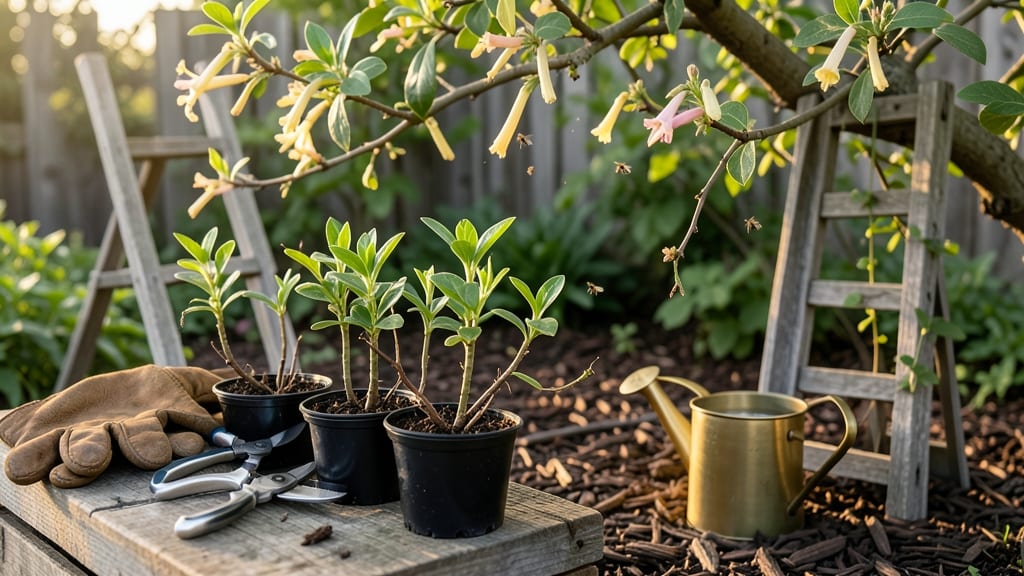
How to grow honeysuckle on a fence turns bare fences into fragrant, blooming masterpieces. 🌿 I planted mine last spring, and by summer, the fence became a living tapestry of golden blossoms that hummingbirds can't resist. The secret isn't complicated—just the right fence, proper planting, and a little patience.
Start with a sturdy fence made of wood, metal, or even chain-link—just avoid pressure-treated wood that can leach chemicals. You'll need well-draining soil (mix compost if yours is heavy), a sunny spot with at least 6 hours of light daily, and a few healthy honeysuckle plants or cuttings.
The vines attach naturally using tendrils, but you can gently tie them with soft twine at first to help them climb.
Water deeply after planting, then keep the soil moist but not soggy for the first 2 weeks. Once established, honeysuckle thrives on neglect—just occasional watering during dry spells.
By late summer, you'll have a fragrant, bird-attracting vine that blooms continuously until frost, all while saving space and adding vertical interest to your yard.
Fair warning: Honeysuckle grows fast—prune in early spring to shape it and remove dead growth. If pests like aphids appear, a strong spray of water usually does the trick. With minimal effort, you'll have a fence that's both functional and a showstopper.
📚 In This Guide
- What you need
- Instructions
- Tips and common mistakes
- Wrapping up and next steps
What you need
- ● Honeysuckle plants: 2–4 healthy vines (choose a variety like Lonicera periclymenum or Lonicera sempervirens for best climbing results).
- ● Fence: A sturdy, vertical fence (wood, metal, or trellis) with spaces at least 3–4 inches wide for vines to twine through.
- ● Potting soil: 1–2 bags of well-draining, organic potting mix (or garden soil amended with compost).
- ● Fertilizer: A balanced, slow-release granular fertilizer (10-10-10 ratio) or organic options like composted manure.
- ● Mulch: 2–3 inches of wood chips or straw to retain moisture and suppress weeds.
- ● Watering can or hose: With a gentle spray nozzle for even hydration.
- ● Gloves: Heavy-duty gardening gloves to protect your hands from thorns (some varieties have them!).
- ● Pruners: Sharp, bypass pruners for trimming and shaping vines.
- ○ Trellis or twine (optional): If your fence lacks gaps, use 1/4-inch twine or a lightweight trellis to guide vines upward.
- ● Sunlight: A location with full sun (6+ hours/day) or partial shade (4–6 hours)—honeysuckle thrives in both!
- ● Water access: A nearby water source or hose connection for regular watering.
- ● Support structure: Ensure your fence is secure and tall enough (at least 6 feet) to support mature vines.
- ● Patience: Honeysuckle grows 3–6 feet per year—give it time to climb and bloom!
Step-by-step instructions for growing honeysuckle on a fence
Here's how to transform your fence into a fragrant, flowering vertical garden that hummingbirds will adore.
🌱 Step 1: Select the Right Honeysuckle Variety for Your Climate
Not all honeysuckle thrives on fences—choose a twining vine variety like Japanese honeysuckle (Lonicera japonica) for warm climates or American honeysuckle (Lonicera sempervirens) for cooler zones. Both produce fragrant blooms and tolerate pruning, but Japanese varieties climb faster while American types offer more vibrant colors. Check your hardiness zone: most honeysuckle flourishes in zones 4-9, with Japanese types preferring zones 5-9.
I always opt for bare-root plants in early spring—they establish roots faster than container-grown specimens. If buying potted plants, look for 1-2 year old specimens with multiple canes (3-5 is ideal). Avoid plants with yellowing leaves or powdery mildew, as these signs indicate stress or disease that will spread once planted.
☀️ Step 2: Plant at the Base of the Fence for Maximum Support
Dig a hole twice as wide as the root ball but only as deep as the container's base—honeysuckle roots spread horizontally, not downward. Position the plant 6-12 inches from the fence, depending on your variety's vigor. Japanese honeysuckle can sprawl aggressively, so space it 12 inches away for better air circulation. American types tolerate closer planting at 6 inches.
Mix the removed soil with compost (about 1 part compost to 3 parts soil) to improve drainage and fertility. Gently loosen the roots if they're circling the container, then place the plant so the top of the root ball sits 1 inch below soil level. This encourages root growth upward toward the fence. Water deeply to settle the soil before backfilling.
💧 Step 3: Train Vines Early to Climb Properly
Honeysuckle doesn't cling like ivy—it twines around supports. Within 2-3 weeks of planting, you'll see new growth. Tie the main stem to the fence with soft twine or plant ties at 12-inch intervals, gently coiling the vine around the twine as it grows. Never use wire or tight ties, as they'll strangle the stem as it thickens. I like to use jute twine because it decomposes naturally and won't damage the bark.
Here's the thing—don't let vines grow longer than 12 inches before tying. Long, untied sections will flop and tangle, making future training a nightmare. You'll know you're doing it right when the vine naturally spirals around your hand as you guide it upward. Prune any side shoots that form at the base to encourage upward growth toward the fence.
✂️ Step 4: Prune Strategically for Dense Blooms
Prune honeysuckle twice yearly: once in late winter (just before new growth starts) and again after flowering in mid-summer. In late winter, cut back one-third of the oldest canes to the ground—this stimulates new growth from the base. For American honeysuckle, look for woody stems that no longer produce flowers; these are your candidates for removal. Japanese types can handle heavier pruning, so you can remove up to half of the oldest growth.
After flowering, trim back new growth by 50% to encourage bushier, more compact growth. You'll see where to cut: the strongest buds form where leaves meet the stem. Always prune just above a bud facing outward—this ensures new growth fills in gaps rather than growing inward where it blocks light. Wear gloves; honeysuckle sap can irritate skin.
🪴 Step 5: Maintain Soil and Water for Year-Round Growth
Honeysuckle establishes deep roots, so water deeply but infrequently—once weekly during the first growing season, then every 10-14 days once established. You'll know it's time to water when the top 2 inches of soil feel dry. Overwatering leads to root rot, which shows as yellowing leaves or mushy stems. Mulch with 2-3 inches of shredded bark around the base (but keep it 6 inches away from the stem) to retain moisture and suppress weeds.
Fertilize once in early spring with a balanced 10-10-10 formula—this gives the plant nutrients to fuel new growth. Avoid high-nitrogen fertilizers, which produce lush foliage but fewer flowers. If your honeysuckle produces sparse blooms, switch to a low-nitrogen, high-phosphorus fertilizer (like 5-10-10) in early summer. Watch for aphids or spider mites on new growth; treat with neem oil if you spot sticky residue or webbing.
Tips & tricks for perfect honeysuckle fence training
Transforming your fence into a fragrant honeysuckle haven takes patience, but these tricks will help you avoid common pitfalls and maximize those intoxicating summer blooms.
Soil Temperature Check: Don't just guess at 60°F soil temperatures—use a soil thermometer for accuracy, especially if you're planting in early spring. Cold, damp soil can delay root establishment, so wait until morning temperatures consistently reach that mark. I've seen honeysuckle struggle when planted too early in cooler climates, so this simple check prevents months of frustration. The roots need warmth to activate and begin spreading horizontally as intended.
Twine Tension Technique: When installing your 3/8-inch diameter twine, tie it loosely enough that you can easily slip a finger between the vine and the support. Too-tight ties restrict growth and can damage stems as they thicken. I use a simple "loop and pull" method: create a loose loop around the post, then gently pull the vine through before securing. This gives the vine room to grow while still providing guidance. Watch for new lateral branches—they'll need their own twine support once they're about 6 inches long.
Watering Depth Test: That 12-inch deep watering isn't just about volume—it's about reaching the root zone where honeysuckle establishes its deep network. Use a long screwdriver or soil probe to check moisture at the 4-inch level after watering. If it's dry, you're not watering deeply enough. I've found that using a soaker hose buried 2 inches deep gives more consistent results than surface watering, especially during the first growing season when roots are developing.
Pruning Visual Cues: When cutting back one-third of last year's growth in late winter, look for stems that are thinner than a pencil—they're the oldest growth and should be removed. Keep the thicker, more vigorous stems that show signs of new buds forming near the base. For established vines, I always prune any side shoots growing below the first set of leaves first—they're energy vampires that won't produce flowers anyway. This strategic pruning creates that lush, bushy appearance while maximizing bloom potential.
Pro Tips for Grow Honeysuckle On A Fence
- Transforming your fence into a fragrant honeysuckle haven takes patience, but these tricks will help you avoid common...
- Soil Temperature Check: Don't just guess at 60°F soil temperatures—use a soil thermometer for accuracy, especially if...
- Twine Tension Technique: When installing your 3/8-inch diameter twine, tie it loosely enough that you can easily slip...
Frequently asked questions
Got questions about growing honeysuckle on your fence?
You’re not alone! Here are answers to the most common concerns—from timing to troubleshooting—so you can enjoy fragrant blooms all summer long.
When is the best time to plant honeysuckle on a fence?
Plant honeysuckle in early spring (after the last frost) or fall (4-6 weeks before frost) for the best root establishment. Avoid planting in extreme heat or cold—vines need time to acclimate before summer’s intensity. If you’re in a mild climate, spring is ideal to kickstart vigorous growth.
Will honeysuckle attract bees or other pests?
Yes! Honeysuckle is a magnet for pollinators, including bees, butterflies, and hummingbirds—great for your garden’s ecosystem. While it’s beneficial for wildlife, it’s not invasive like some vines. Just avoid planting near hives if you’re sensitive to bees. Pests like aphids may visit, but they rarely cause serious damage.
How long does it take for honeysuckle to climb a fence?
Honeysuckle grows fast—up to 10 feet per year! With proper care, it can cover a 6-foot fence in 1-2 seasons. For quicker results, prune aggressively in early spring to encourage bushier growth. Patience pays off—just imagine that fragrant, twining beauty in no time!
Can I grow honeysuckle on a chain-link fence?
Honeysuckle’s twining habit works well on chain-link, though it may need extra support (like twine or trellis ties) to grip the mesh. For a neater look, weave the vines through the links as they grow. Just avoid planting near electrical wires—safety first!
Why isn’t my honeysuckle blooming?
Lack of blooms often means too much shade, over-fertilizing (especially with nitrogen), or poor pruning. Ensure your vine gets 6+ hours of sun daily and prune in late winter to remove dead wood. If it’s young, give it a year or two—patience is key!
What’s a good alternative if honeysuckle doesn’t thrive in my climate?
Try these low-maintenance, fragrant vines:
- Clematis – Thrives in partial shade, blooms in bursts.
- Jasmine – Fast-growing, sweet-scented, loves heat.
- Wisteria – Dramatic blooms but needs strong support.
- Morning Glory – Annual but fast-growing and colorful.
Wrapping up and next steps
Growing honeysuckle on your fence is a rewarding way to add fragrant beauty and natural charm to your outdoor space! With the right soil prep, support structure, and a little patience, you’ll enjoy vibrant blooms and lush vines all summer long. 🌿✨
Now that you’re armed with the know-how, why not plant your first vine this weekend? Start small—even a single trellis or section of fence can make a stunning difference. Watch your garden transform as those sweet-scented flowers climb and thrive, turning your fence into a living work of art!