
Trees
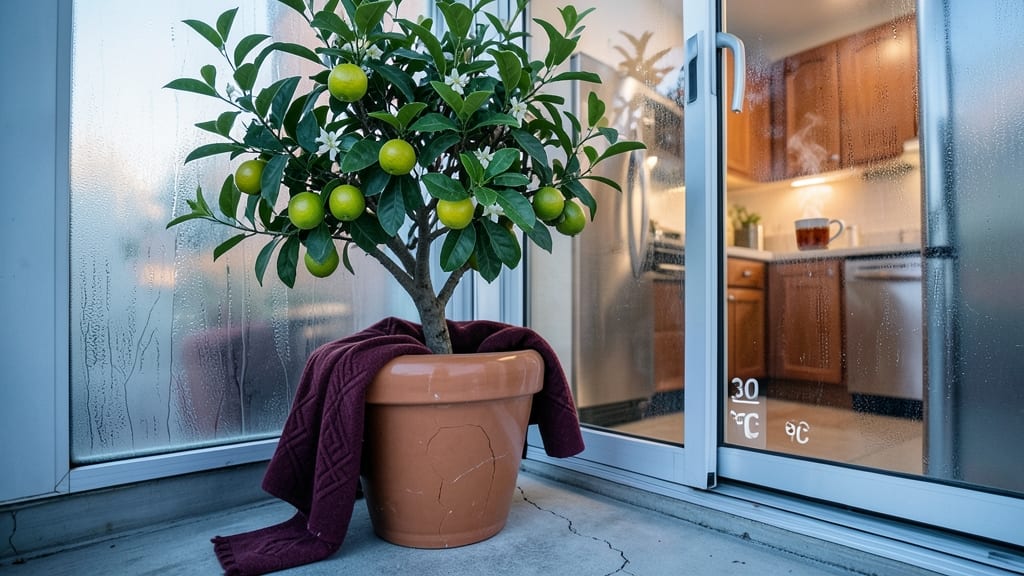
Dreaming of homegrown key limes but unsure where to start? These 10 proven methods will help you cultivate a thriving key lime tree—whether you're a container gardener, urban dweller, or backyard enthusiast—using expert techniques for optimal growth and fruit production.
Starting From Seeds Indoors
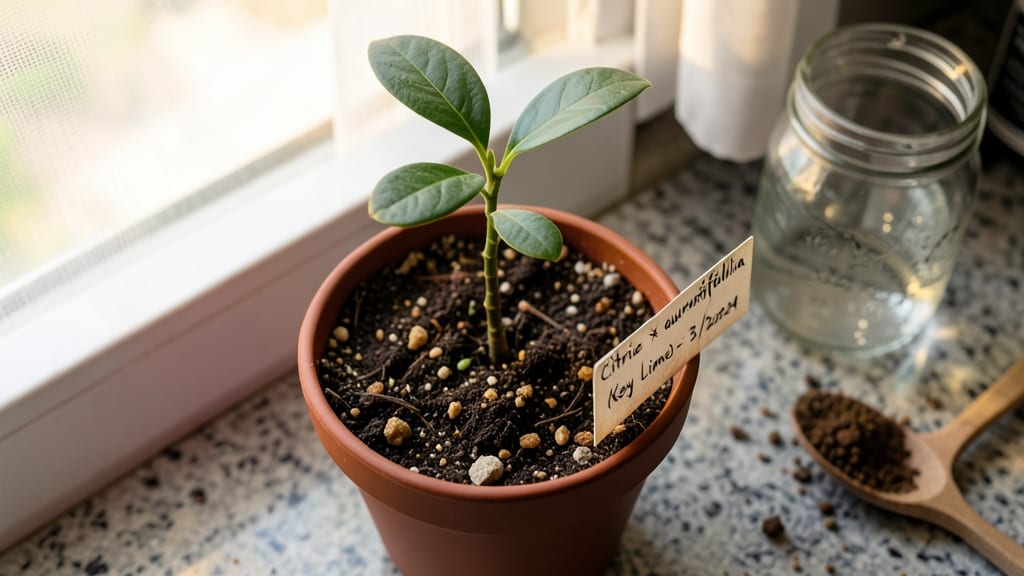
If you love the idea of growing your own key limes but want to save money and learn the art of citrus cultivation, starting from seeds indoors is the perfect path. This method rewards patience with genetic diversity and hands-on experience, though it requires a 6-12 month wait before you see fruit.
Begin by extracting seeds from fresh key limes (never grocery store seeds—they’re often treated to prevent sprouting). Plant them in a well-draining seed-starting mix, keeping the soil consistently moist under bright, indirect light (a sunny windowsill works). Once seedlings reach 3-4 inches, transplant them into individual pots with a citrus-specific potting mix. Prune leggy stems early to encourage bushier growth, and be prepared to move seedlings outdoors gradually once temperatures stay above 50°F.
This approach is ideal for beginners eager to understand the full citrus lifecycle or gardeners on a tight budget. The wait is worth it for the satisfaction of nurturing a tree from seed to fruit! 🌱
Grafted Key Lime Tree Purchase
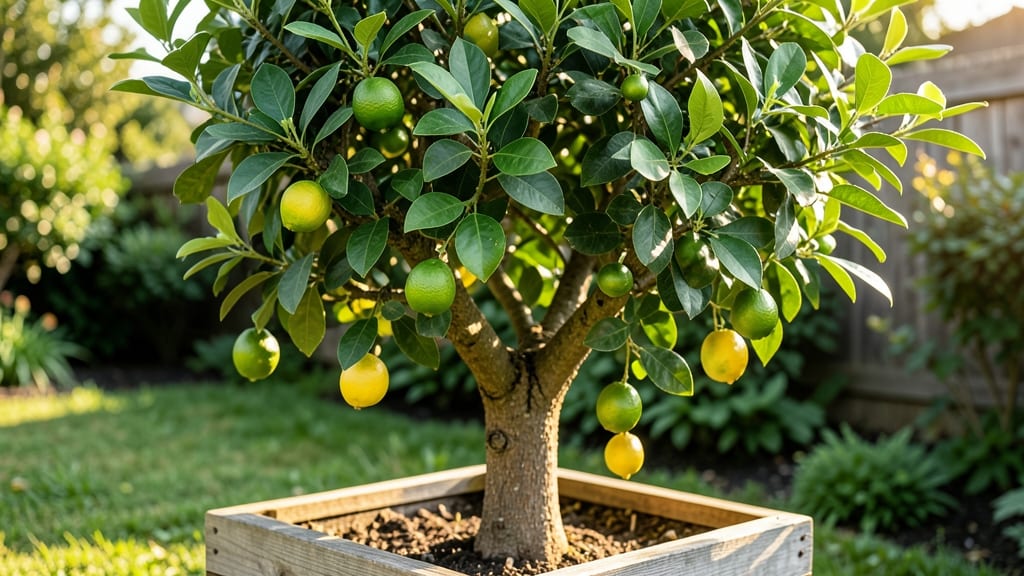
Skip the years of waiting—grafted key lime trees are the shortcut to fresh fruit, producing harvests in just 2-3 years instead of the 5+ years it takes from seed. This method combines the hardy roots of a hardy citrus rootstock with a high-yielding key lime scion, resulting in a tree that's both productive and resilient.
When you purchase a grafted tree, you're getting a head start with a disease-resistant plant that's already genetically optimized for fruit production. Look for trees labeled "grafted" from reputable nurseries, and plant them in well-draining soil with full sun exposure (6+ hours daily). These trees thrive in containers or ground plantings, making them versatile for any space. Just
This option is perfect for impatient gardeners or those with limited space who want to enjoy homegrown key limes without the long wait. 🌱
Container Growing for Small Spaces
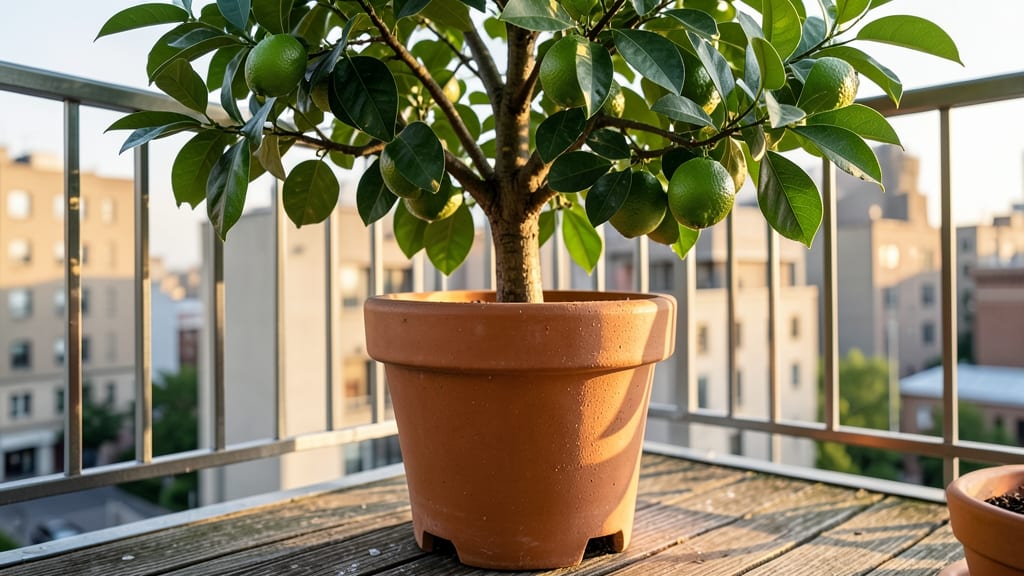
No backyard but still craving fresh key limes? Container growing transforms even the smallest balcony into a citrus paradise—no yard required! A 15+ gallon pot with drainage holes mimics ideal tropical conditions, letting urban gardeners grow this sun-loving tree just steps from their kitchen.
Choose a well-draining citrus mix (60% soil, 30% perlite, 10% compost) and place your pot in 6+ hours of direct sunlight daily. Water when the top inch of soil feels dry, and fertilize monthly with citrus-specific nutrients during spring and summer. The key is consistent moisture—key limes hate soggy roots but thrive with regular hydration.
This method works perfectly for renters, apartment dwellers, or anyone with limited space. You’ll enjoy homegrown limes for cocktails or baking without sacrificing your small footprint. 🌱
Outdoor Ground Planting in Warm Climates
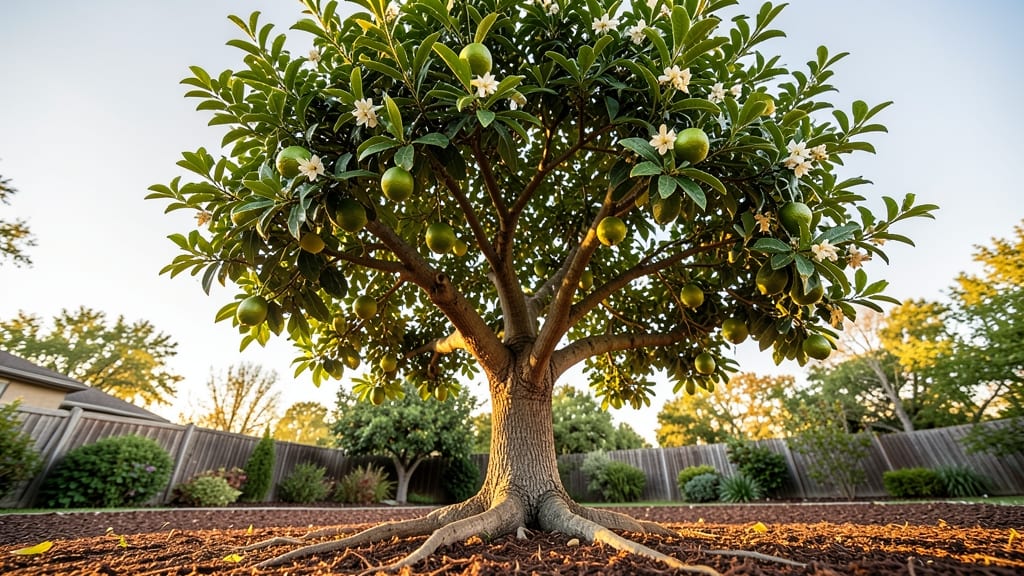
If you live in USDA Zones 9-11 and have a sunny backyard, you’re in the perfect spot to grow a key lime tree that will reward you with abundant fruit and lush foliage. Unlike container-grown trees, those planted directly in the ground develop stronger root systems, allowing them to grow taller and produce more fruit—sometimes up to hundreds of limes per season when conditions are ideal.
For best results, choose a location with full sun exposure (6-8 hours daily) and well-draining soil—key limes hate soggy roots. Amend heavy clay soil with compost or sand to improve drainage, and mulch around the base to retain moisture while keeping roots cool. Plant your tree in late winter or early spring to give it a full growing season to establish before summer heat arrives.
This method is ideal for gardeners with space and patience—your tree will thrive with minimal fuss, offering year-round greenery and a harvest that rivals commercial groves. 🌻
Hydroponic Key Lime Cultivation
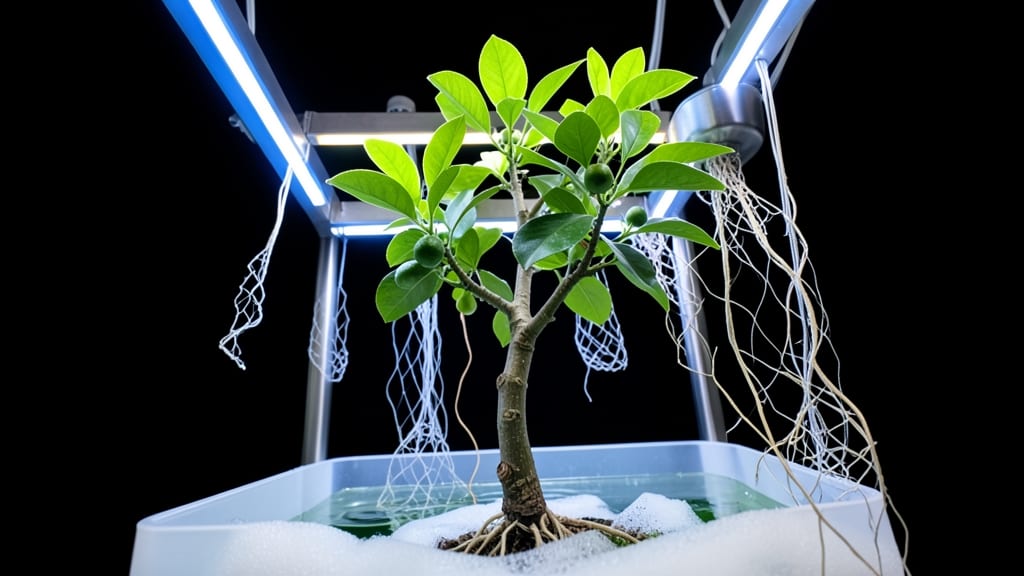
If you love tech-driven gardening, hydroponics offers a game-changing way to grow key lime trees—without the space or water waste of traditional soil methods. This method lets you cultivate citrus indoors year-round while using up to 90% less water than conventional growing.
Start with a grafted key lime cutting in a deep hydroponic bucket system filled with a balanced citrus nutrient solution (pH 5.5-6.5). Use LED grow lights for 12-14 hours daily to simulate full sun, and monitor nutrient levels weekly—citrus trees are sensitive to imbalances. Expect faster growth than soil-grown trees, with fruit appearing in 2-3 years if conditions are ideal.
This approach is perfect for urban gardeners with limited space or those who want to experiment with precision agriculture. Just be ready to commit to regular monitoring—hydroponic key limes reward tech-savvy growers with bountiful harvests in tight spaces. 💡
Pruning for Optimal Fruit Production
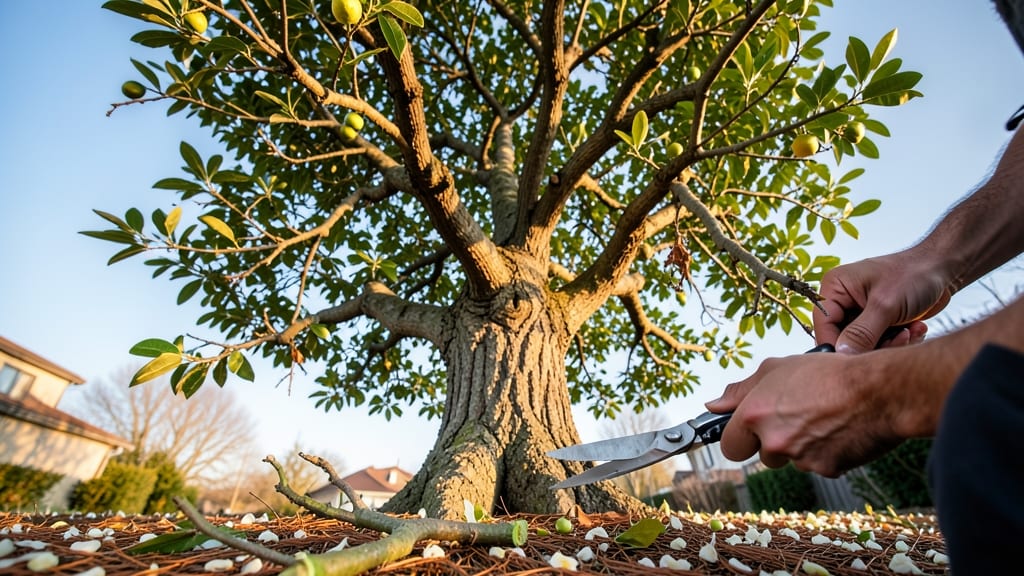
Want a key lime tree bursting with fruit? The secret lies in pruning—this simple technique shapes your tree, removes dead branches, and boosts flowering. Late winter is the ideal time to prune, giving your tree a fresh start before spring growth begins.
Start by removing any dead, diseased, or crossing branches—these compete for nutrients and block sunlight. Next, trim back overgrown limbs to open up the canopy, ensuring air circulates and sunlight reaches the center. For young trees, focus on shaping a balanced structure, while mature trees benefit from light pruning to maintain vigor. Always use sterilized pruning shears to prevent infections.
This method is perfect for both container and ground-grown key lime trees, ensuring healthier plants and more abundant harvests. A little pruning now means more limes later! 🌟
Fertilizing Key Lime Trees for Maximum Yield
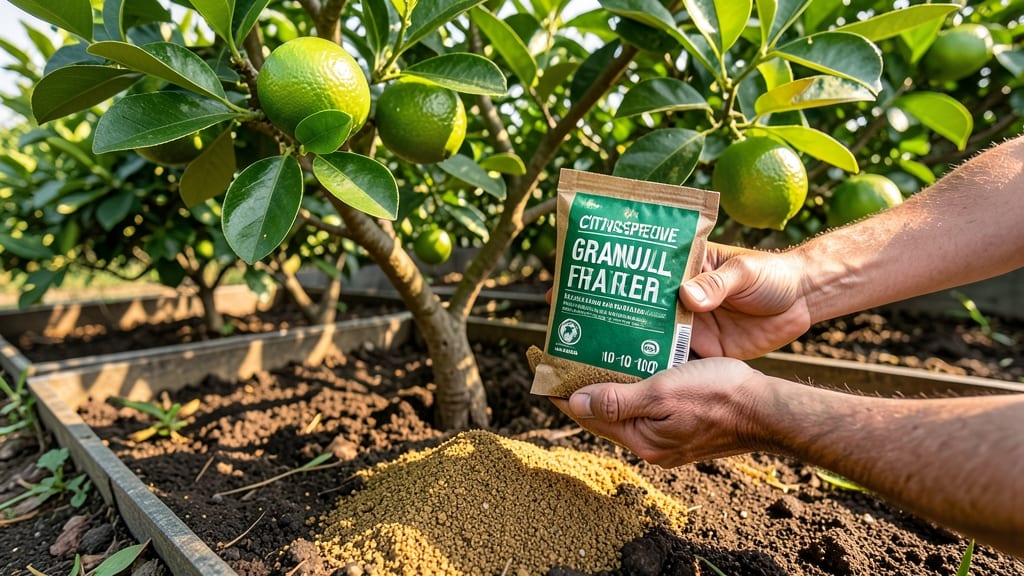
Want a bumper crop of juicy key limes? The secret isn’t just sunshine—it’s the right citrus-specific fertilizer packed with balanced nitrogen, phosphorus, and potassium (NPK). Unlike generic plant foods, these specialized blends address the unique needs of citrus trees, promoting both leafy growth and fruit development.
Apply a slow-release citrus fertilizer every 3-4 months during the growing season (spring through fall) to avoid overloading roots. For potted trees, use half the recommended dose to prevent salt buildup. Look for products with micronutrients like zinc and iron—common deficiencies in citrus can stunt growth or cause yellowing leaves. Water thoroughly after application to help nutrients penetrate the soil.
This feeding strategy is especially valuable for container growers and urban gardeners, where nutrient depletion happens faster. With consistent care, you’ll see stronger branches, more abundant blooms, and a harvest that rivals commercial groves. 🌻
Protecting Against Pests and Diseases
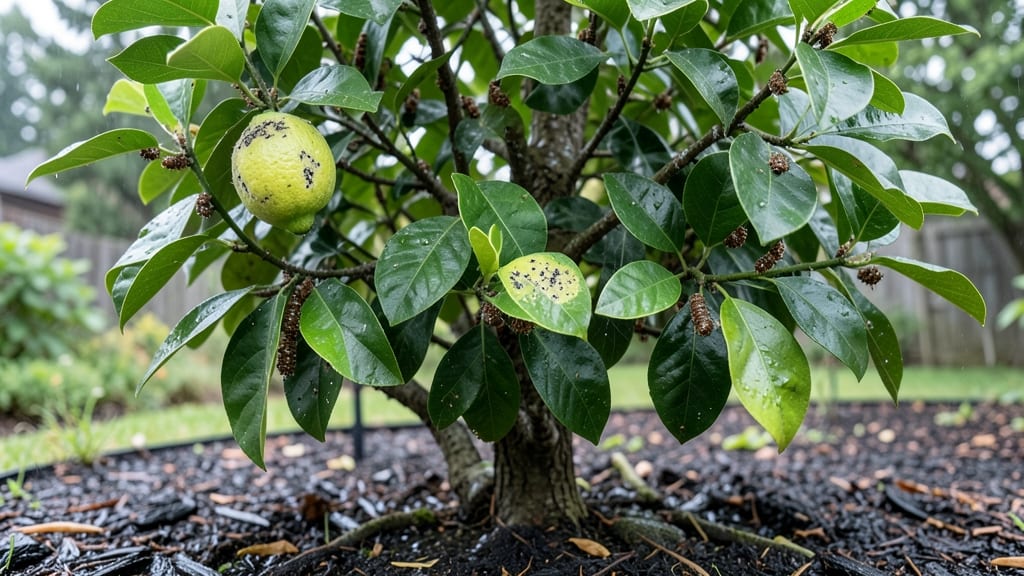
Aphids, scale insects, and fungal diseases are the sneaky saboteurs of your key lime tree's success—but they don’t stand a chance with the right prevention strategies. These pests and pathogens thrive in crowded, damp conditions, but with simple adjustments, you can keep your tree healthy and productive.
Start with a neem oil spray (1 teaspoon per quart of water) every 2-4 weeks during warm months to deter aphids and scale. For fungal issues like citrus greening or root rot, ensure your tree has proper air circulation by pruning dense branches and spacing plants 6-8 feet apart. Water at the base (not overhead) to avoid creating damp foliage that invites disease. These proactive steps create an environment where your tree can focus on growing fruit instead of fighting invaders.
Urban gardeners and container growers will especially appreciate these low-effort, high-impact techniques—no chemicals needed once you establish good habits. 🌿
Harvesting and Storing Key Limes
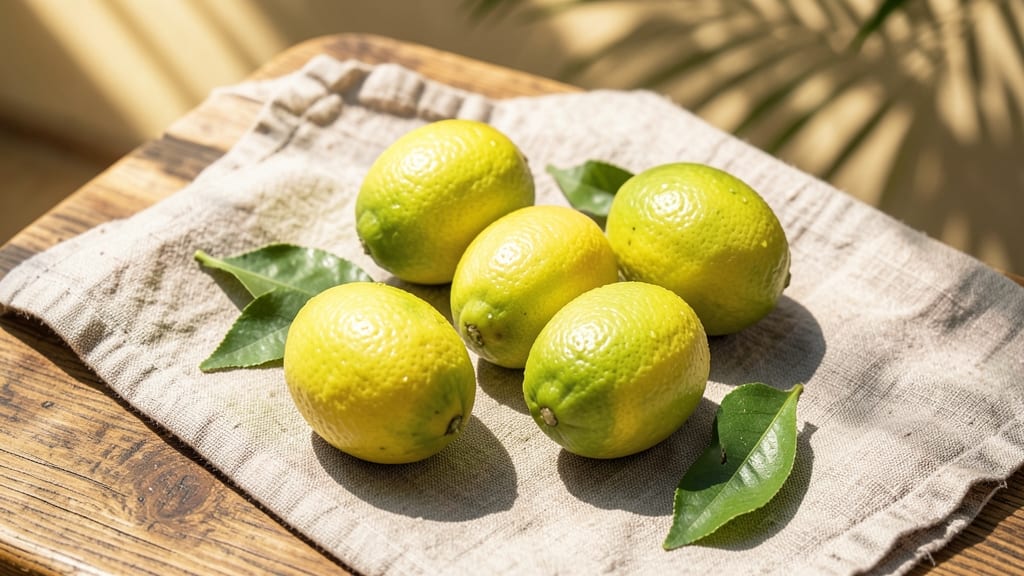
There’s nothing quite like the taste of a homegrown key lime, freshly picked and bursting with flavor. The secret to maximizing their sweetness and juiciness lies in knowing exactly when to harvest—and how to store them to keep that tropical goodness intact.
Pick your key limes when they turn a vibrant yellow and feel slightly soft to the touch (like a ripe avocado). This ensures peak ripeness and the best flavor. For immediate use, store them at room temperature for up to a week, but if you want to extend their shelf life, refrigerate them in a paper bag for up to two months. Avoid plastic bags to prevent moisture buildup, which can cause spoilage.
This storage trick is especially useful for home gardeners who want to enjoy their harvest over time or share the bounty with friends. Whether you’re making margaritas or baking key lime pie, proper storage keeps your fruit tasting fresh and vibrant. 🌟
Winter Care for Cold-Climate Growers

Cold winters can be brutal for tropical key lime trees, but with the right care, you can keep yours alive and thriving. Since these trees can't handle temperatures below 30°F, they need special protection—whether you're growing them in containers or in the ground.
For potted trees, move them indoors near a sunny window where they can get at least 6 hours of light daily. If you must leave them outside, wrap them in frost cloth or use a protective cover to shield them from freezing winds. Water sparingly during this time, as overwatering can stress the roots further.
This winter care routine is especially helpful for gardeners in USDA Zones 7 and below, ensuring your key lime tree survives to produce fruit next season. With a little extra attention, you'll be back to enjoying fresh key limes in no time! 🌿