
Size
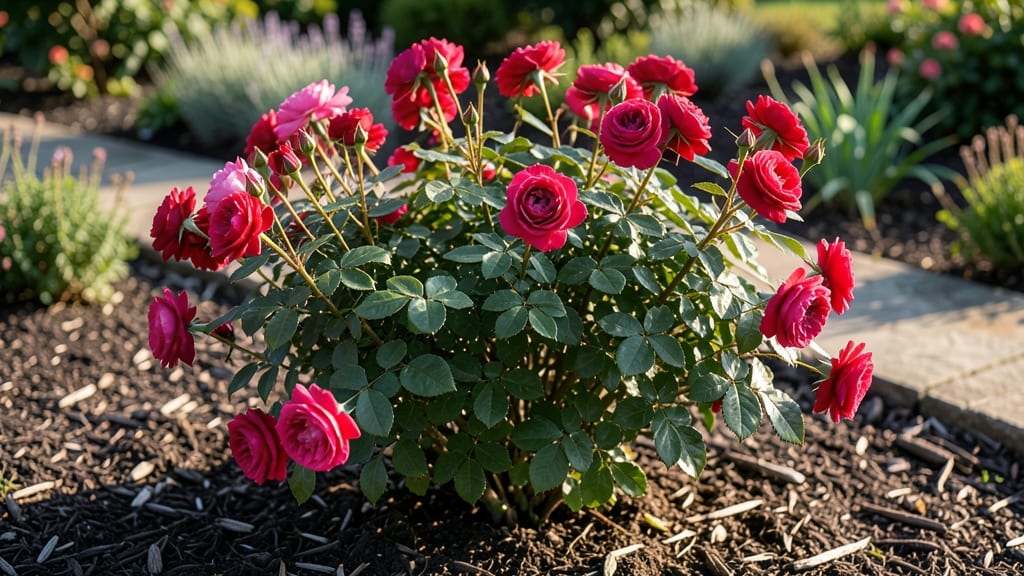
How to grow knockout rose bushes—that’s the magic I’ve been chasing for years. 🌹 These bushes thrive where others fail, turning my once-bare yard into a cloud of pink, red, and yellow flowers from spring until frost. The secret isn’t just luck; it’s sunlight, soil, and a few pruning tricks that keep them producing like machines. Start with full sun (6+ hours daily) and well-draining soil—amend heavy clay with compost to prevent soggy roots. Plant in early spring or fall, spacing bushes 3-4 feet apart to give them room to grow. Water deeply once a week (more in heatwaves) and mulch to lock in moisture—this keeps roots cool and roots happy. Pruning isn’t scary: cut back 1/3 of old wood in late winter and deadhead spent blooms all season. My bushes now burst with flowers without the fuss of traditional roses. The key? Consistency—feed with rose fertilizer in spring, and you’ll have blooms that last until winter’s first chill. Even in small spaces, these bushes deliver year-round color with minimal effort. Perfect for borders, containers, or that spot where nothing else thrives. Let’s get growing!
📚 In This Guide
- What you need
- Instructions
- Tips and common mistakes
- Wrapping up and next steps
What you need
- ● Knockout rose bushes: Choose disease-resistant varieties like Knock Out® Rose (red, pink, or yellow). Buy 1-3 plants per bush, depending on desired size.
- ● Well-draining potting mix or garden soil: 5-10 gallons per plant (or enough to fill a 15-gallon container). Mix in compost (1 part compost to 3 parts soil) for nutrients.
- ● Organic mulch: 2-3 inches of shredded bark, pine straw, or compost to retain moisture and suppress weeds.
- ● Balanced fertilizer: A 10-10-10 or 20-20-20 NPK formula (1 tbsp per plant) or slow-release rose-specific granules.
- ● Watering can or hose with a gentle spray nozzle: For deep, consistent watering (1-2 gallons per plant, 2-3 times per week).
- ● Garden gloves: Heavy-duty, long-cuffed gloves to protect from thorns.
- ● Pruning shears: Bypass pruners (sharp, clean, and disinfected) for trimming.
- ● Trowel or spade: For digging planting holes (12-18 inches deep and wide).
- ○ Stakes or rose cages: Optional but helpful for support (3-4 ft tall, 1 per bush).
- ● Measuring tape or ruler: To ensure proper spacing (3-4 ft apart for bushes, 4-5 ft for climbers).
- ● Sunlight: A full-sun location (6+ hours of direct sunlight daily). Partial shade (4-6 hours) works for cooler climates.
- ● Drainage: Avoid soggy soil—Knockout roses hate wet feet! Amend clay soil with sand or perlite if needed.
- ● Time commitment: 15-30 minutes daily for watering (first few weeks) and monthly pruning.
Step-by-Step instructions for growing Knockout rose bushes
Here's how to coax those vibrant blooms all season long—no fancy tricks, just proven techniques.
🌱 Step 1: Choose the Perfect Planting Spot
Knockout roses thrive in full sun—at least 6 hours daily. I always pick the sunniest, most open spot in my yard because these roses reward generous light with nonstop blooms. Avoid low areas where water pools, as soggy roots lead to rot. If your yard has partial shade, choose the variety labeled "Sunny Knock Out" for better tolerance.
Test the soil drainage by digging a 12-inch deep hole. If water sits longer than 2 hours, amend the soil with 1 part sand or perlite to 3 parts native soil. Knockout roses hate wet feet but love rich, well-draining soil. I like to work in a handful of compost too—just enough to improve texture without overwhelming the native soil.
🪴 Step 2: Plant at the Right Depth and Stake for Support
Dig a hole twice as wide as the root ball but no deeper. The top of the root ball should sit 1-2 inches above ground level—this prevents soil from settling and burying the graft union. I always check the graft union (the swollen area near the base) before planting to ensure it stays above soil.
Loosen the roots gently if they're circling the root ball. Place the rose in the hole, then backfill with native soil mixed with your compost. Water deeply to settle the soil, then add a 6-foot stake placed 3 inches from the main stem. Tie the stem loosely to the stake with soft plant ties—tight enough to hold but not to cut into the stem. This prevents wind damage while the roots establish.
☀️ Step 3: Water Deeply and Mulch for Retention
Water immediately after planting to eliminate air pockets around the roots. Give the soil a thorough soaking until water drains from the bottom of the hole. After that, water deeply 2-3 times weekly during the first growing season—enough to moisten 12 inches deep. You'll know it's right when the soil feels damp but not soggy at that depth.
Spread a 3-inch layer of mulch around the base, keeping it 2 inches away from the stem to prevent rot. I use shredded bark because it breaks down slowly and improves soil structure over time. Mulch helps retain moisture and regulates soil temperature, which is especially important during summer heatwaves.
✂️ Step 4: Prune for Shape and Encourage Blooms
Prune in early spring before new growth appears. Remove any dead, diseased, or crossing branches first—these compete with healthy growth. Then, cut back last year's growth by about one-third. Look for the strongest canes (the thickest, healthiest stems) and shape the bush by cutting just above an outward-facing bud.
Throughout the season, deadhead spent blooms by cutting back to the first set of healthy leaves below the flower. This encourages more blooms and keeps the bush looking tidy. I also remove any suckers that grow from the base—they drain energy from the main plant. Prune lightly in fall to clean up, but avoid heavy cuts that expose the plant to winter stress.
🌿 Step 5: Feed and Protect for Long-Term Health
Apply a balanced rose fertilizer (10-10-10) in early spring when new growth starts. Follow the package instructions, but I usually halve the recommended dose because Knockout roses are tough and don't need heavy feeding. Fertilize again in early summer, then again in late summer to support fall blooming. Avoid fertilizing in fall—it encourages tender new growth that won't survive winter.
Watch for pests like aphids or Japanese beetles. I spray with neem oil at the first sign of trouble—it's organic, effective, and won't harm pollinators. For disease prevention, space plants 3-4 feet apart to improve airflow. If you notice black spots or powdery mildew, remove affected leaves immediately and treat with a fungicide if needed. Healthy air circulation is your best defense.
Tips & tricks for perfect Knockout rose bushes
These simple secrets will help your Knockout roses thrive and bloom like crazy—no green thumb required!
Sunlight Strategy: That 6 hours of full sun is non-negotiable for Knockout roses. I've learned this the hard way—partial shade means fewer blooms and leggy growth. If your yard has afternoon shade, place your roses where they get morning sun and early afternoon light instead. Even just 1-2 hours less sun can reduce blooms by 30%.
Soil Test Tip: Before planting, do a quick drainage test in your chosen spot. Dig a 12-inch deep hole, fill it with water, and time how long it takes to drain. If it's still wet after 2 hours, you absolutely need to amend that soil—Knockout roses will sulk in soggy conditions. I always add a 1:3 ratio of sand/perlite to native soil to create perfect drainage.
Staking Secret: That 6-foot stake isn't just for show—it's crucial for windy areas or when planting in spring/fall when new growth is most vulnerable. I place mine 3 inches from the main stem and use soft plant ties that won't cut into the bark. Pro tip: Loosen the ties every few weeks as the stem grows to prevent girdling.
Pruning Precision: When you're cutting back last year's growth by one-third in Step 4, look for the strongest canes—the ones that are thickest and healthiest. Make your cuts just above an outward-facing bud (about 1/4 inch above) to encourage new growth in the right direction. This simple technique creates a fuller, bushier plant that blooms more abundantly.
Pro Tips for Grow Knockout Rose Bushes
- These simple secrets will help your Knockout roses thrive and bloom like crazy—no green thumb required!
- Sunlight Strategy: That 6 hours of full sun is non-negotiable for Knockout roses. I've learned this the hard way—part...
- Soil Test Tip: Before planting, do a quick drainage test in your chosen spot. Dig a 12-inch deep hole, fill it with w...
Frequently asked questions
Got questions about growing Knockout rose bushes? You’re not alone! Here are answers to the most common concerns—from pruning puzzles to pest problems—so you can grow lush, blooming bushes with confidence.
How often should I water Knockout roses?
Water deeply 1–2 times per week (more in extreme heat or dry spells). Aim for 1–1.5 inches of water per session to encourage deep root growth. Mulch around the base (2–3 inches) to retain moisture and protect roots. Avoid shallow, frequent watering—it leads to weak stems and disease.
When is the best time to prune Knockout roses?
Prune late winter or early spring (just before new growth starts) to shape the bush and remove dead wood. Light trimming can also happen in summer after blooms fade. Never prune in fall—it stimulates tender new growth that won’t survive winter. Use clean, sharp shears to avoid disease.
What pests or diseases should I watch for?
Knockout roses are disease-resistant, but watch for:
- Japanese beetles: Handpick or use neem oil.
- Spider mites: Spray with water on hot days or apply insecticidal soap.
- Black spot (rare): Remove infected leaves and improve airflow.
Can I grow Knockout roses in containers?
Yes! Choose a large container (at least 15–20 gallons) with drainage holes. Use a well-draining potting mix (add perlite or sand) and fertilize every 4–6 weeks. Container roses need more frequent watering and may bloom less than in-ground plants. Move pots to a sunny spot in winter if temps drop below 10°F.
Do Knockout roses need winter protection?
These hardy bushes (USDA Zones 4–9) handle cold well, but young plants or harsh winters (below -10°F) may need help. Mound mulch (4–6 inches) around the base in late fall. For extra safety, wrap the bush in burlap or use a frost blanket—just remove it in early spring to avoid rot.
Why aren’t my Knockout roses blooming?
Check these fixes:
- Sunlight: Ensure 6+ hours of full sun daily.
- Fertilizer: Use a rose-specific fertilizer (high in phosphorus) every 6–8 weeks.
- Pruning: Over-pruning or cutting into old wood can reduce blooms.
- Age: Young bushes (1–2 years) may take time to establish.
Wrapping up and next steps
Growing Knockout rose bushes is a rewarding journey that brings vibrant color and low-maintenance beauty to your garden year-round! 🌸 With the right sunlight, soil prep, and pruning techniques, you’ll enjoy lush blooms that thrive with minimal fuss.
Remember, consistency is key—whether it’s watering, fertilizing, or protecting against pests.
Now that you’re armed with the secrets, roll up your sleeves and get planting! Start with just one bush to build confidence, then expand your garden oasis as you master the art. Happy gardening—your future Knockout roses will thank you! 🌿✨