
Propagation
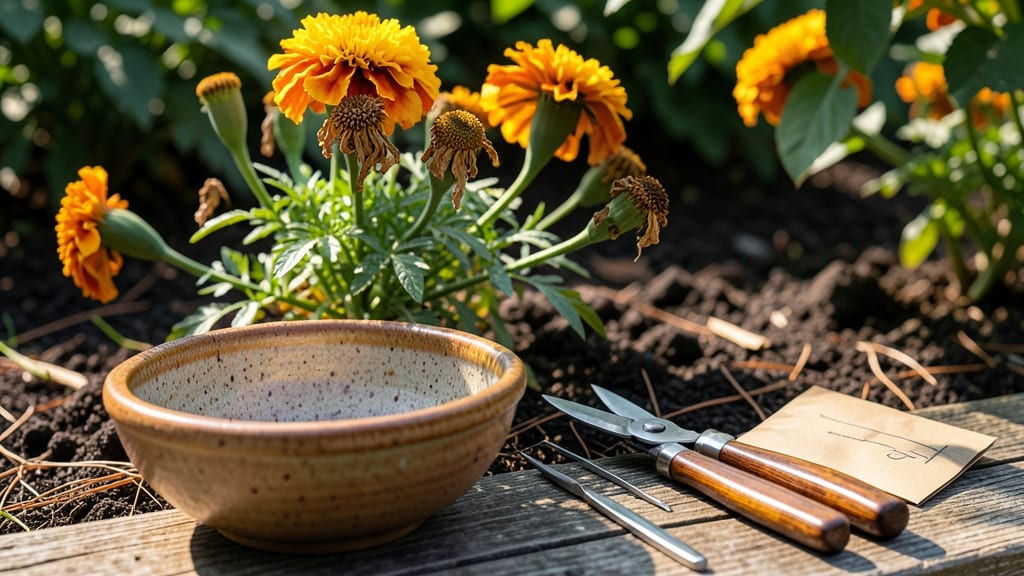
How to grow marigold from dried flowers—those papery petals hiding seeds can still birth new life. 🌱 I’ve turned last season’s faded blooms into thriving plants this way—no fancy tools, just patience and a few simple tricks. The process starts with seeds hidden inside those papery petals, waiting for the right conditions to wake up.
First, you’ll need dried marigold flowers (fully mature, browned heads work best), a bowl of warm water, tweezers, and small pots with seed-starting mix. The key is extracting those tiny seeds without damaging them—think of it like uncovering buried treasure.
Once you’ve got them, planting is straightforward: scatter them on damp soil, cover lightly, and wait.
Germination takes 7-21 days, depending on warmth and moisture. Thin seedlings to the strongest ones, and you’ll soon have little marigold greens reaching for the sun. The best part? These plants grow just like nursery-bought ones—maybe even better, since they’re adapted to your local climate.
This method works year-round if you have a sunny windowsill or grow light. Perfect for gardeners who love upcycling, saving money, or growing heirloom varieties. Just be patient—some seeds take longer to sprout, but the payoff is worth it.
📚 In This Guide
- What you need
- Instructions
- Tips and common mistakes
- Wrapping up and next steps
What you need
- ● Dried marigold flowers: Choose healthy, fully dried blooms (French or African marigolds work best). Aim for 3–5 flowers per attempt.
- ● Sharp scissors or pruning shears: For cleanly cutting stems (sterilize with rubbing alcohol if reusing).
- ● Clean glass or jar: A 16–20 oz mason jar (or similar) with a wide mouth for easy flower placement.
- ● Room-temperature water: Enough to submerge ½–⅔ of the flower stem.
- ○ Rooting hormone (optional but helpful): A gel or powder (like Clonex or honey as a DIY alternative) to boost root growth.
- ● Small pots or seed trays: 3–4 inch diameter pots with drainage holes, or a seed tray with 2–3 inch cells.
- ● Well-draining potting mix: A blend of 50% peat moss and 50% perlite or vermiculite (or a pre-mixed seed-starting mix).
- ● Plastic wrap or humidity dome: To create a mini greenhouse effect while roots develop.
- ● Grow lights or sunny windowsill: A south-facing window (6+ hours of sunlight) or a LED grow light (12–14 hours/day).
- ● Fertilizer: A balanced liquid fertilizer (10-10-10) diluted to ½ strength for young seedlings.
- ● Heating mat: Speeds up rooting in cooler climates (70–75°F ideal).
- ● Spray bottle: For gentle watering to avoid disturbing delicate roots.
- ● Label markers: To track propagation dates and varieties.
Step-by-step instructions for growing marigolds from dried flowers
Turn those dried marigold petals into new plants with this simple, rewarding method!
🌱 Step 1: Prepare Dried Petals for Germination
Start by carefully removing dried marigold petals from the flower head, ensuring they're completely dry but not brittle. Place them in a bowl of lukewarm water for 12-24 hours to rehydrate—this softens the petals and kickstarts germination. I like to use a shallow dish so the petals float freely.
After soaking, gently pat the petals dry with a paper towel. The goal is to keep them damp but not soggy, as excess moisture can cause rot. Store them in a sealed plastic bag with a damp paper towel inside for 3-5 days in a warm, dark place. Check daily—they should feel slightly moist but not dripping.
💧 Step 2: Plant Rehydrated Petals in Moist Soil
Fill a small container with well-draining potting mix (never garden soil—it’s too dense). Moisten it until damp but not wet, then create shallow ¼-inch-deep indentations about 1 inch apart. Place a rehydrated petal in each indentation, pressing lightly so it makes contact with the soil.
Cover the container with a clear plastic dome or plastic wrap to retain humidity and warmth. Place it in a spot with indirect light—a sunny windowsill with filtered light works best. Keep the soil consistently moist by misting lightly every 2-3 days until you see signs of growth, which can take 2-4 weeks.
☀️ Step 3: Provide Light and Monitor for Sprouts
Once the petals begin to sprout, remove the plastic cover immediately to prevent fungal growth. Move the container to a bright, sunny location with at least 6 hours of direct sunlight daily. You’ll know it’s working when tiny green shoots emerge from the petals—this is your cue to start watering from the base instead of misting.
Water gently when the top inch of soil feels dry, but avoid oversaturating. Weak, leggy sprouts mean the plant needs more light, so adjust its position if necessary. After 4-6 weeks, when seedlings reach 2-3 inches tall, transplant them into individual pots with fresh potting mix to encourage stronger root growth.
🌿 Step 4: Transplant and Care for Young Plants
Choose 4-inch pots for your seedlings, filling them with fresh potting mix. Dig a small hole, place the seedling in, and firm the soil gently around the base. Water thoroughly to settle the roots, then place the pots in a sunny spot with full sun exposure for at least 6 hours daily.
Fertilize lightly with a balanced liquid fertilizer (like 10-10-10) diluted to half strength every 4-6 weeks once the plants show true leaves. Pinch back the tips of the stems when they reach 6 inches tall to encourage bushier growth. With consistent care, your marigolds will bloom within 8-12 weeks!
Tips & tricks for perfect marigold regrowth
Here's what nobody tells you about turning dried marigolds into thriving new plants!
Petal Selection: Choose the freshest-looking dried petals for best results. Look for vibrant color and minimal brittleness—these indicate higher viability. I've found that petals from fully bloomed flowers (not buds) work best because they've already completed their natural drying process.
Soaking Secret: The 12-24 hour soak is crucial—don't rush this step! Use lukewarm water (not hot) to prevent damaging the delicate petal tissue. I like to add a drop of mild dish soap to the water to help break surface tension, which helps the petals absorb moisture more efficiently. This prepares them perfectly for germination.
Light Transition: When moving from indirect to direct light in Step 3, do this gradually over 3-4 days. Sudden exposure can shock the delicate sprouts. Start with 2 hours of direct sun, then increase by 1 hour each day until reaching the full 6 hours. This mimics natural sunlight conditions and prevents sunburn on your new seedlings.
Transplant Timing: The 4-6 week window for transplanting is your best chance for success. Wait until you see true leaves (not just the initial sprouts) to ensure strong root development. I always check the roots by gently tugging on the seedling—if they resist, they're ready for their new home in 4-inch pots.
Pro Tips for Grow Marigold From Dried Flowers
- Here's what nobody tells you about turning dried marigolds into thriving new plants!
- Petal Selection: Choose the freshest-looking dried petals for best results.
- Soaking Secret: The 12-24 hour soak is crucial—don't rush this step!
Frequently asked questions
Got questions about growing marigolds from dried flowers? You’re not alone! Here are some of the most common concerns—and their answers—to help you succeed.
Can I use any dried marigold flowers, or do they need to be fresh?
Ideally, fresh flowers work best for propagation, but dried ones can still sprout if they’re not overly brittle. Look for petals that still have some flexibility and haven’t turned to dust. If your dried flowers are crumbly, try soaking them in warm water for 10–15 minutes to rehydrate before planting.
How long does it take for dried marigold petals to sprout?
Patience is key! Sprouts typically appear in 2–4 weeks, depending on warmth, humidity, and light. Keep the soil consistently moist (but not soggy) and place your setup in bright, indirect light. If nothing emerges after 6 weeks, the petals may not have viable seeds—try again with fresher material.
What’s the best temperature for germinating marigold seeds from dried flowers?
Marigolds thrive in warmth, so aim for 70–85°F (21–29°C). If your home is cooler, place the tray on a seedling heat mat or near a sunny window. Avoid cold drafts, as they can slow or halt germination. A mini greenhouse (like a plastic bag with holes) can also help retain heat and humidity.
What if my dried petals rot instead of sprouting?
Overwatering or poor drainage is usually the culprit. If the petals turn mushy or develop mold, act fast: remove them, let the soil dry slightly, and repot in fresh, sterile potting mix. To prevent this, use a well-draining mix (like cactus soil) and water only when the top inch feels dry.
Can I grow marigolds from dried flowers indoors year-round?
Yes! With the right setup, you can propagate marigolds indoors anytime. Use a grow light (12–14 hours/day) if natural light is weak, and maintain consistent warmth. Just be prepared for slower growth in winter—supplement with a small heat source if needed. Once sprouted, transplant seedlings outdoors after the last frost for full sun.
Wrapping up and next steps
Growing marigolds from dried flowers is a rewarding way to breathe new life into old petals—no green thumb required!
With just a little patience and the right steps, you’ll soon be enjoying vibrant blooms that brighten your garden. Now that you’re armed with the know-how, why not try it? Grab those dried marigolds, follow the process, and watch your tiny seeds transform into cheerful plants. Happy growing—your future garden will thank you! 🌱✨