
Size
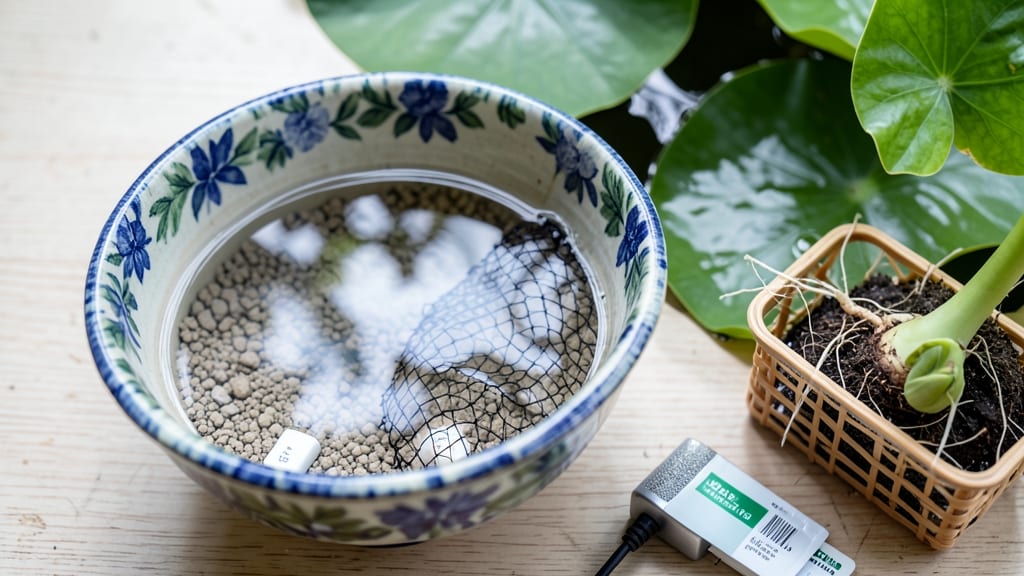
How to grow water lilies in a bowl indoors turns any sunny spot into a serene mini pond. 🌿 I’ve watched my 6-inch ceramic bowl transform from a simple container into a floating garden of delicate blooms—all year long. The secret isn’t complicated: it’s about matching the right plant to the right setup, and I’ll show you exactly how to do it without the hassle of outdoor ponds.
You’ll need a shallow bowl (at least 8 inches deep), filtered or dechlorinated water, and a spot with 6+ hours of bright light daily. Most beginners struggle with water quality—tap water can stress lilies, so I’ll share my foolproof method for keeping it clean and safe.
The right substrate (like aquarium gravel) and light balance are everything—no fancy equipment required.
By week 3, you’ll see the first pads unfurling, and within 6-8 weeks, those iconic blooms will open right on your windowsill. The maintenance is minimal: a weekly water change, gentle pruning of dead leaves, and occasional fertilizer drops.
Even my first attempt (which nearly drowned in stagnant water) taught me the key: circulation and consistency.
This works for hardy water lilies like Nymphaea 'Alba' or Nymphaea 'Helvola'—both thrive in bowls. Troubleshoot algae with a bit of barley straw or a small air pump, and watch your mini pond stay vibrant.
Perfect for small spaces, apartments, or anyone who wants pond magic without the backyard commitment.
📚 In This Guide
- What you need
- Instructions
- Tips and common mistakes
- Wrapping up and next steps
What you need
- ● Water lily plant: A hardy variety like Nymphaea 'Alba' (White Water Lily) or Nymphaea 'Helvola' (smaller, bowl-friendly). Check for healthy roots and leaves.
- ● Decorative bowl or container: At least 12–18 inches in diameter and 8–10 inches deep (glass, ceramic, or plastic with drainage holes).
- ● Pebbles or small gravel: 2–3 inches layer at the bottom for drainage and root support.
- ● Aquarium substrate: 2–3 inches of sand or specialized pond soil (sterilized to prevent mold).
- ● Dechlorinated water: Use room-temperature tap water (let it sit 24 hours) or filtered water. Avoid distilled water—it lacks minerals.
- ● Water lily fertilizer: Slow-release tabs (like Fish Empt) or liquid fertilizer (diluted to half-strength).
- ● Grow lights or sunny window: 6–8 hours of bright, indirect light daily (south or west-facing window works best).
- ● Small aquatic plants: Add Anubias or Java Fern for a lush, layered look.
- ● Decorative rocks or driftwood: Enhance aesthetics while keeping roots anchored.
- ● Air pump or small fountain: Improves oxygenation (critical if using tap water).
- ● Humidity tray: Place the bowl on a tray with pebbles and water to boost moisture levels.
- ● Thermometer: Keep water between 65–75°F (ideal for lilies).
Step-by-step instructions for growing water lilies in a bowl indoors
Here’s how to create a thriving mini aquatic display—no pond required.
🪴 Step 1: Select the Right Container and Water Source
Choose a wide, shallow bowl at least 12 inches in diameter to accommodate root growth and leaf spread. Glass or ceramic bowls work best because they’re nonporous and let you admire the roots. Avoid metal containers—they can leach chemicals and alter water chemistry.
Fill the bowl with dechlorinated water (use a water conditioner like Seachem Prime to remove chlorine and chloramine). Tap water left uncovered for 24 hours also works, as chlorine evaporates over time. Fill the bowl to within 2 inches of the rim—this gives the lily enough water depth for roots while preventing overflow when leaves touch the surface.
🌱 Step 2: Plant the Water Lily Tubers Correctly
Water lilies grow from tubers, which are thick, corm-like structures. Place the tuber half-buried in the soil—about 1 inch deep—with the top third exposed to water. Use aquatic planting soil or a mix of 50% potting soil and 50% perlite for drainage. Press gently but firmly to secure the tuber without compacting the soil too tightly.
I like to position the tuber centered in the bowl so roots can spread evenly. If using multiple tubers, space them at least 6 inches apart to avoid crowding. The roots will grow downward while the leaves float upward—this balance is key for healthy blooms.
☀️ Step 3: Position for Optimal Light and Temperature
Water lilies need 6-8 hours of direct sunlight daily to thrive indoors. Place your bowl near a south- or west-facing window where light is strongest. If natural light is insufficient, supplement with a grow light positioned 12-18 inches above the bowl for 12-14 hours per day. Too little light leads to weak stems and few blooms.
Keep the water temperature between 65-80°F—most indoor environments naturally fall within this range. If your home runs cooler, a small aquarium heater (set to 70°F) can help, especially in winter. Watch for yellowing leaves or stunted growth, which often signal temperature stress.
💧 Step 4: Maintain Water Quality and Fertility
Change 20% of the water weekly to prevent nutrient depletion and algae growth. Use a gravel or ceramic filter (like a small sponge filter) to keep debris out without disturbing the roots. Over time, the water will develop a slightly green tint—this is normal and indicates healthy microbial activity.
Feed your lily with liquid aquatic fertilizer (like Dyna-Gro Foliage Pro) every 2-4 weeks during active growth. Follow the label for dilution, but halve the dose—water lilies are sensitive to over-fertilization. You’ll know it’s working when leaves are deep green and glossy, and blooms appear vibrant and frequent.
✂️ Step 5: Prune and Encourage Continuous Blooms
Remove spent blooms and yellowing leaves by gently twisting them off at the base. This redirects the plant’s energy toward new growth and blooms. If leaves become too crowded, trim the oldest ones back to half their length—this improves airflow and reduces disease risk.
In late fall, when blooming slows, reduce fertilization and light exposure slightly. Water lilies enter a natural dormancy period in winter, so don’t prune aggressively—let the plant rest. Resume regular care in spring as new shoots emerge. With proper maintenance, your indoor water lily can bloom year-round with minimal effort.
Tips & tricks for perfect indoor water lily cultivation
Transforming your home into a serene aquatic haven starts with these essential insights—avoid common pitfalls and maximize your lilies' potential.
Container Selection Matters: While glass or ceramic bowls are ideal, you can also use non-reactive plastic containers if they're food-safe. The key is ensuring the material doesn't leach chemicals into the water. I've successfully used large, shallow glass cake stands that provide both aesthetic appeal and functionality. The bowl's diameter directly impacts your lily's growth potential—larger bowls accommodate more tubers and allow for better root development.
Lighting Strategy: Those 6-8 hours of direct sunlight are non-negotiable, but here's the secret: position your bowl where it gets morning sun and afternoon shade during summer months to prevent overheating. For grow lights, LED bulbs with a full spectrum (especially red and blue wavelengths) work best. I've found that placing the grow light on a timer set for 12 hours mimics natural daylight cycles perfectly. The slight green tint in the water after a few weeks? That's actually a good sign—it indicates healthy microbial activity supporting your plant's growth.
Temperature Management: Maintaining that 65-80°F range is crucial, but don't panic if your home fluctuates slightly. Water lilies are more forgiving than you might think. In winter, if your home drops below 65°F, that small aquarium heater set to 70°F becomes your best friend. Pro tip: Place your bowl near an interior wall where heat naturally radiates—this can help maintain consistent temperatures without additional equipment. Watch for those yellowing leaves as your early warning system for temperature stress.
Pruning Technique: When trimming leaves back to half their length, focus on the oldest leaves first—they've done their job and are now competing with new growth for nutrients. I like to use clean, sharp scissors sterilized with rubbing alcohol between cuts to prevent introducing pathogens. The key is to maintain that balance between removing spent growth and preserving enough foliage for photosynthesis. Think of it like giving your lily a fresh haircut—just enough to look good and feel comfortable.
Pro Tips for Grow Water Lilies In A Bowl Indoors
- Transforming your home into a serene aquatic haven starts with these essential insights—avoid common pitfalls and maximize your lilies' potential.
- Container Selection Matters: While glass or ceramic bowls are ideal, you can also use non-reactive plastic containers if they're food-safe.
- Lighting Strategy: Those 6-8 hours of direct sunlight are non-negotiable, but here's the secret: position your bowl where it gets morning sun and afternoon shade during summer months to prevent overheating.
Frequently asked questions
Can I grow water lilies indoors year-round in a bowl?
Yes! With the right setup—like a deep bowl (at least 6–8 inches), filtered water, and a grow light—you can enjoy blooms indoors 365 days. Just mimic their natural habitat: 10–12 hours of light daily and cool water (65–75°F). Tropical varieties thrive best, while hardy types may need a winter dormancy period (even indoors).
How long does it take for water lilies to bloom in a bowl?
Patience is key! Under ideal conditions, you might see first blooms in 6–12 weeks, but it can take longer (up to 4–6 months) for mature plants. Smaller bowls or cooler temps slow growth—upgrade to a larger container or use a heating pad if you’re eager for flowers. Pro tip: Start with tubers or rhizomes (not seeds) for faster results!
Why are my water lily leaves turning yellow or floating to the surface?
Yellowing leaves or floating foliage usually mean root stress. Check these fixes:
- Water quality: Change water weekly (or use a filter) to prevent algae and bacteria buildup.
- Depth: Ensure roots are fully submerged (use weights or a larger bowl).
- Light: Too much sun can scorch leaves—move to bright, indirect light.
- Nutrients: Add a liquid aquatic fertilizer monthly if leaves look pale.
What’s the best bowl material for indoor water lilies?
Choose non-toxic, breathable materials to avoid root rot or chemical leaks:
- Glass or ceramic bowls: Classic choice (6+ inches deep), but ensure no lead glaze.
- Plastic containers: Lightweight and affordable, but opt for food-grade, UV-resistant plastic.
- Avoid: Copper, untreated wood, or thin metal (can corrode and harm plants).
Can I grow water lilies in a bowl without sunlight?
Not ideal, but possible! Water lilies need light to bloom, so supplement with:
- A full-spectrum LED grow light (12–16 inches above the bowl, 10–12 hours/day).
- Place near a south-facing window (even indirect light helps).
What temperature should the water be for indoor water lilies?
Keep water cool but not cold—the sweet spot is 65–75°F (18–24°C). Most tropical varieties (like Nymphaea ‘Alba’) prefer the warmer end of the range, while hardy types tolerate 50–60°F (10–15°C) in winter. Use a small aquarium heater in chilly rooms or a cooling pad in hot climates.
Wrapping up and next steps
Growing water lilies in a bowl indoors isn’t just possible—it’s a rewarding way to bring nature’s beauty into your space! With the right container, water quality, and lighting, you’ll enjoy delicate blooms year-round. Start small, stay patient, and soon your mini pond will become a stunning centerpiece.
Ready to dive in? Pick your favorite variety and give it a try—your indoor oasis awaits! 🌸 For extra tips, check out our FAQ section or explore other indoor plant guides to expand your green thumb.