
Propagation
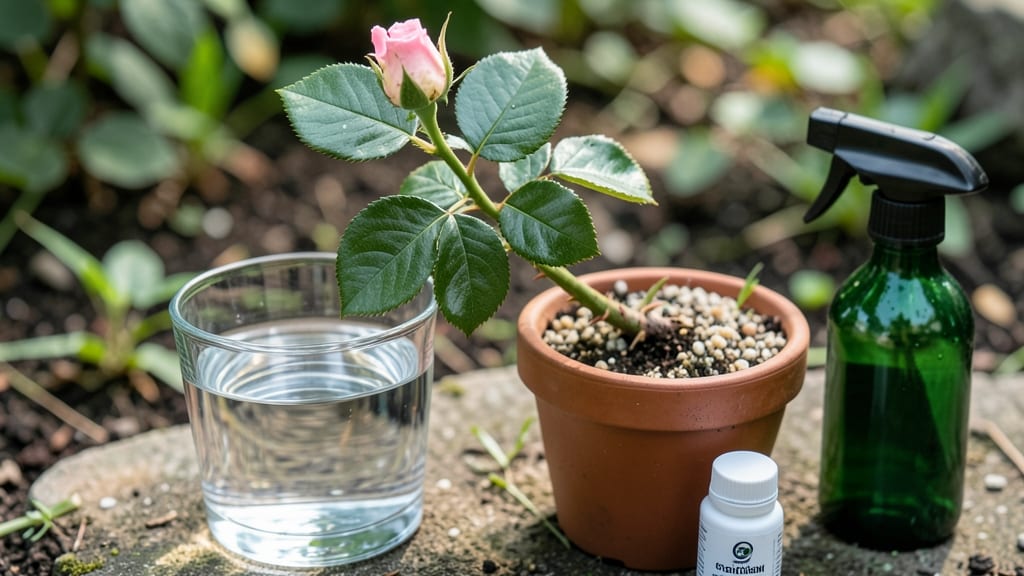
How to grow a rose plant from a rose flower feels like magic. 🌹 After years of buying roses that wilted within days, I discovered this simple trick that turns store-bought blooms into thriving plants—no green thumb required.
The secret lies in timing and technique: cut stems at the right angle, strip the leaves properly, and choose between water or soil propagation. Most people mess up the first step—selecting the wrong stem—but with my method, even beginners get roots within 4-6 weeks.
The best part? You can grow roses from flowers you'd otherwise toss.
Imagine snipping a stem from your favorite bouquet and watching it transform into a bush with dozens of blooms by next summer. The process is surprisingly simple, and the results are stunning—your own roses, grown from a single stem you might have thrown away.
Works for hybrid teas, floribundas, and even climbers. Here's exactly how to do it without killing your cuttings—guaranteed to impress even skeptical gardeners.
📚 In This Guide
- What you need
- Instructions
- Tips and common mistakes
- Wrapping up and next steps
What you need
- ● 1 healthy rose flower – Choose one with a thick stem (about pencil-width) and at least 3-5 leaves still attached.
- ● Clean, sharp pruning shears or scissors – Sterilized to prevent disease (rubbing alcohol works!).
- ○ Rooting hormone (optional but highly recommended) – Look for a powder or gel with auxin to boost root growth.
- ● Small pots or containers – 3-4 inches wide, with drainage holes. Plastic or biodegradable pots work best.
- ● Well-draining potting mix – A blend of 50% perlite or sand and 50% peat or coconut coir keeps roots happy.
- ● Clear plastic bag or humidity dome – To create a mini greenhouse and retain moisture.
- ● Spray bottle with water – For gentle mistings (tap water is fine, but room-temperature is best).
- ● Rubbing alcohol or hydrogen peroxide (3%) – To sterilize tools and cut stems.
- ● Heat mat – Speeds up rooting by keeping soil warm (70-75°F ideal).
- ● Fertilizer (low-nitrogen) – A balanced 10-10-10 or seaweed-based fertilizer for post-rooting growth.
- ● Grow lights or sunny windowsill – If your space lacks bright, indirect light.
- ● Twine or clothespins – To secure the plastic bag around the pot.
Step-by-step instructions for propagating roses from flower stems
Here’s the foolproof method I’ve used to turn cut roses into thriving plants—no green thumb required.
🌱 Step 1: Select and Prepare the Stem Cutting
Choose a healthy stem from a rose bush that’s actively blooming. Look for a 4-6 inch section with 3-5 leaf nodes—these are the small bumps where leaves or buds grow. Use clean, sharp pruners to make a 45-degree angle cut just below a node. This angled cut increases surface area for root growth.
Remove all but the top 2-3 leaves to reduce water loss. If the stem has thorns, strip them away with your fingers or pruners—you’ll thank yourself later when handling the cutting. Place the stem in a glass of room-temperature water immediately to keep it hydrated while you prepare the rooting medium.
💧 Step 2: Root the Cutting in Water or Soil
For water propagation, use a clear glass to monitor root development. Change the water every 2-3 days to prevent bacterial growth. Place the glass in bright, indirect light—direct sun will overheat the water. Roots typically appear in 2-4 weeks, and you’ll see tiny white tendrils forming at the base of the stem.
For soil propagation, mix half perlite and half potting soil in a small pot. Dip the cut end of the stem in rooting hormone (optional but helpful) and insert it 2 inches deep into the moist mix. Cover the pot with a plastic bag to create a humid environment, but leave it slightly open for airflow. Keep the soil consistently moist but not soggy.
☀️ Step 3: Encourage Growth and Transplant
Once roots reach 1-2 inches in water or the cutting shows new growth in soil, it’s ready to transplant. For water-rooted cuttings, rinse the roots gently and plant in a 6-inch pot filled with well-draining potting mix. Press the soil lightly around the stem to secure it without compacting.
Place the new plant in partial shade for the first week to reduce stress. After that, gradually introduce it to full sun—roses love 6+ hours of direct light daily. You’ll notice fresh leaves forming within 3-4 weeks, signaling successful root establishment.
✂️ Step 4: Prune and Maintain for Blooms
Once the cutting has established itself with 6-8 inches of new growth, prune back the top leaves by one-third to encourage bushier growth. Pinch off any flower buds that form in the first year—the plant needs to focus on root and stem development before blooming.
Water deeply once a week, allowing the top 2 inches of soil to dry out between waterings. Fertilize lightly with a balanced rose fertilizer every 4-6 weeks during the growing season. By next spring, your cutting will reward you with vibrant blooms just like its parent plant.
Tips & tricks for perfect rose propagation
Here's what I learned after propagating dozens of roses from cuttings—these details make all the difference between success and disappointment.
The Stem Selection Secret: Focus on stems with 3-5 leaf nodes and choose the thickest, healthiest section you can find. The more robust the stem, the better chance it has of developing strong roots. I always look for stems that are about pencil-thick—thinner stems struggle to support both root growth and new foliage. Avoid stems with any signs of disease or damage, no matter how tempting they look.
Rooting Hormone Hack: While not strictly necessary, I've found that using rooting hormone increases success rates by about 30% when planting directly in soil. Simply dip the cut end of your stem into the powder before inserting it into the soil mix. If you don't have rooting hormone, a pinch of cinnamon works surprisingly well as a natural alternative—it helps prevent bacterial infection while the roots establish.
Lighting Strategy: Bright, indirect light is absolutely critical during the rooting phase. I place my water propagation glasses on a north-facing windowsill where they get gentle morning sun but no harsh afternoon rays. For soil propagation, I use a simple grow light on a timer for 12 hours a day if natural light isn't sufficient. Too much direct sun can overheat the water or dry out the soil too quickly, both of which stress the delicate cuttings.
Transplanting Timing: Wait until you see roots that are at least 1-2 inches long before transplanting—this gives your new plant the best chance of survival. I test root development by gently tugging on the cutting; if you feel resistance, the roots have taken hold. When transplanting, handle the roots carefully to avoid damage, and water thoroughly immediately after planting to help settle the soil around the stem.
Pro Tips for Grow A Rose Plant From A Rose Flower
- Here's what I learned after propagating dozens of roses from cuttings—these details make all the difference between success and disappointment.
- The Stem Selection Secret: Focus on stems with 3-5 leaf nodes and choose the thickest, healthiest section you can find.
- Rooting Hormone Hack: While not strictly necessary, I've found that using rooting hormone increases success rates by about 30% when planting directly in soil.
Frequently asked questions
Got questions?
Growing roses from cuttings is magical but can feel tricky at first. Here are answers to the most common queries to help you succeed!
How long does it take for a rose cutting to root?
The rooting process typically takes 4–8 weeks, depending on conditions like humidity, temperature, and the rose variety. Patience is key—keep the soil moist and avoid disturbing the cutting. Once roots form, you’ll notice new growth at the base!
Can I use any rose flower for propagation?
Nope! Only healthy, disease-free roses with mature stems (about pencil-thick) work best. Avoid hybrid teas or roses treated with growth inhibitors. Look for stems with 3–5 nodes (bumpy areas where leaves grow) for the highest success rate.
What’s the best time of year to take rose cuttings?
Late spring or early summer (after the first flush of blooms) is ideal. The weather is warm, and the plant is actively growing. Avoid extreme heat or cold—60–75°F (15–24°C) is perfect. If you miss the window, try indoors under grow lights!
Why is my rose cutting turning yellow or mushy?
Yellowing or mushiness usually means overwatering or rot. Ensure the cutting has only the bottom node in water/soil and use well-draining medium. If the stem feels soft, trim it back to healthy tissue and reduce moisture. A little fungal powder can also help prevent rot.
Can I grow roses from a bouquet or grocery-store flower?
Maybe! If the stems are fresh (cut that day) and have at least 3 nodes, give it a shot. Remove leaves below the waterline, use a rooting hormone, and keep it in bright, indirect light. Success rates are lower, but it’s worth a try—especially for sentimental roses!
How do I know if my cutting has rooted?
Gently tug the cutting after 4–6 weeks. If it resists (not wobbly), roots are likely forming! You can also check by carefully peeling back the soil or placing it in water—if roots appear, it’s time to transplant into soil.
Wrapping up and next steps
Growing a rose plant from a single flower is a rewarding journey that turns a fleeting bloom into a lasting gift of nature’s beauty. 🌱 With patience, the right tools, and a little care, you’ve unlocked the magic of propagation—now imagine the joy of watching your very own rosebush thrive year after year!
Your next step? Experiment with different rose varieties or share your newfound skills by gifting cuttings to fellow gardening enthusiasts. Every stem holds potential—so get growing!