
Size
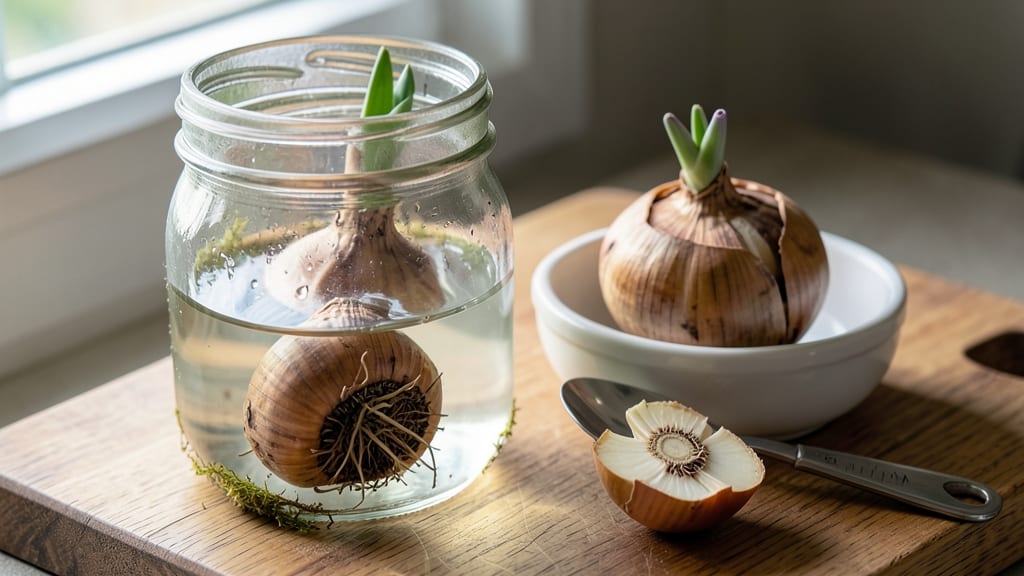
How to grow tulips indoors in water feels like magic—no soil, no mess, just vibrant blooms on your windowsill. 🌸 I’ve done this for years, and the secret isn’t complicated: pick the right bulbs, use fresh water, and let nature take over. By Valentine’s Day, you’ll have stems reaching toward the light, ready to burst into color. The best part? You only need three supplies: tulip bulbs (preferably forced varieties), a clear vase, and water. No fancy equipment—just what’s already in your home. Change the water weekly, and watch those roots grow like tiny green feathers before the first buds appear. Within 6-8 weeks, you’ll have blooms that rival spring gardens, all without dirt or a shovel. The scent alone makes it worth the wait, and you can even replant them outside later if you want. This method works for any sunny windowsill, and it’s perfect for beginners. No green thumb required—just patience and a little water. Let’s get those bulbs blooming!
📚 In This Guide
- What you need
- Instructions
- Tips and common mistakes
- Wrapping up and next steps
What you need
- ● Tulip bulbs: Choose healthy, firm bulbs (avoid soft or sprouted ones). Quantity: 1–5 bulbs (depending on your container size).
- ● Clear glass or vase: A wide-mouth jar or vase (6–12 inches tall) lets you monitor water levels and root growth. Size: At least 2–3 inches in diameter per bulb.
- ● Room-temperature water: Tap water is fine, but avoid distilled or softened water (it lacks minerals). Quantity: Enough to cover half the bulb (about 1–2 inches of water).
- ● Scissors or knife: For trimming stems (if needed) to fit your container.
- ● Pebbles or marbles: Place a layer at the bottom to keep bulbs elevated and prevent rot.
- ● Fertilizer: A water-soluble bulb fertilizer (diluted to half-strength) can boost growth. Use every 2–4 weeks.
- ● Decorative elements: Twine, ribbons, or a small mirror to enhance your display!
Step-by-Step instructions for growing tulips indoors in water
Skip the soil and watch tulips bloom indoors with this simple water-growing method.
🌱 Step 1: Select and Prepare Your Tulip Bulbs
Choose large, firm tulip bulbs with no soft spots or mold. Smaller bulbs yield smaller blooms, so pick the biggest ones available. I like to select bulbs labeled for forcing—these are bred specifically to bloom indoors. Soak the bulbs in lukewarm water for 12 hours before planting to encourage root growth.
After soaking, inspect each bulb for any signs of damage or disease. Discard any that feel mushy or have dark spots. Healthy bulbs should feel heavy for their size and have a papery, dry outer skin. Place them in a cool, dark spot (like a basement or refrigerator) for 8-12 weeks to simulate winter dormancy—this is the secret to strong stems and vibrant blooms.
🪴 Step 2: Set Up Your Water Vessel
Use a clear glass or vase with a narrow neck—this helps stabilize the bulb while allowing roots to grow downward. The container should hold at least 3-4 inches of water since tulips need plenty of moisture. Fill it with room-temperature water and add a few drops of bleach (1/4 teaspoon per quart) to prevent bacterial growth.
Place a few small pebbles or marbles in the bottom of the vase to create a stable base for the bulb. The bulb should sit above the waterline with only the base submerged—about 1/3 of the bulb's height. Change the water every 2-3 days to keep it fresh and oxygenated. You'll see tiny white roots emerge within 1-2 weeks.
☀️ Step 3: Position for Light and Encourage Growth
Once roots reach about 2 inches long, move the vase to a bright spot with indirect sunlight—a north or east-facing window works best. Direct sunlight can cause the leaves to yellow or scorch. Tulips grown in water need 12-14 hours of light daily, so supplement with a grow light if natural light is insufficient.
Keep the water level consistent—never let the bulb dry out or sit completely submerged. You'll notice a green shoot emerge from the top of the bulb after 4-6 weeks. This is your signal to increase light exposure gradually. Rotate the vase a quarter turn daily so the stem grows straight and doesn't lean toward the light.
💧 Step 4: Maintain Water and Watch for Blooms
As the stem grows taller, it will need more water—top off the vase as needed to keep the bulb submerged to its original level. You'll see the first true leaves appear after 6-8 weeks, followed by a flower bud forming at the top of the stem. This is the most critical phase—keep the water fresh and the environment stable.
When the bud is fully open, enjoy your bloom for 5-7 days. After the flower fades, you can either remove the stem or let it go dormant again in a cool, dark place for another round of blooms. The key is consistency—tulips grown in water are delicate but reward patience with stunning indoor color.
Tips & tricks for perfect indoor water-grown tulips
Here's what nobody tells you about growing tulips indoors without soil—these tricks make all the difference between a floppy stem and a showstopping bloom.
Bulb Selection Matters: The 12-hour soak in Step 1 isn't just optional—it's critical for kickstarting root growth. I've found that bulbs labeled "forcing" (specifically bred for indoor growth) produce stems that are 20% taller than regular garden bulbs. Look for bulbs that feel dense and heavy for their size; lightweight ones often have hollow centers and won't grow well.
Root Growth Secret: In Step 2, when you see those first white roots after 1-2 weeks, resist the urge to move them to light immediately. Let roots reach at least 2 inches before exposing to light—this gives them the strength to support a tall stem. I've seen stems collapse when moved too soon because the roots weren't developed enough to anchor them.
Light Management: The 12-14 hours of light in Step 3 is a sweet spot, but here's the catch: if your tulips start leaning toward the light, you're giving them too much direct exposure. Rotate the vase daily as instructed, but also consider adding a small reflector board (like aluminum foil) behind the vase to bounce light evenly. This prevents that classic "drunk tulip" look where stems grow at crazy angles.
Water Chemistry: That 1/4 teaspoon of bleach per quart in Step 2 isn't just for cleanliness—it prevents bacterial buildup that can rot your roots. After about 3 weeks, you can reduce this to every 5-7 days instead of every 2-3 days, but never skip it completely. Cloudy water means it's time to refresh, even if you just changed it!
Pro Tips for Grow Tulips Indoors In Water
- Here's what nobody tells you about growing tulips indoors without soil—these tricks make all the difference between a...
- Bulb Selection Matters: The 12-hour soak in Step 1 isn't just optional—it's critical for kickstarting root growth. I'...
- Root Growth Secret: In Step 2, when you see those first white roots after 1-2 weeks, resist the urge to move them to ...
Frequently asked questions
Got questions about growing tulips in water? You’re not alone! Here are some of the most common queries—and their simple solutions—to help you succeed with your indoor tulip garden.
Can I reuse the same water for multiple tulips?
It’s best to change the water every 2–3 days to prevent bacterial growth and keep your tulips fresh. If you’re reusing a vase, rinse it thoroughly with mild soap and water before adding fresh stems. Stale water can cause wilting or even rot—so stay consistent!
How long does it take for tulips to bloom indoors?
With proper care, most tulips will sprout roots in 3–5 days and bloom in 4–6 weeks. However, timing depends on the variety—some may take longer. Patience is key! If your tulips aren’t blooming, check their water levels and light exposure (they need at least 6 hours of sunlight daily).
What if my tulip leaves turn yellow?
Yellowing leaves are often a sign of overwatering or nutrient depletion. Ensure your tulips get fresh water every 2–3 days and place them near a sunny window. If the yellowing spreads to the stems, it might indicate rot—trim the affected parts and refresh the water immediately.
Can I grow tulips from grocery store bulbs?
Store-bought tulips (like those in bouquets) can regrow if you cut the stems just above a leaf node and place them in water. Choose bulbs with firm, healthy stems and avoid ones treated with preservatives. With the right care, they’ll sprout roots and even rebloom!
Do tulips need fertilizer in water?
While tulips can thrive in plain water, adding a dash of sugar (1 tsp per liter) or a water-soluble bulb fertilizer can boost growth. Avoid overdoing it—too much fertilizer can harm the stems. If you skip fertilizer, just ensure your water stays clean and fresh for best results.
Wrapping up and next steps
Growing tulips indoors in water is a simple, rewarding way to enjoy vibrant blooms year-round without the fuss of soil or a garden! 🌸 With just a few bulbs, clean water, and a sunny windowsill, you’ve got everything you need to create a stunning indoor display.
Whether you’re a beginner or a seasoned plant lover, this method proves that beauty—and blooms—don’t require green thumbs.
Now that you’re armed with the know-how, why not take the next step? Experiment with different bulb varieties, try forcing tulips for the holidays, or even expand your indoor garden with other water-loving plants like hyacinths or daffodils. Your windowsill (and future bouquets) will thank you! 💡