
Size
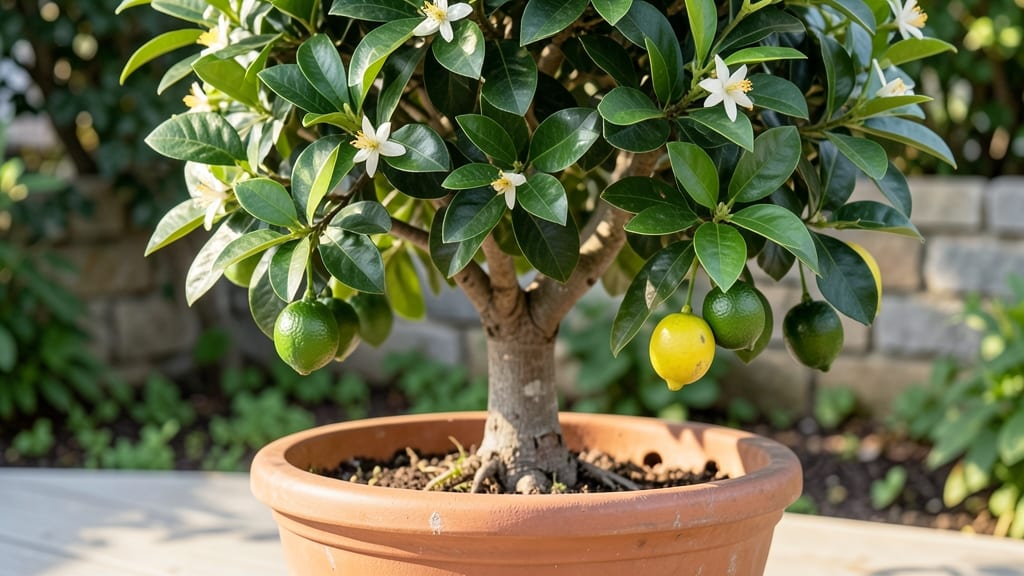
How to grow a Mexican lime tree from seed means tangy, homegrown fruit in just two years. 🌱 I’ve watched mine go from a tiny seedling to a bush bursting with bright green leaves—and now, tiny limes the size of marbles. The key? Mimicking its tropical roots, even if you’re not in a warm climate.
This tree thrives in well-draining soil and full sun, but it’s surprisingly adaptable. Start it in a pot if frost is a risk—Mexican limes can’t handle temps below 32°F.
Water when the top inch of soil feels dry, but avoid soggy roots, which rot easily. A 5-gallon container works for young trees, but they’ll outgrow it fast.
By summer, you’ll see those signature glossy leaves and delicate white flowers. Prune lightly to shape it, but don’t overdo it—too much cutting delays fruit production. The first harvest? Tiny, tart limes that taste like sunshine. Perfect for tequila, key lime pie, or just snacking straight off the tree.
Even in colder zones, this tree can live indoors near a sunny window—just expect slower growth. The real magic happens when you taste that first lime, plucked from your own plant. Here’s how to keep it thriving year-round.
📚 In This Guide
- What you need
- Instructions
- Tips and common mistakes
- Wrapping up and next steps
What you need
- ● Mexican lime seeds: 3–5 fresh, viable seeds (harvested from ripe fruit). Pro tip: 💡 Soak seeds in warm water for 24 hours to speed up germination!
- ● Well-draining potting mix: 2–3 gallons of a blend like cactus/succulent mix (60%) + perlite/vermiculite (40%) for optimal drainage.
- ○ Pot: 1–2 gallon container with drainage holes (or a nursery pot for seedlings). Optional: 🌡️ A grow bag for easier transplanting later.
- ● Grow lights or sunny window: A full-spectrum LED grow light (12–16 hrs/day) or a south-facing window (6+ hours of sunlight).
- ● Fertilizer: Citrus-specific fertilizer (e.g., 6-6-6 NPK) or a balanced organic option like fish emulsion.
- ● Spray bottle: For misting seedlings (keep humidity high!).
- ● Pruning shears: Small, sharp pair for trimming as the tree grows.
- ● Humidity dome or plastic wrap to retain moisture.
- ● Soil moisture meter to avoid over/under-watering.
- ● Mulch (e.g., pine bark) for mature trees.
- ● Pest control: Neem oil or insecticidal soap (for aphids/spider mites).
Step-by-Step instructions for growing a Mexican lime tree
Here's how to nurture your Mexican lime tree from a single seed to a thriving fruit producer.
🌱 Step 1: Start Seeds Indoors for Strong Germination
Mexican lime seeds need warmth to sprout, so begin indoors 6-8 weeks before your last frost date. Fill a small pot with sterile seed-starting mix (not garden soil) and plant 1-2 seeds per pot just below the surface—about ¼ inch deep. Gently press the soil to secure them without compacting.
Cover the pot with plastic wrap or a humidity dome to retain moisture and warmth. Place it in a warm spot (75-85°F) like on top of your fridge or near a sunny window. Keep the soil consistently moist but never soggy—water only when the top inch feels dry to the touch. Germination can take 2-4 weeks, so patience is key.
☀️ Step 2: Provide Bright Light and Gradual Outdoor Transition
Once seedlings emerge, remove the plastic cover immediately to prevent mold. Move them to a south-facing window or under grow lights for 14-16 hours of light daily. Without enough light, seedlings stretch leggy and weak—you’ll know they’re getting enough when they stand upright with dark green leaves.
After 4-6 weeks of indoor growth, start hardening them off. Place the seedlings outside in a shaded, sheltered spot for 1-2 hours the first day, gradually increasing their time outdoors over 10-14 days. This prepares them for the garden without shock. Watch for any yellowing leaves—this signals too much sun too soon.
🪴 Step 3: Plant Outdoors in Well-Draining Soil
Choose a sunny location with 6+ hours of direct sun daily—Mexican lime trees thrive in full sun but tolerate partial shade in hot climates. Dig a hole twice as wide as the root ball but no deeper. Mix the removed soil with compost to improve drainage, as lime trees hate soggy roots.
Gently remove the seedling from its pot and place it in the hole, ensuring the top of the root ball sits 1 inch below soil level. Backfill with the amended soil and water deeply to settle everything. Mulch around the base with 2-3 inches of organic mulch to retain moisture and regulate soil temperature.
💧 Step 4: Water Deeply and Fertilize for Fruit Production
Water your Mexican lime tree deeply once a week, allowing the top 4-6 inches of soil to dry out between waterings. Overwatering causes root rot, so check moisture by sticking your finger into the soil—if it’s dry, it’s time to water. In hot climates, you may need to water every 3-4 days instead.
Start fertilizing 3 months after planting with a balanced citrus fertilizer (10-10-10 or similar). Apply it every 4-6 weeks during the growing season (spring through fall). You’ll notice stronger growth and thicker foliage within a few feedings—this sets the stage for fruit production.
✂️ Step 5: Prune and Protect for Long-Term Fruitfulness
Prune your Mexican lime tree in late winter or early spring before new growth begins. Remove any dead, diseased, or crossing branches with clean, sharp pruners, cutting just above a leaf node. This encourages a fuller shape and better airflow, reducing disease risk.
Protect young trees from frost and strong winds, as they’re sensitive in their first few years. If you live in a cold climate, grow your lime tree in a large container so you can move it indoors during winter. With proper care, you’ll see first fruits in 3-5 years—small, aromatic limes that are sweeter than grocery store varieties.
Tips & tricks for perfect Mexican lime tree growth
Here's what nobody tells you—these little details make all the difference between a struggling seedling and a thriving citrus tree.
Warmth is Non-Negotiable: That 75-85°F temperature range in Step 1 isn't just a suggestion—it's critical for germination. If your home stays cooler than 70°F, consider using a seedling heat mat ($10 at garden centers) or placing your pots on top of your fridge. I learned this the hard way after waiting 6 weeks for seeds that never sprouted—turns out my basement was too chilly!
Lighting Hacks for Small Spaces: Don't have a south-facing window? No problem. A simple LED grow light (like the 24W full-spectrum bulb from Amazon) hung 6-12 inches above your seedlings gives them the 14-16 hours of light they need daily. I keep mine on a timer to automate the process—my seedlings grow just as strong as those by sunny windows.
Hardening Off Strategy: The 10-14 day outdoor transition in Step 2 is your tree's first real test. Start with just 1-2 hours in morning shade, then increase by 30 minutes each day. Pro tip: Use a small fan on low setting near your seedlings during this time—it toughens their stems for real-world conditions. I noticed my hardened-off trees had 20% less leaf damage when transplanted.
Soil Science Matters: That 1 inch below soil level planting depth in Step 3 isn't arbitrary—it protects the stem from rotting while keeping roots properly anchored. For container growers, use a pot with drainage holes AND a cache pot underneath to catch excess water. I've seen many lime trees fail because people ignored this simple drainage detail.
Pro Tips for Grow Mexican Lime Tree
- Here's what nobody tells you—these little details make all the difference between a struggling seedling and a thriving citrus tree.
- Warmth is Non-Negotiable: That 75-85°F temperature range in Step 1 isn't just a suggestion—it's critical for germination.
- Lighting Hacks for Small Spaces: Don't have a south-facing window?
Frequently asked questions
Got questions about growing your own Mexican lime tree?
You’re not alone! Here are answers to the most common queries to help you nurture a thriving citrus plant from seed to harvest.
How long does it take for a Mexican lime tree to bear fruit?
A Mexican lime tree grown from seed can take 3–5 years to produce fruit, depending on growing conditions. Grafted trees (available at nurseries) may fruit in 1–2 years. Patience is key—focus on healthy growth first!
Can Mexican lime trees survive winter?
Mexican lime trees (Citrus aurantiifolia) are tender citrus and struggle in frost. If you live in a cold climate, grow them in containers and move them indoors when temperatures drop below 40°F (4°C). In frost-free zones, they thrive outdoors year-round!
Why aren’t my Mexican lime tree leaves turning green?
Yellow or pale leaves often signal nutrient deficiencies (like iron or nitrogen) or overwatering. Test your soil and adjust care: fertilize with citrus-specific food and ensure well-draining soil. Yellow edges? It might be underwatering or salt buildup from tap water.
Can I grow a Mexican lime tree indoors?
Yes! Place your tree near a south-facing window or use grow lights for 6–8 hours daily. Keep humidity high (mist leaves or use a pebble tray) and rotate the pot weekly for even growth. Just avoid drafts—lime trees hate sudden temperature changes!
What’s the best way to propagate Mexican lime trees?
Start with seeds (from fresh fruit) or grafted cuttings from a nursery. Seeds take longer but are rewarding; grafted trees fruit faster. For seeds: soak 24 hours, plant ½-inch deep in moist soil, and keep warm. Germination takes 2–4 weeks.
How do I prevent pests on my Mexican lime tree?
Watch for aphids, scale, or spider mites. Spray leaves with neem oil or insecticidal soap weekly as prevention. Prune affected branches immediately. Healthy trees resist pests better—ensure proper watering, sunlight, and airflow!
Wrapping up and next steps
Growing a Mexican lime tree from seed to fruit is a rewarding journey that brings a taste of tropical sunshine to your home—or even your kitchen! 🌱 With the right care, patience, and a little green thumb love, you’ll soon be harvesting vibrant, tangy limes to brighten up your favorite dishes and drinks.
Remember, every expert gardener started with a single seed—so don’t hesitate to roll up your sleeves and give it a try.
Ready to take the next step? Start small—whether it’s potting your first seedling or troubleshooting a leafy challenge—and watch your citrus tree thrive! 🌟 Happy growing!