
Size
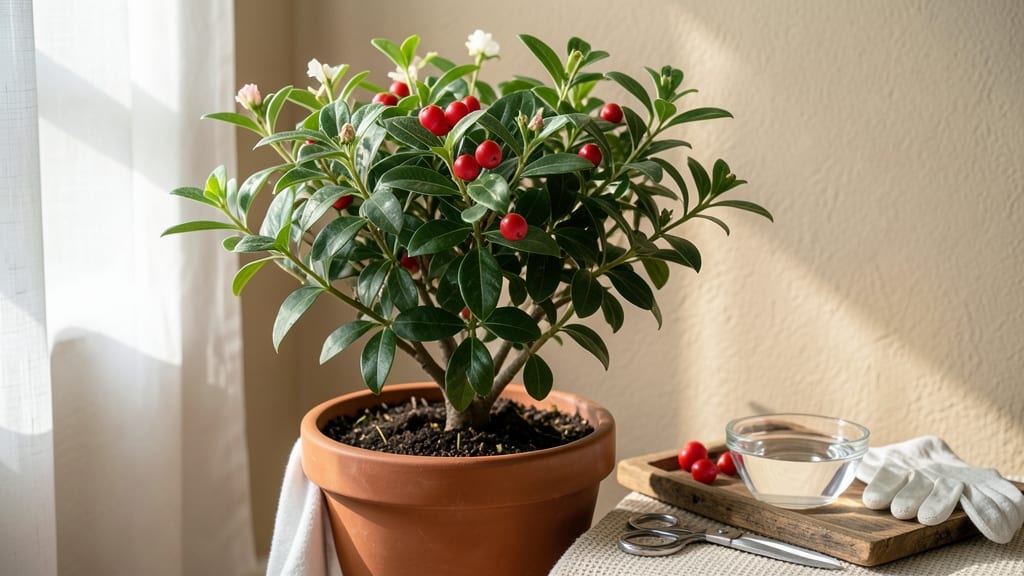
How to grow miracle berry turns tart into sweet in your mouth—and your garden. 🌱 This tropical oddity thrives in containers or warm climates, delivering edible berries that magically alter taste perception. The key? Mimic its native humidity and warmth, whether indoors near a window or outdoors in zones 10-12.
Start with seeds or cuttings—seeds take 60-90 days to fruit, while cuttings produce berries faster. Well-draining potting mix and a spot with bright, indirect light (or 6+ hours of sun outdoors) keeps plants happy. Water when the top inch of soil dries, but avoid soggy roots—this plant hates wet feet.
By harvest time, you’ll pluck tiny red berries that pack a flavor-transforming punch. The berries themselves are tart, but their magic lies in the compound miraculin, which makes sour foods taste sweet for up to an hour.
Prune lightly to encourage bushier growth, and watch your plant reward you with a harvest in just two growing seasons.
Perfect for small spaces, indoor growers, or tropical climates—just protect it from frost. The berries dry well for later use, and the plant’s unusual charm makes it a conversation starter. Ready to grow your own taste experiment?
📚 In This Guide
- What you need
- Instructions
- Tips and common mistakes
- Wrapping up and next steps
What you need
- ● Miracle Berry Seeds: 3–5 seeds (available online or from specialty seed banks). Pro tip: Soak seeds in warm water for 24 hours to speed up germination! 💡
- ● Growing Containers: 2–3 small pots (6–8 inches in diameter) with drainage holes, or a seed tray with individual cells.
- ○ Potting Soil: Well-draining, peat-based mix (or a blend of 50% peat, 30% perlite, and 20% coconut coir). Optional: Add a handful of compost for extra nutrients.
- ● Grow Lights or Sunny Spot: A south-facing window (6+ hours of sunlight) or a grow light (12–14 hours/day for seedlings).
- ● Spray Bottle: For gentle watering (avoid over-saturating soil!).
- ● Humidity Dome or Plastic Wrap: To retain moisture during germination.
- ● Fertilizer: Balanced liquid fertilizer (10-10-10 or 20-20-20), diluted to half-strength. Apply every 4–6 weeks once seedlings sprout.
- ● Seedling Heat Mat: Keeps soil warm (70–80°F) for faster germination.
- ● pH Test Kit: Miracle berries prefer slightly acidic soil (pH 5.5–6.5).
- ● Support Stakes: Tall plants may need lightweight stakes for stability.
- ● Pest Control: Neem oil or insecticidal soap (if aphids or spider mites appear).
- ● Journal/Notebook: Track growth stages, watering, and fertilizer dates!
Step-by-step instructions for growing miracle berry plants
Here's how to cultivate these fascinating berries that change your taste buds—no fancy equipment needed.
🌱 Step 1: Start Seeds Indoors for Early Growth
Miracle berry seeds germinate best when started indoors 6-8 weeks before your last frost date. Fill a small seed tray with moistened seed-starting mix (I use a 4-inch tray for 4 plants) and press it down gently. Plant 1-2 seeds per cell just below the soil surface—about ¼ inch deep—since they need darkness to sprout.
Cover the tray with plastic wrap or a humidity dome to keep moisture consistent, then place it in a warm spot (75-85°F). You'll see tiny sprouts in 10-14 days, but don't remove the cover until 50% of seeds have germinated. Overwatering now will cause damping-off, so mist lightly every 2-3 days until you notice first true leaves (not the initial seed leaves).
☀️ Step 2: Provide Bright, Indirect Light for Healthy Seedlings
Once seedlings emerge, move them to bright, indirect light immediately. A south-facing window works, but supplement with a grow light if natural light is weak—miracle berry seedlings stretch toward light and become leggy if deprived. Position the light 2-3 inches above the plants and keep it on for 14-16 hours daily.
You'll know they're getting enough light when leaves are deep green and compact (not pale or spaced far apart). Rotate the tray a quarter turn every 3 days so stems grow straight. Fertilize lightly with a balanced liquid fertilizer (5-5-5) when true leaves appear, but use half-strength to avoid burning tender roots.
🪴 Step 3: Transplant Outdoors After Frost Risk Passes
Wait until nighttime temperatures stay above 55°F before moving seedlings outside. Harden them off by placing them in a shaded, sheltered spot for 1-2 hours the first day, then gradually increase exposure over 7-10 days. Choose a location with partial shade (morning sun, afternoon shade) since miracle berries thrive in 60-75°F conditions and can scorch in intense heat.
Dig holes twice as wide as the root ball and same depth as the container. Space plants 18-24 inches apart—they grow into small shrubs. Mix 1 cup compost into the planting hole to give roots a nutrient boost. Water deeply after transplanting, then mulch with 2 inches of organic mulch to retain moisture and suppress weeds. You'll see new growth within 2 weeks if conditions are right.
💧 Step 4: Maintain Consistent Moisture and Fertility
Miracle berries need even moisture—water when the top 1-2 inches of soil feel dry. Overwatering causes root rot, while underwatering stresses plants and reduces fruit production. I water deeply 2-3 times per week in summer, adjusting for rain. A drip irrigation system works best to avoid wetting leaves, which can spread fungal diseases.
Fertilize every 4-6 weeks with a balanced organic fertilizer (like fish emulsion) during the growing season. Stop fertilizing in late summer to encourage fruit ripening. Prune leggy stems in early spring to shape the plant and improve airflow. You'll start seeing tiny white flowers in 4-6 weeks, followed by red berries that ripen in 60 days—the whole process is faster than you'd expect!
Tips & tricks for perfect miracle berry cultivation
Growing miracle berries is easier than you think—these tricks will help you avoid common pitfalls and maximize your harvest.
Germination Secrets: Miracle berry seeds have a hard outer shell, so I recommend soaking them in warm water for 12-24 hours before planting to soften the coat. This can speed up germination from 10-14 days to as little as 7 days—just don't skip this step if you're impatient! The 75-85°F warmth requirement is non-negotiable, so if your home runs cooler, consider using a seedling heat mat beneath your tray.
Lighting Strategy: Those 14-16 hours of light daily are crucial for preventing leggy seedlings. I've found that placing a simple LED grow light just 2-3 inches above the plants creates the perfect spectrum without breaking the bank. Watch for leaves that are pale or stretched—they're begging for more light. Rotating the tray every 3 days ensures even growth, preventing that lopsided look.
Transplanting Transition: The 7-10 day hardening off period might feel tedious, but it's worth it. Start with just 1-2 hours of outdoor exposure on day one, then gradually increase. I like to place seedlings in a spot where they'll get morning sun and afternoon shade—this mimics their ideal 60-75°F growing conditions. If nighttime temps drop below 55°F, keep them protected with row covers.
Watering Wisdom: Miracle berries hate soggy feet, so I always check the top 1-2 inches of soil before watering. A drip irrigation system is my go-to because it delivers water directly to the roots without wetting the leaves—this prevents fungal diseases that can ruin your plants. In summer, I water deeply 2-3 times per week, but adjust based on rainfall to avoid overwatering.
Pro Tips for Grow Miracle Berry
- Growing miracle berries is easier than you think—these tricks will help you avoid common pitfalls and maximize your harvest.
- Germination Secrets: Miracle berry seeds have a hard outer shell, so I recommend soaking them in warm water for 12-24 hours before planting to soften the coat.
- Lighting Strategy: Those 14-16 hours of light daily are crucial for preventing leggy seedlings.
Frequently asked questions
Got questions about growing your own miracle berry? You’re not alone—this tangy little fruit can be tricky to master! Below, we’ve rounded up the most common queries to help you grow with confidence.
How long does it take for miracle berry plants to bear fruit?
Miracle berries (Synsepalum dulcificum) typically take 12–18 months to produce fruit from seed, but faster results (6–12 months) are possible with grafted plants. Patience is key—focus on keeping your plant healthy with bright, indirect light and consistent moisture until those first berries appear!
Can I grow miracle berry indoors, or does it need outdoor conditions?
Yes! Miracle berries thrive indoors near a south-facing window or under grow lights (12+ hours/day). If outdoors, they love warm, humid climates (USDA Zones 10–11). For colder areas, grow them in pots and bring them inside during winter. Just avoid drafts—they hate temperature drops below 50°F (10°C).
How do I know if my miracle berry is ripe and ready to eat?
Ripe miracle berries turn deep red or purple and feel slightly soft to the touch (like a ripe grape). They’re not sweet on their own—taste one plain to confirm the "miracle" effect! Unripe berries are bitter, so wait until they’re fully colored. Pro tip: Harvest in the morning for peak flavor.
Why are my miracle berry leaves turning yellow or dropping?
Yellow leaves or leaf drop usually signal overwatering, underwatering, or pests. Check the soil—it should stay moist but not soggy. If pests (like spider mites) are the culprit, wipe leaves with soapy water or use neem oil. Adjust light too: too little causes leggy growth, while too much can scorch leaves.
Are there any alternatives to miracle berry for flavor manipulation?
While nothing replicates the miracle berry’s magic, try starfruit (carambola) for a mild sweet-to-sour twist or passionfruit for tangy bursts. For a DIY hack, mix lemon juice + sugar to mimic the effect (though it’s temporary!). No substitute is perfect, but these can add fun flavor experiments to your cooking!
Wrapping up and next steps
Growing miracle berry is a rewarding journey that brings a touch of magic to your garden—and your taste buds! 🌱 With the right soil, sunlight, and patience, you can enjoy these tangy-turning berries in just 60 days.
Whether you’re experimenting for fun or curious about their unique flavor-altering powers, this guide makes it simple.
Now that you’re armed with knowledge, why not plant your first batch this week? Start small, experiment with flavors, and share your discoveries with friends. Happy growing—and may your sour foods taste sweet! 🍋✨