
Size
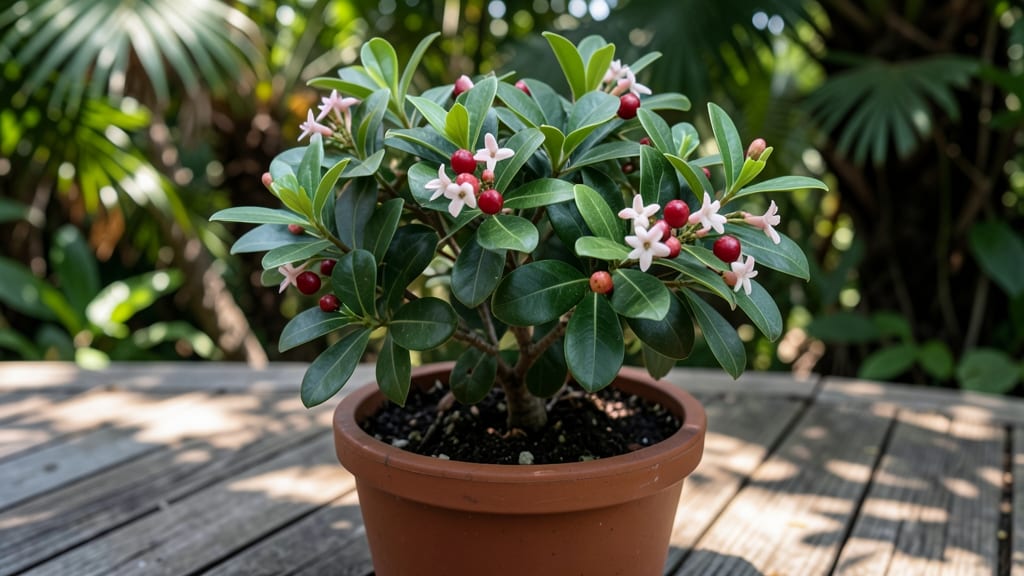
Transforming sour into sweet with just one bite—this tiny miracle, Synsepalum dulcificum, grows surprisingly easy once you know the tricks. 🌱 My first attempt took three years to fruit, but now I’ve got a thriving bush that turns lemons into candy.
The secret isn’t magic; it’s patience, the right climate, and a few simple growing habits that mimic its tropical homeland.
You’ll need a warm spot—outdoors in zones 10-12 or indoors near a sunny window—where temperatures stay above 50°F year-round. The soil should drain well but hold moisture, and a slightly acidic pH (6.0-6.5) keeps roots happy.
Start with seeds (they’re slow) or cuttings (faster), and give them bright, indirect light from the get-go. Overwatering kills them faster than anything else.
By year two, you’ll see those glossy green leaves and tiny red berries—each one packing the power to make sour taste sweet for up to an hour. The first harvest feels like a science experiment, but once you taste it, you’ll understand why gardeners obsess over this plant.
It’s not just about the fruit; it’s about growing something that changes how you experience flavor.
Indoor growers can keep theirs in pots with good drainage, while outdoor gardeners in warm climates might let it sprawl into a small shrub. Just watch for pests like spider mites and keep the soil consistently moist—not soggy.
The real reward? Sharing that mind-blowing first bite with someone who’s never tried it.
📚 In This Guide
- What you need
- Instructions
- Tips and common mistakes
- Wrapping up and next steps
What you need
- ● Miracle Berry Seeds: 3–5 seeds (fresh or dried, but not treated—untreated seeds germinate best!)
- ● Well-draining potting mix: 2–3 gallons of a blend like 50% peat moss, 30% perlite, and 20% coconut coir (avoid heavy clay soil!)
- ● Pot or container: 6–8 inches deep with drainage holes (terracotta or plastic works)
- ● Spray bottle: For gentle watering (seeds hate soggy soil!)
- ● Humidity dome or plastic wrap: To create a mini greenhouse effect
- ● Grow lights or sunny windowsill: 6–8 hours of bright, indirect light daily (south-facing window or LED grow lights)
- ● Fertilizer: Balanced 10-10-10 or 20-20-20 (diluted to half-strength) for seedlings
- ● Pruning shears: Small, sharp pair for trimming (once established)
- ● Seed-starting trays: For organized germination (if planting multiple seeds)
- ○ Heating mat: Keeps soil at 75–85°F for faster germination (optional but speeds up sprouting!)
- ● pH testing kit: Ideal soil pH: 5.5–6.5 (Miracle Berry loves slightly acidic soil)
- ● Mulch: Wood chips or straw to retain moisture (once transplanted outdoors)
- ● Support stake: For taller plants (if growing indoors near a window)
Step-by-step instructions for growing Synsepalum dulcificum
Here's the foolproof method I've used to grow this fascinating berry—where sour turns sweet in seconds.
🌱 Step 1: Select and Prepare Your Planting Container
Start with a 6-8 inch diameter pot that has drainage holes—Synsepalum Dulcificum hates soggy roots. I use terracotta because it breathes well and helps prevent rot. Fill the bottom third with perlite or coarse sand to improve drainage and prevent compaction.
Choose a well-draining potting mix that mimics its tropical forest habitat. A blend of 50% peat moss, 30% perlite, and 20% compost works perfectly. Moisten the mix until it feels like a wrung-out sponge—damp but not dripping. This ensures roots establish quickly without sitting in water.
☀️ Step 2: Plant Your Synsepalum Dulcificum Seeds or Cuttings
If starting from seed, plant them just below the soil surface—about ¼ inch deep. I like to soak seeds overnight first to soften the tough outer shell. Place 2-3 seeds per pot since germination rates can be unpredictable. Cover lightly with additional mix, then mist gently with water until the surface looks evenly damp.
For cuttings, use semi-hardwood stems about 4-6 inches long taken in late spring or early summer. Dip the cut end in rooting hormone, then insert into the prepared mix. Keep the soil consistently moist but never waterlogged—this berry thrives in humidity but won't tolerate wet feet.
💧 Step 3: Provide Ideal Growing Conditions
Place your pot in a location with bright, indirect light—think filtered sunlight like under a sheer curtain. Direct sun can scorch the leaves, while too little light results in leggy, weak growth. A south or east-facing window usually works best. If you notice the leaves stretching toward the light, it's time to move the plant closer.
Maintain temperatures between 65-75°F during the day and no lower than 60°F at night. This tropical plant is sensitive to cold drafts, so keep it away from windows that open in chilly weather. Humidity is key—aim for 60-70% by misting leaves daily or using a pebble tray with water underneath the pot.
⏰ Step 4: Water and Fertilize for Optimal Growth
Water when the top inch of soil feels dry to the touch. I check this by sticking my finger in—if it comes out clean, it's time to water. Use room-temperature water to avoid shocking the roots. Water thoroughly until it drains from the bottom, then empty any excess from the saucer to prevent root rot.
Feed your plant with a balanced, water-soluble fertilizer diluted to half-strength every 4-6 weeks during the growing season (spring through fall). I switch to a low-nitrogen, high-phosphorus formula when buds appear to encourage fruiting. Reduce feeding in winter when growth naturally slows down.
🌿 Step 5: Prune and Encourage Bushy Growth
Regular pruning keeps your Synsepalum Dulcificum compact and encourages more berries. Pinch back the tips of new growth when they reach about 6 inches tall to promote branching. This is especially important for young plants—it prevents that "one long stem" look and creates a fuller bush.
Remove any yellow or damaged leaves immediately. These can attract pests and diseases. Also, trim back any leggy growth that stretches toward the light. The goal is to maintain a shape that's open enough for air circulation but dense enough to support fruit production. You'll know you're doing well when you see new growth emerging from the sides of the plant.
Tips & tricks for perfect Synsepalum dulcificum growth
Here's what nobody tells you about growing this magical berry—tricks that'll make all the difference between struggling and thriving plants.
Container Selection: The 6-8 inch diameter pot isn't just about size—it's about material. While terracotta is ideal, plastic pots retain too much moisture and can lead to root rot. If you must use plastic, add an extra layer of perlite at the bottom to create a moisture buffer. Also, consider adding a saucer with pebbles and water underneath to boost humidity, especially in dry climates. This mimics the tropical forest floor where Synsepalum Dulcificum naturally grows.
Seed Preparation: That overnight soak for seeds is crucial, but don't overdo it. After 12 hours, check the seeds—they should be noticeably softer but not mushy. If you're planting 2-3 seeds per pot as recommended, you'll likely get multiple sprouts. Once they reach about 2 inches tall, thin to the strongest seedling by snipping the others at the base with clean scissors. This prevents competition for nutrients.
Light Management: The bright, indirect light requirement is non-negotiable, but here's the trick: rotate your pot every 2-3 weeks so all sides get even exposure. You'll notice leaves stretching toward the light? That's your plant telling you to move it closer to the window—or invest in a grow light for 12-14 hours daily. Yellowing leaves often indicate too much direct sun, while pale, leggy growth means it needs more light.
Pruning Strategy: When pinching back those 6-inch stems in Step 5, aim to remove about 1/3 of the new growth. This might seem drastic, but it stimulates branching. For mature plants, you can also do a "hard prune" in late winter—cut back about 1/4 of the plant's height to encourage dense, bushy growth. Just be sure to sterilize your pruners with rubbing alcohol between cuts to prevent disease transmission.
Pro Tips for Grow Synsepalum Dulcificum
- Here's what nobody tells you about growing this magical berry—tricks that'll make all the difference between struggling and thriving plants.
- Container Selection: The 6-8 inch diameter pot isn't just about size—it's about material.
- Seed Preparation: That overnight soak for seeds is crucial, but don't overdo it.
Frequently asked questions
Got questions about growing this magical berry? You’re not alone! Here are answers to the most common queries about Synsepalum dulcificum—from patience to pests and everything in between.
How long does it take for Miracle Berry plants to bear fruit?
Patience is key! Under ideal conditions, you can expect your plant to produce berries in 2–3 years. Young plants focus on root and leaf growth first, so don’t rush it—think of it as a slow-burning sweet reward.
Can I grow Miracle Berry indoors? What’s the best setup?
Place your plant near a south-facing window or under grow lights (12+ hours/day). Keep temps between 65–80°F (18–27°C) and maintain high humidity. A sunny balcony or greenhouse also works—just avoid drafts.
What pests should I watch for, and how do I treat them?
Common culprits include spider mites, aphids, and mealybugs. Catch them early with a mix of neem oil (spray weekly) and water blasts to dislodge pests. For severe infestations, isolate the plant and repeat treatments. Prevention? Keep leaves dust-free!
How do I protect my Miracle Berry plant in winter?
If temps drop below 30°F (-1°C), move potted plants indoors or wrap outdoor plants in burlap and bubble wrap. Mulch the base for extra insulation. Dormancy is natural—reduce watering but avoid letting soil dry out completely. Spring will bring sweet surprises!
Are there any non-toxic alternatives if I can’t grow Miracle Berry?
While nothing mimics its magic, try stevia (natural sweetener) or sour berries + sugar (like cranberries) for a DIY "sour-to-sweet" effect. For culinary tricks, lemon juice + sugar can trick your taste buds—though it’s not the same!
Pro Tip: Label your plants!
Miracle Berries look similar to other tropical fruits when young. Use a waterproof tag to avoid mix-ups—trust us, you’ll thank yourself when harvesting time rolls around.
Wrapping up and next steps
Growing Synsepalum dulcificum, or the Miracle Berry, is a rewarding journey that unlocks nature’s sweetest secret—turning sour into sweet! 🌱 With the right conditions, patience, and care, you can cultivate this fascinating plant and enjoy its magical berries.
Whether you’re a seasoned gardener or a curious beginner, every step brings you closer to a harvest that’s truly one-of-a-kind.
Now that you’re armed with the knowledge, why not take the next step? Start small—plant a seed or propagate a cutting—and watch your garden transform into a flavor factory!
Share your progress with fellow plant enthusiasts or experiment with the berries once they’re ready. The sweetest rewards often come from the simplest beginnings. Happy growing! 🌟