
Size
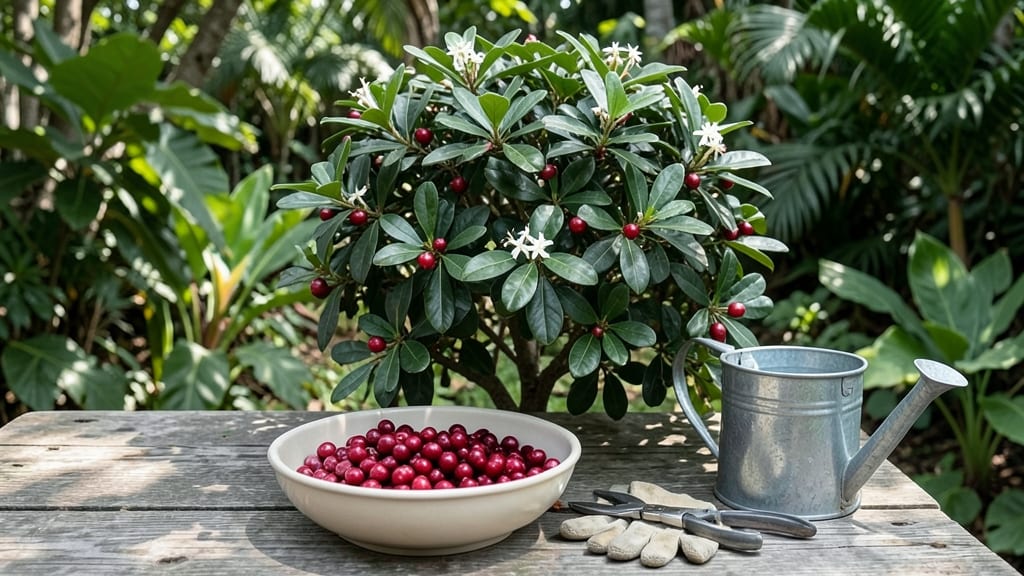
How to grow miracle fruit turns sour into sweet—literally. 🌱 I tried it after seeing videos of lemons tasting like candy, and now I’m hooked on growing this quirky tropical plant that’s as fun to cultivate as it is to eat with. The key is patience and humidity. Miracle fruit thrives in 70-80°F temperatures and loves 60-80% humidity, making it perfect for greenhouses or shaded patios. Start with seeds (germination takes 4-6 weeks) or cuttings from a mature plant, and keep the soil lightly moist but never soggy. By month 3, you’ll see tiny red berries forming—each one packed with the protein that makes everything taste sweeter for 30 minutes after eating. The real magic happens when you harvest them at peak ripeness (bright red and slightly soft). Indoor growers need a grow light for 12+ hours daily, while outdoor plants flourish in partial shade. Prune leggy growth to encourage bushier plants, and watch your flavor profile transform forever.
📚 In This Guide
- What you need
- Instructions
- Tips and common mistakes
- Wrapping up and next steps
What you need
- ● Ready to turn your taste buds into a flavor-flipping party? 🌱✨ Growing miracle fruit (Synsepalum dulcificum) is easier than you think—just gather these essentials to get started!
- ● Pro tip: 💡 Start with sterilized tools (wipe with rubbing alcohol) to avoid fungal issues!
Step-by-step instructions for growing miracle fruit
Here's the method I've used to grow this fascinating plant successfully—no greenhouse needed.
🌱 Step 1: Start with a Healthy Seedling or Cutting
Miracle fruit (Synsepalum dulcificum) thrives from cuttings rather than seeds, which can take years to mature. Order a healthy, disease-free cutting from a reputable supplier—look for one with at least 3-4 nodes and vibrant green leaves. I always ask for organic cuttings to avoid introducing pests to my collection.
Remove the cutting from its packaging immediately and inspect it closely. Discard any with brown edges, mushy stems, or signs of mold. Healthy cuttings should feel firm to the touch and have a slight sheen on the leaves. Place it in a clean container with 1-2 inches of distilled water (chlorine can harm the delicate roots), ensuring the nodes are submerged but the leaves stay dry.
☀️ Step 2: Provide Warmth and Humidity for Root Development
Place the container in a warm spot with bright, indirect light—a south-facing window with sheer curtains works well. Maintain temperatures between 70-80°F; a seedling heat mat set to 75°F speeds up root growth if your home runs cooler. Roots typically appear in 2-4 weeks, but be patient if your space is cooler.
Cover the cutting with a clear plastic bag to create a humid microclimate, securing it loosely with a rubber band. Mist the leaves lightly every 2-3 days to prevent fungal issues. You'll know the humidity is right when condensation forms on the bag's interior but no water droplets pool on the leaves. Remove the bag once roots reach 1-2 inches long.
🪴 Step 3: Transplant into Well-Draining Soil Mix
Use a 6-inch diameter pot with drainage holes and fill it with a mix of 50% peat moss, 30% perlite, and 20% coconut coir. This blend ensures excellent drainage while retaining enough moisture for delicate roots. Gently remove the cutting from water, being careful not to damage the emerging roots.
Create a small hole in the center of the pot and plant the cutting so that the lowest node is just below the soil surface. Press the soil lightly around the stem to secure it without compacting. Water thoroughly until water runs freely from the drainage holes, then let it drain completely before placing it back in its warm, bright location.
💧 Step 4: Maintain Consistent Care for Foliage Growth
Water the miracle fruit when the top 1-2 inches of soil feel dry to the touch, typically every 5-7 days depending on your climate. Overwatering is the fastest way to kill this tropical plant—yellowing leaves or mushy stems are sure signs you're watering too much. Use room-temperature water to avoid shocking the roots.
Rotate the pot a quarter turn weekly so the plant grows evenly toward the light. Fertilize lightly every 4-6 weeks with a balanced, water-soluble fertilizer diluted to half strength. You'll see new leaves emerge within 6-8 weeks—this is your signal that the plant is establishing itself successfully.
⏰ Step 5: Prepare for Fruiting in 3 Months
Once your miracle fruit plant has 8-10 mature leaves and a sturdy stem, it's ready for its first fruiting cycle. Keep it in 60-75% humidity and maintain temperatures above 65°F—cold drafts will cause leaves to drop. Small red berries will appear 3-4 months after transplanting, typically in clusters of 3-5.
Harvest the berries when they turn bright red and slightly soft to the touch. They're ready to use immediately or can be stored in the refrigerator for up to 2 weeks. Here's the thing—once you taste the flavor transformation, you'll want to grow more. Just be patient; it takes 1-2 years for a plant to reach full fruiting potential.
Tips & tricks for perfect miracle fruit cultivation
These insider strategies will help you avoid common pitfalls and maximize your miracle fruit's potential.
Cutting Selection: When choosing your cutting, focus on the lowest node—this is where roots will emerge first. I always inspect the underside of leaves for tiny bumps called axillary buds; these are your future root zones. Avoid cuttings with any yellowing or curled leaves, as these indicate stress or disease. If your cutting arrives with a thick, waxy coating, gently wipe it with a damp cloth before placing it in water to prevent mold growth.
Root Development: The 2-4 week window for root growth can feel like an eternity, but consistency is key. I've found that placing a small fan on low setting near the cutting (about 6 inches away) creates gentle airflow that prevents mold while maintaining humidity. If you notice black spots forming on the water, change it immediately—this is a sign of bacterial growth that can harm your cutting. Once roots reach 1-2 inches, they'll look like tiny white hairs at the nodes.
Soil Mix: The 50-30-20 peat moss-perlite-coconut coir blend is crucial for preventing root rot while providing the moisture-sensitive miracle fruit needs. Before transplanting, I always sterilize my pots by soaking them in a 1:10 bleach-water solution for 10 minutes, then rinsing thoroughly. This prevents introducing pathogens to your delicate new plant. When pressing soil around the stem, use just enough pressure to secure it—too much compaction can suffocate emerging roots.
Fruiting Conditions: Maintaining 60-75% humidity is easier than you think. I use a simple humidifier set to 65% near my plant and place a tray of pebbles with water underneath the pot—this creates a natural humid microclimate. For the first 3-4 months after transplanting, I avoid fertilizing more than every 6 weeks; too much nitrogen can delay fruiting. Watch for small red buds forming in leaf axils—these are your first sign of success!
Pro Tips for Grow Miracle Fruit
- These insider strategies will help you avoid common pitfalls and maximize your miracle fruit's potential.
- Cutting Selection: When choosing your cutting, focus on the lowest node—this is where roots will emerge first.
- Root Development: The 2-4 week window for root growth can feel like an eternity, but consistency is key.
Frequently asked questions
Got questions about growing miracle fruit? You’re not alone!
Here are some of the most common ones—and the answers you need to succeed.
How long does it take for miracle fruit to bear fruit?
Miracle fruit plants typically take 12–18 months to produce ripe berries from seed, but with cuttings or grafts, you might see fruit in 6–12 months. Patience is key—focus on keeping the plant healthy first!
Can miracle fruit survive winter or cold climates?
Nope! Miracle fruit is a tropical plant and thrives in USDA zones 10–12. If you live in cooler areas, grow it in a pot indoors near a sunny window or under grow lights. Bring it inside before temps drop below 50°F (10°C).
What does miracle fruit taste like, and how long does the effect last?
The berries are tart and slightly sweet (like a mix of cranberry and citrus). After eating one, sour or bitter foods (like lemons or coffee) taste sweet for 1–2 hours. The effect wears off naturally—no worries!
Can I grow miracle fruit from store-bought berries?
Technically yes, but germination rates are low (often <10%). For better success, buy seeds online or take a cutting from a mature plant. If you try seeds, soak them in warm water for 24 hours to boost germination.
Why aren’t my miracle fruit leaves turning red?
Red leaves (or anthocyanins) appear when the plant is stressed by cold, drought, or too much sun. Keep it in bright, indirect light and water when the top inch of soil is dry. If leaves stay green, it’s just a slow-maturing variety!
Wrapping up and next steps
Growing miracle fruit is a rewarding journey that blends patience with a touch of magic—literally! 🌱 With the right light, soil, and care, you’ll soon be harvesting these tiny berries that can make sour foods taste sweet.
Whether you’re a beginner or a seasoned gardener, the key is consistency and a little creativity in propagation.
Ready to take the next step? Start small—plant a few seeds or cuttings today, and in just three months, you could be enjoying the miracle of flavor transformation. Share your progress with fellow plant enthusiasts or experiment with recipes to see how this fruit changes your taste buds! 🍓✨