
Size
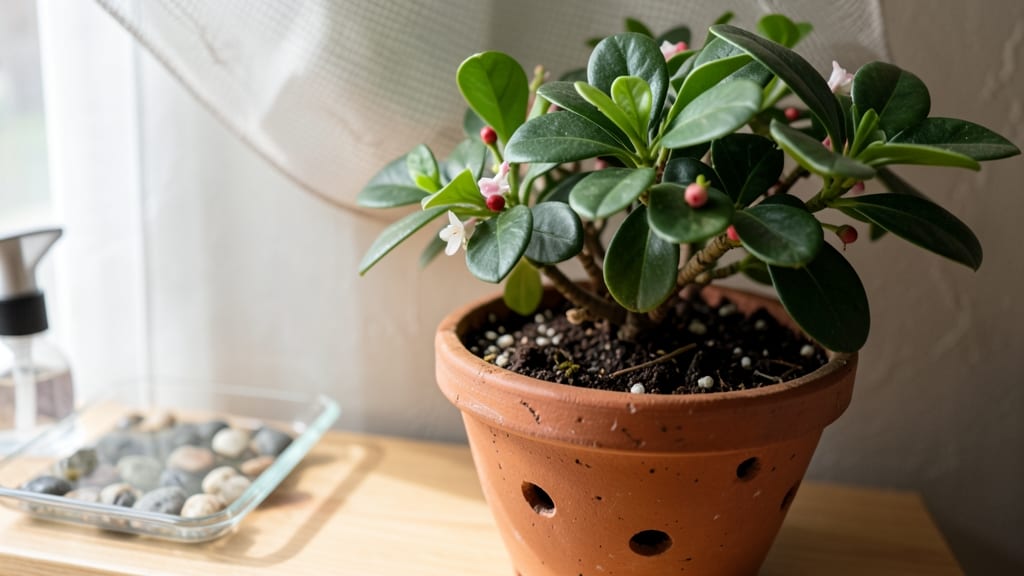
How to grow a miracle fruit plant changes how you taste everything. 🌿 This tropical oddity—Synsepalum dulcificum—turns sour into sweet, and while it takes patience, the process is simpler than you'd think once you nail the basics. The secret lies in mimicking its native rainforest home: bright, indirect light, 70-80°F temperatures, and high humidity. Most beginners fail by treating it like a houseplant—it needs warmth, moisture, and well-draining soil rich in organic matter. Start with seeds (they germinate in 4-8 weeks) or propagate from cuttings if you find a mature plant. By year two, you'll see glossy leaves and tiny red berries that pack a flavor-altering punch. The first bite of a lemon after eating one will feel like magic—sour becomes tangy-sweet in seconds. Just don’t expect fruit until the plant’s 3-5 years old, and protect it from frost at all costs. Works best in USDA zones 10-11, but container growing lets you bring it indoors during cooler months. Patience is key—this isn’t a fast crop, but the payoff is unlike anything else in your garden.
📚 In This Guide
- What you need
- Instructions
- Tips and common mistakes
- Wrapping up and next steps
What you need
- ● Miracle fruit seeds or a young plant: Purchase seeds from a reputable supplier (ensure they’re fresh) or start with a small nursery-grown plant (3–6 inches tall).
- ● Well-draining potting soil: A mix of peat moss, perlite, and coconut coir (ratio: 40% peat, 30% perlite, 30% coconut coir) works best. Avoid heavy clay soil.
- ● 6–8 inch diameter pot: Use a container with drainage holes (terracotta or plastic). For multiple plants, opt for larger pots or individual containers.
- ○ Slow-release fertilizer (optional but recommended): A balanced, organic fertilizer (e.g., 10-10-10 or compost) to kickstart growth. Apply sparingly—too much can harm the plant.
- ● Watering can or spray bottle: Keep soil moist but not soggy. A spray bottle helps with humidity-loving seedlings.
- ● Humidity dome or plastic wrap: Essential for seedlings to retain moisture and warmth during germination.
- ● Grow lights or sunny windowsill: Miracle fruit thrives in bright, indirect light (6–8 hours daily). A full-spectrum LED grow light is ideal if natural light is limited.
- ● Pruning shears: For trimming dead leaves or shaping the plant as it grows.
- ● pH testing kit: Ensure soil pH is between 5.0–6.5 (slightly acidic). Miracle fruit prefers this range!
- ● Misting bottle: Helps maintain humidity, especially in dry climates.
- ● Support stake or trellis: As the plant grows taller (up to 10 feet in ideal conditions), a stake provides stability.
- ● Compost or worm castings: Boosts soil fertility naturally—add a handful to the potting mix.
- ● Label or plant marker: Keep track of your miracle fruit (and avoid confusing it with other plants!).
Step-by-step instructions for cultivating miracle fruit
Here's my foolproof method for nurturing this fascinating tropical plant from seed to fruiting stage.
🌱 Step 1: Select and Prepare Your Propagation Material
Miracle fruit (Synsepalum dulcificum) grows best from fresh seeds, which you can extract from ripe red berries. The key is working with seeds within 24 hours of harvest—they lose viability quickly. I like to soak them in lukewarm water for 12-24 hours to soften the tough outer coating and speed up germination.
Use a clean, sharp knife to carefully slice open the berry and remove the seeds. Don't crush them—they're delicate. Place each seed on a paper towel and let it dry slightly before planting. This prevents rot when you eventually transfer them to soil.
🪴 Step 2: Create the Ideal Germination Environment
Fill small 2-3 inch deep pots with a well-draining mix of 50% peat moss and 50% perlite. Miracle fruit hates soggy roots, so drainage is critical. Moisten the mix until it feels like a damp sponge—you should be able to squeeze it gently without water dripping out.
Plant each seed about ¼ inch deep, spacing them 1 inch apart in the pot. Cover lightly with additional mix and mist the surface until evenly moist. Place the pots in a warm, humid environment—I use a seedling heat mat set to 75-80°F with a clear plastic dome to trap moisture.
☀️ Step 3: Manage Light and Temperature for Seedlings
Once sprouts appear (usually within 2-4 weeks), remove the humidity dome immediately to prevent fungal issues. Seedlings need bright, indirect light for 10-12 hours daily. A south-facing window works, but I supplement with a grow light to prevent leggy growth.
Keep soil consistently moist but never soggy—you'll know it's right when the top inch feels slightly damp but not wet. Maintain temperatures between 70-85°F during the day and no lower than 65°F at night. Miracle fruit is tropical and won't tolerate cold drafts.
🌿 Step 4: Transplant and Encourage Robust Growth
When seedlings develop 3-4 true leaves (about 6-8 weeks), transplant them into 5-inch pots with fresh potting mix. Handle the delicate stems carefully—they're prone to breaking. I use a mix of 60% peat moss, 20% perlite, and 20% compost for the best results.
Place each plant in its own pot to prevent competition. Increase light exposure gradually over 1-2 weeks to harden them off. You'll notice new growth within 2-3 weeks if conditions are right. This is when you can start pinching back the tips to encourage bushier growth.
⏰ Step 5: Maintain and Prepare for Fruiting
Once plants reach 12-18 inches tall (about 6-12 months from seed), they're ready for their permanent 12-18 inch pot with well-draining soil. Miracle fruit thrives in 60-80% humidity and 70-85°F temperatures year-round. I water when the top 2 inches of soil feel dry to the touch.
Fruiting typically begins 1-2 years after planting. The red berries appear in clusters—harvest them when they're fully red but still slightly firm. The flavor transformation happens immediately after eating one berry, lasting 30-60 minutes. Here's the thing—you'll want to grow more after your first taste!
Tips & tricks for perfect miracle fruit cultivation
Transforming a simple cutting into a thriving miracle fruit plant requires attention to detail—here's how to maximize your success without the common pitfalls.
Selection Matters: When choosing your 4-6 inch cutting with 2-3 leaf nodes, look for vibrant green leaves and firm stems. Avoid cuttings with yellowing leaves or soft spots, as these indicate stress or disease. The best time to take cuttings is during spring or early summer when the plant's growth hormones are most active. I've found that cuttings from the current season's new growth root most reliably—this is when the plant's energy is focused on expansion rather than maintenance. Confession: I skipped this timing detail early on and struggled with slow rooting.
Rooting Hormone Hack: While rooting hormone isn't mandatory, it dramatically improves success rates by cutting your waiting time from 4-6 weeks to just 2-3 weeks. If you don't have rooting hormone, you can make a simple substitute by dipping the cut end in honey or cinnamon powder—both contain natural antimicrobial properties that help prevent rot. After applying, gently tap the cutting to remove excess powder before planting. This simple step prevents clumping that can block root formation.
Lighting Strategy: The bright, indirect light requirement in Step 3 is crucial—direct sunlight at this stage will scorch the delicate new leaves. For indoor growers, position your cutting near an east-facing window where it receives gentle morning light. If you're using artificial grow lights, maintain that 12-hour daily cycle but keep the lights 6-12 inches above the cutting to prevent overheating. I learned this the hard way after my first cutting developed brown patches from lights that were too close.
Humidity Management: Maintaining consistent humidity is often the difference between success and failure. The plastic bag method works well, but I've found that adding a small tray of water beneath the pot creates a natural humidity dome that's easier to maintain. Check the soil moisture daily—it should feel like a damp sponge, never soggy. Overwatering at this stage is the #1 killer of miracle fruit cuttings, so when in doubt, wait an extra day before watering again.
Pro Tips for Grow Miracle Fruit Plant
- Transforming a simple cutting into a thriving miracle fruit plant requires attention to detail—here's how to maximize your success without the common pitfalls.
- Selection Matters: When choosing your 4-6 inch cutting with 2-3 leaf nodes, look for vibrant green leaves and firm stems.
- Rooting Hormone Hack: While rooting hormone isn't mandatory, it dramatically improves success rates by cutting your waiting time from 4-6 weeks to just 2-3 weeks.
Frequently asked questions
Got questions about growing your own miracle fruit plant? You’re not alone! Here are answers to the most common curiosities—from impatient growers to flavor enthusiasts.
How long does it take for miracle fruit to start producing berries?
Patience is key! Seedlings usually take 6–12 months to mature enough to produce berries, while mature plants (2+ years old) may yield fruit within 3–6 months after flowering. Pro tip: Prune lightly to encourage bushier growth and more fruit clusters.
Can miracle fruit survive winter or cold climates?
This tropical plant hates cold—temperatures below 50°F (10°C) can damage or kill it. If you live in a chilly zone, grow it indoors near a bright window or as a seasonal houseplant. Move it outside only when temps stay above 65°F (18°C).
What does miracle fruit taste like, and how long does the effect last?
The berries themselves are sour and tart (like a mix of cranberry and lime), but their magic lies in the miraculin protein, which makes sour foods taste sweet for 1–2 hours. Warning: Avoid mixing with acidic foods (like citrus) immediately after eating—the effect can feel overwhelming!
Why isn’t my miracle fruit plant flowering or fruiting?
Common culprits:
- Insufficient light: Needs bright, indirect sunlight (6+ hours daily). Supplement with grow lights if indoors.
- Over/under-watering: Keep soil moist but not soggy—root rot or drought stress can stall growth.
- Lack of nutrients: Feed with a balanced fertilizer (half-strength) every 4–6 weeks during growing season.
- Young age: Plants under 1 year old may not flower yet.
Can I grow miracle fruit from store-bought berries, or do I need seeds?
Yes! You can propagate from seeds (soak overnight to speed germination) or root cuttings from a mature plant. But: Store-bought berries are often pasteurized to remove miraculin—check labels or source seeds from a reputable supplier (like Etsy or specialty nurseries).
Wrapping up and next steps
Growing a miracle fruit plant is a rewarding journey that unlocks a world of flavor transformation—turning sour into sweet with just a bite! 🌱✨ With the right care, patience, and a few simple steps, you’ll soon be enjoying the magic of this tropical gem in your own home.
Whether you’re a seasoned gardener or a curious beginner, the key is consistency: bright light, balanced moisture, and a little patience.
Ready to dive in? Start with a cutting or seed today, and in just a few weeks, you could be savoring the unique taste of miracle fruit on everything from lemons to coffee! Share your progress with fellow plant lovers—your green thumb might inspire someone else’s next gardening adventure.