
Orchid Care
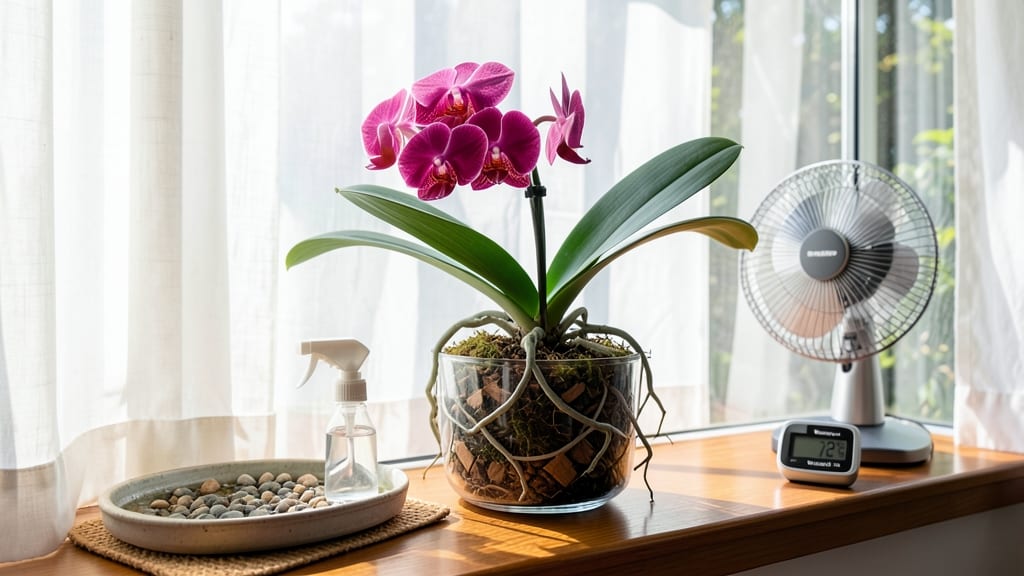
How to grow orchids in a sunroom transforms dull spaces into lush, fragrant havens. 🌿 I’ve turned my own sunroom into a year-round orchid paradise—no greenhouse required—by mastering a few key tricks that keep humidity steady and light just right. The secret isn’t fancy equipment but understanding what orchids actually need to thrive indoors.
Start with the right varieties—Phalaenopsis (moth orchids) and Paphiopedilums (lady slipper orchids) are the easiest for beginners—and pair them with clear plastic pots to monitor roots. Humidity control is everything: a simple pebble tray with water beneath the pot or a small humidifier keeps air moist without drowning roots.
Water only when the top inch of mix feels dry, and always use room-temperature water to avoid shocking the plants.
Within months, you’ll see new growth and buds forming—proof the conditions are perfect. The air will smell subtly sweet, and your sunroom will feel alive with vibrant blooms that last for weeks. Even in winter, these orchids keep flowering because we’ve created their ideal tropical microclimate right at home.
No green thumb required—just patience and these simple adjustments. Once you’ve got the basics down, you can experiment with lighting adjustments (like sheer curtains for softer light) and even propagate your orchids to share with friends. Let’s get those blooms going!
📚 In This Guide
- What you need
- Instructions
- Tips and common mistakes
- Wrapping up and next steps
What you need
- ● Orchid pots: 4–6-inch pots with drainage holes (or mounting boards if you prefer a natural look). Pro tip: 💡 Use clear plastic pots to monitor root health!
- ● High-quality orchid mix: A chunky, well-draining blend (e.g., fir bark, sphagnum moss, or coconut husk). Avoid garden soil—it’s too dense!
- ● Potting tools: A small trowel, pruning shears (sterilized), and a spray bottle for misting.
- ● Humidity tray or pebble tray: Fill with water and pebbles to boost moisture levels (critical for orchids!).
- ○ Grow lights (optional but helpful): LED or fluorescent lights (10,000–15,000 lumens) if natural light is limited.
- ● Thermometer/hygrometer: To monitor temperature (60–80°F) and humidity (40–70%).
- ● Fertilizer: Balanced orchid fertilizer (20-20-20 or 10-10-10, diluted to half-strength).
- ● Sunroom setup: Ensure your sunroom has adjustable ventilation (windows or vents) to control airflow and prevent overheating.
- ● Light control: Use sheer curtains or blinds to filter harsh afternoon sun and avoid leaf burn.
- ● Space planning: Place orchids where they get bright, indirect light (east or north-facing windows are ideal).
- ● Automatic mister for consistent humidity.
- ● Orchid-specific grow pads for extra support.
- ● Decorative stands or shelves to elevate pots and improve airflow.
Step-by-step instructions for growing orchids in sunrooms
Sunrooms offer perfect conditions for orchids—just balance light, airflow, and humidity right.
🪴 Step 1: Select the Right Orchid Varieties and Pots
Phalaenopsis orchids are the easiest for beginners in sunrooms because they tolerate moderate light and humidity. Choose pots with multiple drainage holes—orchids rot quickly if their roots sit in water. I prefer clear plastic pots so I can monitor root health without removing the plant.
Fill the pot with a bark-based mix (never regular soil—it compacts and suffocates roots). The mix should hold moisture but still allow airflow. Tap the pot gently to settle the mix before planting. You'll see healthy roots growing along the pot walls once established.
☀️ Step 2: Position for Optimal Light Without Direct Sun
Orchids need bright, indirect light—think morning sun with afternoon shade. Place your orchids near an east-facing window or under sheer curtains on a south-facing window. Too much direct sun burns leaves, turning them yellow or brown.
Rotate the pot a quarter turn weekly so the plant grows evenly. You'll notice leaves leaning toward the light if it's not balanced. If new leaves appear pale, move the plant closer to the light source.
💧 Step 3: Master the Watering Technique
Water orchids only when the top inch of mix feels dry. I use the "soak-and-drain" method: place the pot in a sink, run lukewarm water through the mix for 5-10 minutes, then let it drain completely. Never let orchids sit in water—root rot happens fast.
Mist the leaves lightly once a week to boost humidity, but avoid wetting the flower spikes. You'll see condensation on the leaves after misting—that's your signal the air is moist enough. In winter, when sunrooms dry out, a small humidifier nearby helps prevent bud drop.
🌿 Step 4: Maintain Humidity and Airflow
Sunrooms often have fluctuating humidity, which orchids hate. Keep levels between 40-70% by grouping plants together or using a pebble tray filled with water and gravel. The evaporation creates a microclimate of consistent moisture.
Ensure gentle airflow with a small fan on low setting—this mimics their natural tropical environment. You'll notice leaves staying crisp and vibrant instead of wilting or developing brown tips. Avoid drafts, though; sudden temperature swings stress orchids.
✂️ Step 5: Encourage Reblooming and Prune Wisely
After flowers fade, cut the spike 1 inch above a node (the bump where leaves grow). A new spike may grow from that node, giving you another bloom cycle. If the spike turns brown and crispy, remove it entirely to redirect the plant's energy.
Remove any yellow or mushy leaves immediately—they attract pests and spread disease. Healthy leaves should be firm and deep green. Fertilize lightly every 2-4 weeks with a balanced orchid fertilizer during active growth (spring and summer).
Tips & tricks for perfect sunroom orchids
Here's what nobody tells you about keeping orchids thriving in sunrooms—these tricks make all the difference.
Light Monitoring: I learned this the hard way after watching leaves turn yellow—orchids in sunrooms need that sweet spot of bright but indirect light. Place a white piece of paper near your orchid during different times of day. If you can't read the print through the sunroom glass, it's too intense. Adjust by moving plants or using sheer curtains.
Root Health Check: With clear plastic pots, you can monitor roots without disturbing the plant. Healthy roots should be greenish-gray, not brown or mushy. If you see black, slimy roots during the 5-10 minute soak-and-drain watering, trim them immediately with sterilized scissors and repot. This prevents the whole plant from rotting.
Humidity Hack: Sunrooms often struggle with dry winter air, which causes bud drop. My secret? Place your orchids on a tray filled with pebbles and water—just make sure the pot isn't sitting directly in water. The evaporation creates that perfect 40-70% humidity range without overwatering. I add a second tray nearby for plants that need extra moisture.
Pruning Wisdom: When cutting that 1-inch spike above a node, use sharp, clean scissors to avoid tearing the plant. I always sterilize my tools with rubbing alcohol first. After pruning, place the cut spike in a vase with water—it often grows new roots and can rebloom! This gives you two plants from one.
Pro Tips for Grow Orchids In A Sunroom
- Here's what nobody tells you about keeping orchids thriving in sunrooms—these tricks make all the difference.
- Light Monitoring: I learned this the hard way after watching leaves turn yellow—orchids in sunrooms need that sweet spot of bright but indirect light.
- Root Health Check: With clear plastic pots, you can monitor roots without disturbing the plant.
Frequently asked questions
Got questions about growing orchids in your sunroom? You’re not alone—these beauties can be a little finicky! Here are answers to the most common concerns to help you keep your orchids thriving.
How much light do orchids really need in a sunroom?
Orchids thrive on bright, indirect light—think of it like a sunny day under a sheer curtain. Too much direct sun (especially south-facing windows) can scorch leaves, while too little light leads to weak growth. If your sunroom gets harsh rays, use a sheer curtain or move plants 3–5 feet back from the window.
How often should I water orchids in a sunroom?
Watering depends on your sunroom’s humidity and temperature. Check the roots weekly: If they’re green or silvery, wait another week. If they’re brown or shriveled, it’s time to water. In dry sunrooms, mist leaves lightly or use a humidity tray. Avoid soggy roots—overwatering is the #1 killer of orchids!
What if my sunroom is too dry for orchids?
Orchids love 50–70% humidity. If your sunroom feels dry (like a desert!), try these tricks:
- Group plants together to create a microclimate.
- Use a humidifier or place a tray of water with pebbles near the plants.
- Mist leaves 2–3 times a week (avoid wetting flowers).
Why are my orchid leaves turning yellow?
Yellow leaves usually mean overwatering or poor drainage. Check these first:
- Are the roots mushy or black? Repot immediately in fresh bark mix.
- Is water pooling in the saucer? Empty it after watering—orchids hate “wet feet.”
- Old leaves yellow naturally—snip them off at the base if they’re completely yellow and limp.
Can I force orchids to bloom more often in a sunroom?
Orchids bloom based on day length and temperature changes. To encourage more blooms:
- Give them 12–14 hours of light daily (supplement with a grow light if needed).
- Simulate seasonal changes: Drop temps to 55–60°F at night for 2–3 weeks (if your sunroom allows).
- Fertilize with a balanced orchid food (like 20-20-20) every 2–4 weeks during active growth.
Wrapping up and next steps
Growing orchids in your sunroom is a rewarding journey that combines patience, care, and a touch of tropical magic! 🌿 With the right balance of light, humidity, and airflow, you’ll soon enjoy stunning blooms year-round.
Start small—pick one or two orchid varieties—and let your confidence grow as you master the basics.
Ready to take the next step? Experiment with different setups, track your orchid’s progress, and don’t hesitate to join orchid-growing communities for tips and inspiration. Soon, your sunroom will be the envy of plant lovers everywhere!