
Size
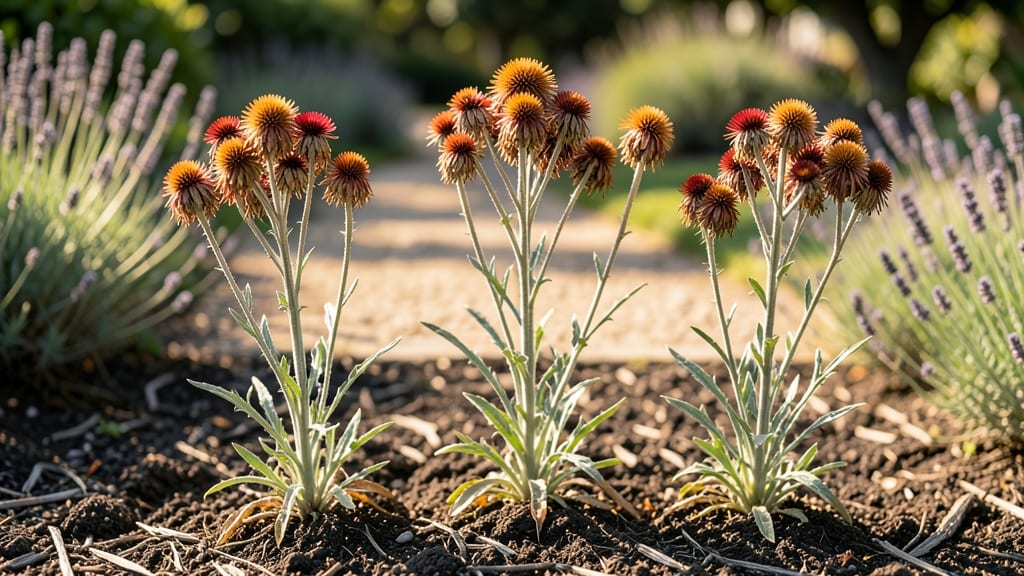
How to grow straw flowers is easier than you think—they bring that sun-drenched, paper-dry charm to borders with almost no effort. 🌻 I’ve grown them for years, and they’ve never failed to deliver those long-lasting, velvety blooms that look like pressed flowers—except they stay fresh for months. The secret? They’re tougher than they look, thriving in poor soil and drought once established.
You’ll need full sun (at least 6 hours daily), well-draining soil (they hate soggy roots), and patience—because these aren’t fast growers. Start with seeds in spring or cuttings in early summer, and watch them transform a dull border into a textured, golden-hued showstopper.
They even handle light frost, making them perfect for cooler climates.
Prune back in early spring to encourage bushier growth, and deadhead spent blooms to keep flowers coming. The drought tolerance is a game-changer—once rooted, they barely need watering. Yellowing leaves? Usually just thirst or overwatering. Slow growth? Likely too much shade.
By late summer, you’ll have clusters of papery blooms that last through fall, attracting bees and adding structure to your garden. They’re the low-maintenance superstars of perennial borders—just plant, forget, and enjoy. Ready to try?
📚 In This Guide
- What you need
- Instructions
- Tips and common mistakes
- Wrapping up and next steps
What you need
- ● Straw flower seeds or plants: Seeds: 1–2 packets (50–100 seeds per packet, depending on variety)
- ● OR Nursery-grown plants (3–5 mature plants for a small border)
- ● Well-draining soil: Mix 1 part potting soil with 1 part perlite or coarse sand (straw flowers hate soggy roots!)
- ● Containers or garden bed: Containers: 6–12-inch pots (1 plant per pot) with drainage holes
- ● Garden bed: Full sun spot (6+ hours of sunlight daily) with loose, rocky soil
- ● Fertilizer: Low-nitrogen, balanced granular fertilizer (e.g., 10-10-10) or slow-release pellets
- ● Watering can or hose with gentle spray nozzle
- ● Pruning shears (for shaping and deadheading)
- ● Mulch: Gravel or pebbles (to improve drainage and deter weeds)
- ● Slow-release fertilizer spikes (for container plants)
- ● Garden gloves (to protect hands from prickly stems)
- ● Dried flower preservative spray (if harvesting for arrangements)
- ● Support stakes or cages (for taller varieties like Helichrysum petiolare)
Step-by-step instructions for growing straw flowers
Here's the foolproof method I've used to grow these cheerful blooms year after year.
🌱 Step 1: Choose the Perfect Planting Location
Straw flowers thrive in full sun—at least 6-8 hours daily—so pick a spot with unfiltered afternoon light. I always test locations by placing a white board where I plan to plant; if it stays cool to the touch by midday, the spot gets too little sun. Their native dry, sandy soils mean they tolerate poor drainage better than most perennials, so rocky or well-drained areas work perfectly.
Wait until after your last frost date to plant, as these tender perennials won't tolerate freezing ground. You'll know it's time when your local nighttime temperatures consistently stay above 50°F and your garden soil feels warm to the touch about 2 inches down. This usually falls in late spring for most climates.
🪴 Step 2: Prepare the Soil and Plant
Straw flowers need minimal soil prep—just loosen the top 6 inches of soil with a garden fork to break up compaction. Their natural preference for sandy, well-draining soil means you don't need to amend heavy clay unless it stays soggy after rain. In those cases, mix in 2-3 inches of coarse sand or grit to improve drainage.
Space plants 12-18 inches apart in rows 18-24 inches apart for proper air circulation. Dig holes just deep enough to accommodate the root ball without burying the crown—this prevents rot. Water each hole thoroughly before planting, then place the plant so the top of the root ball sits ½ inch below soil level. Backfill with native soil and firm gently around the base.
☀️ Step 3: Water and Fertilize Strategically
Water deeply once a week during the first growing season, allowing the top 2 inches of soil to dry completely between waterings. Overwatering causes root rot, and these drought-tolerant plants will send up weak, leggy growth if kept too wet. You'll see healthy plants develop deep green, waxy leaves and sturdy stems—anything pale or yellow signals too much moisture.
Fertilize lightly in early spring with a balanced 10-10-10 fertilizer at half-strength. Straw flowers don't need much—too much nitrogen produces leafy growth at the expense of those signature papery blooms. After the first flush of flowers, apply a low-phosphorus fertilizer (like 5-10-10) to encourage more blooms without excessive foliage.
✂️ Step 4: Prune and Maintain for Long Bloom Time
Deadhead spent blooms by cutting back to the first set of healthy leaves below the flower head. This encourages continuous blooming throughout the growing season. I use clean, sharp pruners to make cuts at a 45-degree angle just above a leaf node—this prevents water from pooling and reduces disease risk.
In late fall, when foliage turns yellow and growth slows, cut back stems to 4-6 inches above ground level. This prevents flopping and makes it easier to spot new growth in spring. Mulch lightly with 2 inches of straw or leaves to protect roots from winter temperature swings, but avoid heavy mulch that could smother the crown.
⏰ Step 5: Overwinter and Prepare for Next Season
Straw flowers are hardy to USDA Zone 7 and can survive mild winters with proper protection. In colder zones, dig up tubers after the first frost, store them in a cool, dry place, and replant in spring. You'll know it's time to replant when you see new shoots emerging from the soil—this usually happens in early spring when nighttime temperatures stay above 40°F.
Divide clumps every 3-4 years in early spring to prevent overcrowding. Simply dig up the plant, separate the tubers with a clean knife, and replant the healthiest sections. This keeps your plants vigorous and ensures a steady supply of those cheerful blooms for years to come.
Tips & tricks for perfect straw flower planting
These simple yet game-changing strategies will help you cultivate vibrant straw flowers that thrive with minimal effort.
Sunlight Strategy: While the instructions specify 6-8 hours of full sun, I've found that morning sun paired with afternoon shade works surprisingly well in hotter climates. The key is to avoid the intense midday heat that can scorch tender new growth. If you're testing locations, consider placing your white board at both morning and afternoon positions—you'll notice the biggest temperature difference occurs between 11 AM and 2 PM.
Soil Prep Secret: For heavy clay soils that stay soggy, I recommend mixing in 3-4 inches of coarse sand instead of just 2-3 inches. The extra inch creates better drainage channels that prevent waterlogging. You can also add a handful of perlite to the planting hole itself—this creates instant drainage around the roots while keeping the rest of your garden soil intact.
Watering Wisdom: The once-weekly watering guideline assumes average rainfall. In my experience, you can stretch this to every 10-14 days once plants are established, especially in sandy soils. The real test is the soil: stick your finger 2 inches down—if it's completely dry, it's time to water. These drought-tolerant plants actually develop deeper roots when watered less frequently, making them more resilient.
Fertilizer Timing: I've discovered that applying the low-phosphorus fertilizer after the first flush of flowers (rather than just once) produces noticeably more blooms. The second application around mid-summer gives plants a second energy boost when they're preparing for fall blooms. Just be sure to use half-strength solution both times—these plants are sensitive to over-fertilization.
Pro Tips for Grow Straw Flowers
- These simple yet game-changing strategies will help you cultivate vibrant straw flowers that thrive with minimal effort.
- Sunlight Strategy: While the instructions specify 6-8 hours of full sun, I've found that morning sun paired with afternoon shade works surprisingly well in hotter climates.
- Soil Prep Secret: For heavy clay soils that stay soggy, I recommend mixing in 3-4 inches of coarse sand instead of just 2-3 inches.
Frequently asked questions
Got questions about growing straw flowers? You’re not alone! Here are answers to the most common queries—from timing to troubleshooting—to help you cultivate these cheerful blooms with confidence.
How long does it take for straw flowers to grow from seed?
Straw flowers (Helichrysum spp.) are fast growers! From seed, expect seedlings to emerge in 7–14 days with warm soil. Mature plants with vibrant blooms typically appear in 8–12 weeks, depending on sunlight and care. For quicker results, opt for nursery starts—they’ll flower in 6–8 weeks.
When is the best time to plant straw flowers?
Straw flowers thrive in spring or early summer after the last frost. They’re frost-sensitive, so wait until nighttime temps stay above 50°F (10°C). For year-round blooms in mild climates, plant again in late summer—just ensure they have 6+ hours of sun daily.
Why aren’t my straw flowers blooming?
Dull or non-blooming straw flowers often need a nudge! Check for:
- Light: Move to a sunniest spot (they wilt in shade).
- Water: Overwatering causes root rot—let soil dry slightly between waterings.
- Deadheading: Snip spent blooms to encourage continuous flowering.
- Fertilizer: Use a low-nitrogen feed (like 5-10-10) every 4–6 weeks.
Can I grow straw flowers in containers?
Straw flowers adapt well to containers 12+ inches deep with drainage holes. Use a light, well-draining mix (like cactus soil) and repot every 2 years to refresh nutrients. Choose compact varieties like ‘Limelight’ for small spaces—just ensure they get full sun.
Are straw flowers deer- or pest-resistant?
Straw flowers are deer-resistant (thanks to their silvery foliage), but watch for:
- Aphids: Spray with soapy water if you spot sticky leaves.
- Spider mites: Increase humidity or use neem oil.
- Powdery mildew: Space plants for airflow and avoid overhead watering.
How do I dry straw flowers for arrangements?
Drying straw flowers is a breeze! Bundle stems and hang them upside down in a dark, dry, well-ventilated space for 2–3 weeks. Alternatively, lay them flat on a screen for 1–2 weeks. Once fully dry, they’ll retain their color and texture for years—perfect for everlasting bouquets!
Wrapping up and next steps
Growing straw flowers is simpler than you think—just a splash of sunshine, well-draining soil, and a little patience! These easy-care stunners reward you with vibrant blooms that brighten borders with minimal fuss.
Whether you’re a gardening newbie or a seasoned pro, their resilience makes them a must-have for any sunny spot.
Ready to dive in? Start small—try a handful of seeds or cuttings this season, and let their cheerful faces inspire your garden’s next big project! 🌸✨