
Size
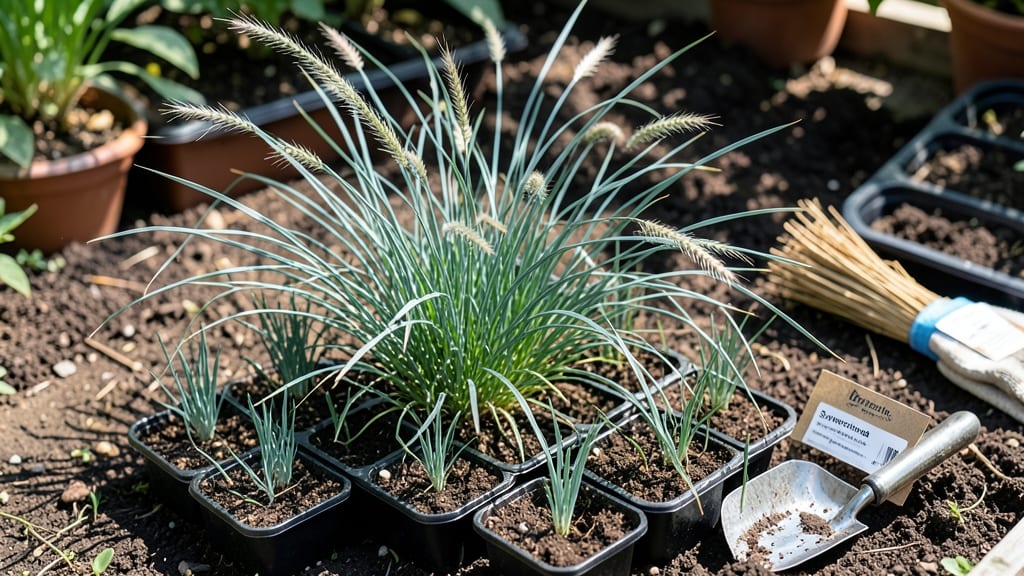
This sweetgrass grows where most plants won't—thriving in damp, shady spots with that signature vanilla scent. 🌿 I've learned the hard way that sweetgrass isn't your average ornamental grass; it demands patience and the right conditions to reward you with those iconic golden plumes.
The key isn't just planting—it's creating the perfect microclimate where it can spread naturally. You'll need a spot that stays moist but never soggy, with partial shade and rich, slightly acidic soil. Most gardeners overlook the importance of mimicking its native wetland edges, but that's where the magic happens.
Once established, it spreads aggressively (which is great for erosion control but bad for containment if you're not careful). By late summer, you'll see those signature seed heads forming—perfect for braiding or using in rituals.
The plants reach about 2-3 feet tall, creating a lush, swaying backdrop that moves with the breeze. Just don't expect instant results; it takes 2-3 years to reach full maturity and produce those sought-after plumes.
Works beautifully in rain gardens, along pond edges, or even in large containers with proper drainage. Here's how to get started without the common pitfalls that frustrate beginners."
📚 In This Guide
- What you need
- Instructions
- Tips and common mistakes
- Wrapping up and next steps
What you need
- ● Sweetgrass seeds: Opt for high-quality, organic seeds (1–2 oz per 100 sq. ft. for dense planting). Look for Hierochloe odorata or "vanilla grass" varieties.
- ● Well-draining soil: Mix 2 parts loamy soil with 1 part coarse sand or perlite to prevent waterlogging. Sweetgrass thrives in slightly acidic to neutral soil (pH 6.0–7.0).
- ● Sunlight access: A full-sun to partial-shade location (6+ hours of direct sunlight daily). Avoid deep shade.
- ● Watering can or hose: A gentle spray nozzle helps avoid displacing seeds.
- ○ Mulch (optional but recommended): Use straw or shredded leaves (1–2 inches thick) to retain moisture and suppress weeds.
- ● Fertilizer (light touch!): A balanced, slow-release fertilizer (10-10-10 or 5-5-5) applied once at planting (follow label rates). Sweetgrass is low-maintenance—over-fertilizing can harm it.
- ● Pruners or scissors: Sharp, clean tools for harvesting or trimming mature plants.
- ● Climate: Sweetgrass prefers cool to temperate zones (USDA Hardiness Zones 3–7). It’s cold-hardy but may struggle in extreme heat or humidity.
- ● Water needs: Keep soil consistently moist (not soggy) during germination (first 4–6 weeks). Once established, it’s drought-tolerant.
- ● Space: Plant seeds ¼–½ inch deep and 6–12 inches apart in rows 18 inches apart for optimal airflow.
- ● Patience: Germination takes 2–4 weeks, and full maturity (harvest-ready) occurs in 60–90 days.
- ● 🌡️ Timing matters: Sow seeds in early spring or late summer for best results. Avoid planting in frost or extreme heat.
- ● ✨ Native soil boost: If possible, incorporate composted native soil to mimic sweetgrass’s natural habitat.
- ● 🔄 Rotation hack: Sweetgrass self-seeds easily—let some stalks go to seed to propagate naturally!
Step-by-Step instructions for growing sweetgrass
Sweetgrass thrives with patience and the right conditions—here's how to cultivate it successfully.
🌱 Step 1: Choose the Right Location and Prepare the Soil
Sweetgrass loves full sun—at least 6-8 hours daily—and well-draining soil. I always pick a spot with morning sunlight and afternoon shade if summers run hot. Test your soil first: sweetgrass prefers slightly acidic to neutral pH (6.0-7.0). If your soil is heavy clay, mix in 2-3 inches of compost to improve drainage.
Loosen the top 6 inches of soil with a garden fork, removing any weeds or grass. Sweetgrass spreads slowly, so give it space—2-3 feet between plants ensures airflow and prevents disease. If planting in pots, use a 12-inch diameter container with drainage holes. The key here is avoiding soggy roots, which rot quickly.
🌱 Step 2: Plant Sweetgrass Seeds or Divisions
Sweetgrass grows from seed or divisions (root cuttings), but seeds take 2-3 years to mature. For faster results, I use divisions—dig up established clumps, separate the roots gently, and replant immediately. Each division should have 3-4 shoots and a good root system. Plant divisions 1 inch deep, pressing soil lightly around the base to secure them without compacting.
If starting from seed, scatter them ¼ inch deep in early spring after the last frost. Cover lightly with soil and mist gently—don’t water heavily, or seeds will wash away. Sweetgrass seeds germinate slowly, so be patient. You’ll see sprouts in 4-6 weeks, but don’t expect much growth the first year. Mark the spot with a stake to avoid disturbing it.
☀️ Step 3: Water and Maintain Through the First Year
Keep the soil evenly moist but not soggy for the first 6-8 weeks after planting. Water deeply 2-3 times per week, then taper off to once weekly once roots establish. Sweetgrass is drought-tolerant once mature, but young plants need consistent moisture. You’ll know it’s thriving when new growth appears bright green and upright—no yellowing or wilting.
Fertilize lightly in spring with a balanced 10-10-10 fertilizer—just ½ teaspoon per plant—to encourage lush growth. Too much fertilizer burns roots, so skip it after the first year. Mulch around the base with 1 inch of straw or pine needles to retain moisture and suppress weeds. This step is critical: mulch keeps roots cool and reduces watering needs.
✂️ Step 4: Harvest and Encourage Growth for Bundles
Sweetgrass is ready for harvesting when stalks reach 18-24 inches tall and have 3-4 nodes (the little bumps where leaves grow). Cut stems in the early morning with clean shears, leaving 4-6 inches of growth to regenerate. Bundle 5-7 stalks together with twine or raffia, and hang them upside down in a dry, shaded area for 2-3 weeks to dry completely.
To keep your patch productive, harvest no more than ⅓ of the plant at a time. Over-harvesting weakens the root system and slows regrowth. I harvest mine in late summer, just before flowering, for the sweetest scent. After drying, the bundles will keep for 6-12 months in a cool, dark place—perfect for smudging rituals or decor.
🌿 Step 5: Overwinter and Prepare for Next Year
Sweetgrass is hardy in USDA zones 3-9 and survives winter with minimal care. In colder climates, mulch heavily (3-4 inches) with straw or leaves to insulate roots. In mild winters, no extra protection is needed. Come spring, remove old mulch and add fresh compost to replenish nutrients. You’ll notice new shoots emerging in late April or early May—that’s your cue to thin out crowded areas.
This is the moment that matters: if your patch thrives, you’ll have enough for bundles within 2 years. Patience pays off—sweetgrass grows slowly but rewards you with fragrant, versatile stalks. Share divisions with friends or sell extras; it’s a plant that gives back as much as it takes.
Tips & tricks for perfect sweetgrass cultivation
Sweetgrass doesn't demand fancy tools or constant attention—just the right conditions and a little patience. Here's what I've learned after growing it successfully for years.
Sunlight Strategy: While sweetgrass needs full sun, I've found that morning sun with afternoon shade in hot climates actually produces healthier plants. The afternoon shade prevents the delicate leaves from scorching while still giving them the 6-8 hours of direct sunlight they crave. If you notice leaves curling or turning brown in intense afternoon heat, move your plants to a partially shaded spot for a few hours.
Soil Preparation Secret: The 6 inches of loosened soil in Step 1 is crucial for root development, but don't overlook the importance of removing all weeds first. Even small weed roots can compete aggressively with sweetgrass, which has a more delicate root system. I like to use a garden fork to gently turn the soil while pulling out any remaining weeds—this aerates the soil without compacting it, creating the perfect environment for those shallow roots to establish.
Watering Wisdom: Those first 6-8 weeks are critical for establishing your sweetgrass. I've learned the hard way that "evenly moist" doesn't mean constantly wet—overwatering is the fastest way to kill young plants. Water deeply 2-3 times per week, then check the soil moisture by sticking your finger about 1 inch down. If it's dry at that depth, it's time to water again. The goal is to keep the soil consistently moist without creating soggy conditions that lead to root rot.
Harvesting Timing: The 18-24 inch height recommendation in Step 4 is perfect, but I've found that harvesting in the early morning gives you the freshest, most fragrant stalks. The essential oils that give sweetgrass its signature scent are most concentrated right after dew has evaporated but before the heat of the day sets in. Plus, cutting in the morning means you can start your drying process immediately, without waiting for the next day.
Pro Tips for Grow Sweetgrass
- Sweetgrass doesn't demand fancy tools or constant attention—just the right conditions and a little patience.
- Sunlight Strategy: While sweetgrass needs full sun, I've found that morning sun with afternoon shade in hot climates actually produces healthier plants.
- Soil Preparation Secret: The 6 inches of loosened soil in Step 1 is crucial for root development, but don't overlook the importance of removing all weeds first.
Frequently asked questions
Got questions about growing sweetgrass?
Here are answers to the most common ones to help you cultivate this sacred plant with confidence!
How long does it take for sweetgrass to grow?
Sweetgrass is a fast grower! With proper care, you’ll see noticeable growth in 4–6 weeks. Full maturity (ready for harvesting) typically takes 3–5 months, depending on climate and soil conditions. Patience is key—rushing can weaken the plant.
Can sweetgrass survive winter?
Sweetgrass is perennial and hardy in USDA zones 3–9, but cold climates may require protection. In freezing areas, mulch the base with straw or leaves to insulate roots. If growing in containers, move pots to a sheltered spot or indoors (near a sunny window).
What can I do if my sweetgrass turns yellow or wilted?
Yellowing or wilting often signals overwatering, poor drainage, or nutrient deficiency. Check soil moisture—sweetgrass prefers well-draining soil and moderate watering (water when the top inch feels dry). Amend soil with compost or use a balanced fertilizer (10-10-10) every 4–6 weeks. Pests like aphids can also stress plants—spray with neem oil if needed.
Are there alternatives to sweetgrass for rituals or crafts?
Yes! If sweetgrass isn’t available, try cedar, sage, lavender, or wheatgrass for smudging or crafts. For landscaping, consider switchgrass, muhly grass, or ornamental grasses like fountain grass. Each has unique properties—cedar repels pests, while lavender adds fragrance. Just research their care needs!
When is the best time to harvest sweetgrass?
Harvest sweetgrass early morning after dew has dried but before the sun peaks (to preserve oils). Aim for late spring to early summer when stems are tall (12–18 inches) but still pliable. Avoid cutting more than 1/3 of the plant at once to encourage regrowth. Bundle fresh stalks and hang them to dry in a shaded, well-ventilated area.
Wrapping up and next steps
Growing sweetgrass is a rewarding journey that connects you to nature’s beauty and practicality—whether for sacred bundles, fragrant landscaping, or healing traditions. With the right sunlight, soil, and patience, you’ll soon enjoy its iconic plumes and earthy aroma.
Ready to dive deeper? Start small—plant a few seeds or cuttings this season and watch your sweetgrass thrive!
🌱 Next step: Pick a sunny spot, gather your supplies, and begin your sweetgrass adventure today!