
Size
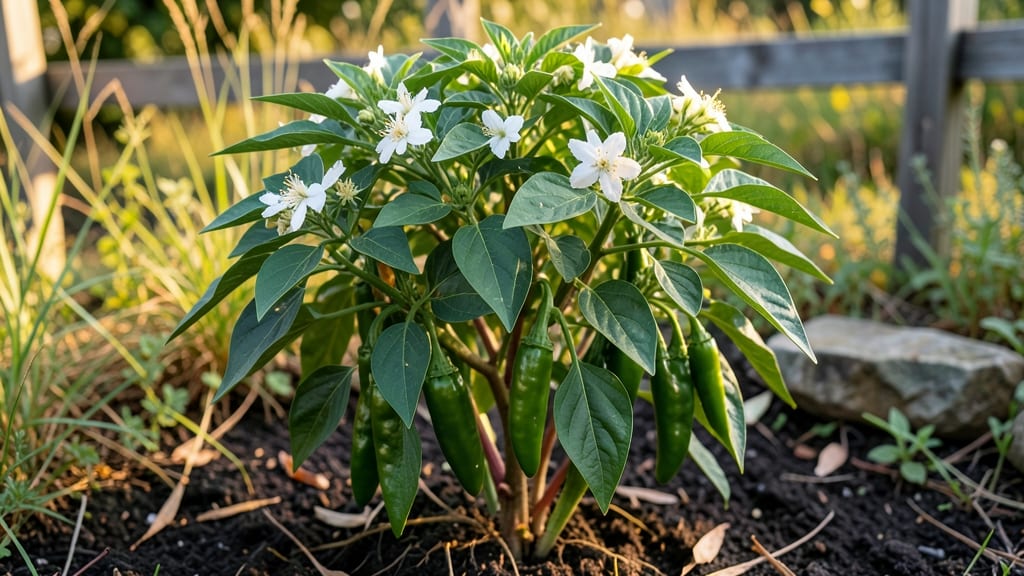
How to grow Tabasco peppers means fiery harvests by summer. 🌶️ I’ve grown these fiery little plants for years, and the secret to their legendary heat lies in the details—soil, heat, and patience. Most gardeners assume they’re high-maintenance, but with the right approach, they’re surprisingly forgiving for a pepper this potent.
Start with seeds in warm soil (70-80°F) or buy sturdy transplants after frost. Tabasco peppers crave full sun (6+ hours daily) and well-draining soil rich in compost.
Overwatering is their biggest enemy—keep soil moist but never soggy. Prune lightly to encourage bushier growth, and watch for pests like aphids (neem oil works great).
By mid-summer, you’ll see those signature long, slender peppers turning bright red—harvest when they’re firm and glossy. The heat builds as they ripen, so patience pays off. A single plant yields enough for homemade sauce or sharing with fellow spice lovers.
Perfect for hot climates but adaptable with containers in cooler zones. Here’s how to keep them thriving through every stage—no black thumb required.
📚 In This Guide
- What you need
- Instructions
- Tips and common mistakes
- Wrapping up and next steps
What you need
- ● Tabasco pepper seeds – Choose Capsicum frutescens varieties like 'Tabasco Red' or 'Tabasco Yellow' (5-10 seeds for a small harvest).
- ● Containers or garden bed – 5-gallon pots (for indoor/container growing) or well-draining soil in a sunny spot (6+ hours of sunlight daily).
- ● Potting mix – Lightweight, well-draining blend (e.g., 60% peat moss, 30% perlite, 10% compost).
- ● Fertilizer – Balanced 10-10-10 or organic options like fish emulsion (apply every 4-6 weeks).
- ● Watering can or hose – With a gentle spray nozzle to avoid damaging stems.
- ● Pruning shears – For trimming excess foliage or shaping plants.
- ○ Support stakes or cages – Optional but helpful for taller varieties (3-4 ft stakes per plant).
- ● Grow lights – If starting indoors before the last frost (LED full-spectrum bulbs work best).
- ● Mulch – Straw or shredded leaves to retain moisture and suppress weeds.
- ● Heat mat – For germinating seeds faster (70–85°F is ideal).
- ● Pest control – Neem oil or insecticidal soap (for aphids/spider mites).
- ● pH test kit – To ensure soil pH is between 6.0–7.0 (slightly acidic).
Step-by-step instructions for growing Tabasco peppers
Here's how I grow fiery Tabasco peppers from seed to harvest, ensuring robust plants that produce heat year after year.
🌱 Step 1: Start Seeds Indoors 8-10 Weeks Before Last Frost
Tabasco peppers thrive when started indoors because they need a long, warm growing season. Fill 2-3 inch deep seedling trays with sterile seed-starting mix and sow seeds ¼ inch deep, spacing them ½ inch apart. I like to use biodegradable pots so I can transplant without disturbing roots later.
Keep the soil consistently moist but not soggy—Tabasco seeds germinate best at 75-85°F. Place the tray under a grow light or in a sunny window, ensuring 14-16 hours of light daily. Germination takes 10-20 days, so patience is key. Once sprouts emerge, thin to the strongest seedling per pot.
☀️ Step 2: Harden Off and Transplant After Warm Soil
Two weeks before your last frost date, begin hardening off seedlings by placing them outside in a sheltered spot for 1-2 hours the first day. Gradually increase exposure over 7-10 days, watching for signs of stress like wilting or yellowing leaves.
Transplant outdoors only when soil temperatures reach 70°F or warmer—Tabasco peppers are heat-lovers and won’t tolerate cold soil. Space plants 18-24 inches apart in full sun, as they need 6+ hours of direct sunlight daily. Bury stems slightly deeper than the original pot to encourage root growth.
💧 Step 3: Water and Fertilize for Maximum Heat Production
Water Tabasco peppers at the base 1-2 inches deep every 3-4 days, allowing the top inch of soil to dry between waterings. Overwatering leads to blossom-end rot, so consistency is critical. I use a drip irrigation system to keep moisture even and prevent fungal diseases.
Feed plants with a balanced 10-10-10 fertilizer every 4-6 weeks once they’re established. When flowers appear, switch to a 5-10-10 formula to boost fruit production. Prune suckers (the small shoots that form in the leaf axils) to direct energy into pepper development.
✂️ Step 4: Harvest and Preserve for Year-Round Flavor
Tabasco peppers mature in 90-120 days, turning bright red when fully ripe. Harvest by snapping off the stem or cutting with pruners, leaving a small portion of the stem attached. For maximum heat, pick peppers when they’re fully red—green peppers are milder.
Use fresh peppers in recipes or ferment them into homemade Tabasco sauce. Store ripe peppers in the fridge for 1-2 weeks or freeze them for later use. I always save a few to dry, as dried Tabasco peppers retain their fiery kick for months.
Tips & tricks for growing Tabasco peppers
Took me years of trial and error to perfect these fiery plants—here's what actually makes the difference between puny peppers and a bumper crop of heat.
Germination Temperature: Those 75-85°F soil temps aren't just numbers—they're the sweet spot for Tabasco seeds to wake up. I use a seedling heat mat set to 80°F under my trays, which cuts germination time from 20 days to just 10-14 days. The moment you see sprouts, move them to bright light immediately—those little seedlings need 14-16 hours of light daily to avoid leggy, weak plants.
Transplanting Secret: The 70°F soil temperature threshold is non-negotiable for Tabasco peppers. I test soil temps with a thermometer before transplanting—cold soil shocks the roots and stunts growth. Bury stems slightly deeper than the pot level to encourage strong root development, and water thoroughly right after transplanting to reduce shock. Space those 18-24 inches apart—crowding leads to disease and weaker fruit.
Fertilizer Timing: That 10-10-10 fertilizer every 4-6 weeks is your foundation, but the switch to 5-10-10 when flowers appear is what boosts fruit production. I also add a handful of compost to each planting hole at transplant time—Tabasco peppers love organic matter but hate soggy soil. Prune those suckers religiously; every one you remove sends energy to your peppers instead of extra foliage.
Harvesting Hack: Wait for full red color before harvesting—green peppers contain only half the capsaicin (the compound that makes them hot) of ripe ones. I harvest by snapping the stem at the base rather than cutting, which prevents disease entry points. For maximum heat intensity, let a few peppers stay on the vine until they start to wrinkle slightly—they'll pack even more fire.
Pro Tips for Grow Tabasco Peppers
- Took me years of trial and error to perfect these fiery plants—here's what actually makes the difference between puny peppers and a bumper crop of heat.
- Germination Temperature: Those 75-85°F soil temps aren't just numbers—they're the sweet spot for Tabasco seeds to wake up.
- Transplanting Secret: The 70°F soil temperature threshold is non-negotiable for Tabasco peppers.
Frequently asked questions
Got questions about growing your own fiery Tabasco peppers? You’re not alone! Here are answers to the most common concerns—from impatient gardeners to spice enthusiasts—so you can grow bold, flavorful peppers with confidence.
How long does it take for Tabasco peppers to mature and produce fruit?
Tabasco peppers typically take 90–120 days from transplanting to harvest, depending on the variety. Early varieties like ‘Tabasco Short’ may ripen in as little as 75 days, while heirloom types can stretch closer to 150 days. Start seeds indoors 8–10 weeks before your last frost to ensure a timely harvest.
Can I grow Tabasco peppers in containers, and what size pot do I need?
Tabasco peppers thrive in 5-gallon containers or larger with drainage holes. Use a well-draining potting mix and place pots in full sun (6+ hours daily). Dwarf varieties like ‘Tabasco Red’ are ideal for containers. Just ensure the pot is at least 12–18 inches deep to support root growth.
Why aren’t my Tabasco peppers turning red? Are they still good?
Tabasco peppers start green and ripen to red (or other colors like yellow/orange). If they’re not changing color, check for sunlight (6+ hours daily), heat (70°F+), and proper fertilization. Green peppers are still edible but less sweet and aromatic. Patience pays off—ripe peppers pack maximum heat and flavor!
What pests or diseases should I watch for with Tabasco peppers?
Common threats include:
- Aphids/spider mites: Spray with neem oil or insecticidal soap.
- Blossom end rot: Ensure consistent watering and add calcium to soil.
- Fungal issues (like powdery mildew): Improve airflow and avoid overhead watering.
Can I save seeds from store-bought Tabasco peppers to grow my own?
Store-bought peppers are often hybrids, so saved seeds may not produce true Tabasco peppers. For consistent results, buy seeds from a reputable supplier. If you’re experimenting, try it—you might get a fun surprise! Just note that heat levels can vary in homegrown vs. commercial varieties.
Wrapping up and next steps
Growing your own Tabasco peppers is a rewarding journey that brings bold flavors and fiery satisfaction straight to your kitchen! With the right location, care, and patience, you’ll soon be harvesting peppers packed with that signature heat.
Whether you’re a seasoned gardener or a curious beginner, every step—from seed to sauce—is a chance to connect with the vibrant world of homegrown spice. 🌱
Now that you’ve got the know-how, roll up your sleeves and start planting! Share your progress with fellow pepper enthusiasts, experiment with recipes, or even gift your harvest to friends. The spiciest adventure awaits—let’s make it yours! 🔥