
How To
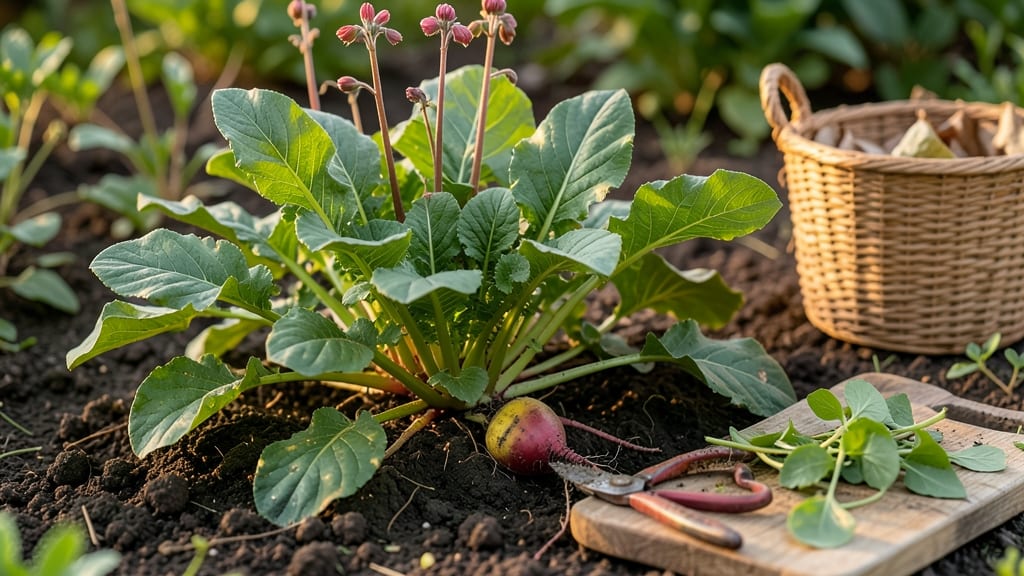
Harvesting and storing beetroot at the right time can mean the difference between a vibrant, sweet root and one that’s tough or flavorless. If you’ve ever pulled a beet from your garden only to find it’s past its prime by the time you use it, you’re not alone.
Beetroot 🍠 thrives when harvested at the perfect moment—when roots are firm, deep in color, and about 1-3 inches wide. But knowing when to harvest is just the first step.
The real challenge? Keeping those roots fresh for weeks or even months. Whether you’re prepping for winter soups or fresh salads, proper storage is key.
In this guide, I’ll walk you through the exact timing and techniques to harvest beetroot at its peak, plus the best methods to store it—whether you’re using your fridge, a root cellar, or freezing for later. No more wasted harvests or bland beets!
Ready to learn the secrets to longer-lasting flavor? Let’s get started with the steps that’ll keep your beetroot tasting fresh all season long.

When and how to harvest beetroot for maximum flavor and storage longevity
Harvesting beetroot at the right moment ensures peak sweetness and longer storage life. The ideal time falls between 50–70 days after planting, when roots reach 1–3 inches in diameter. For baby beets, harvest earlier at 40–50 days—they’re tender and sweeter when small.
Look for vibrant color and firm texture as key indicators. The top greens should be 4–6 inches tall and healthy, not wilted. If the leaves turn yellow or the roots feel soft, they’re past their prime and may spoil faster.
Weather plays a crucial role—harvest on a cool, dry day to prevent soil from clinging to roots, which can cause rot. Avoid harvesting after heavy rain, as wet soil makes roots more prone to disease and bruising.
Use a garden fork or hand trowel to loosen the soil around the beetroot before gently pulling it out. Never wash the roots immediately—soil acts as a protective barrier. Trim the greens to 1 inch above the root to reduce moisture loss and extend shelf life.
Wear gloves to protect your hands from beet juice, which can stain skin. If harvesting multiple beets, work in small batches to avoid crushing or damaging the roots. Store them in a shady, cool spot for a few hours before processing to let the soil dry slightly.
For long-term storage, remove loose dirt with a soft brush or damp cloth, but avoid soaking. Beetroot stores best in moisture-controlled environments, like a root cellar or plastic bag in the fridge. Properly stored, they can last up to 6 months.
✅ Key Harvesting Highlights
- 📅 Harvest Time: 50–70 days after planting (40–50 days for baby beets).
- 🍠 Root Size: 1–3 inches in diameter, firm and round.
- 🌡️ Weather: Cool, dry days only—avoid rain or extreme heat.
- ✂️ Trim Greens: Leave 1 inch above the root to slow moisture loss.
- 🧤 Tools: Garden fork, gloves, soft brush (never wash immediately).
- ⏳ Storage Prep: Let soil dry slightly before storing in cool, dark conditions.
If you’re growing multiple varieties, harvest them at slightly different times to stagger storage needs. For example, golden beets often mature faster than deep red varieties, so plan accordingly. This ensures a steady supply of fresh beets throughout the season.
After harvesting, inspect each root for cuts or bruises. Damaged beets won’t store well, so set them aside for immediate use in soups or roasts. The rest can be stored using methods like root cellaring, refrigeration, or freezing, which we’ll cover in the next section.
Pro tip: Label your stored beets with the harvest date to track freshness. A simple marker on a plastic bag works perfectly—this helps you use the oldest beets first and avoid waste.
Best beetroot storage methods compared: fridge, root cellar, freezing, and fermentation
Storing beetroot properly can extend its shelf life from weeks to months, preserving that sweet, earthy flavor you love. The right method depends on your goals—whether you want short-term freshness or long-term preservation. Let’s compare the best beetroot storage techniques, including shelf life, prep steps, and flavor retention.
For immediate use, refrigeration is the easiest option, while root cellars or freezing work best for long-term storage. Fermentation, though less common, adds probiotic benefits and extends flavor. Each method has trade-offs, so choose based on your storage space and how soon you’ll use them.
| Method | Prep Steps | Shelf Life | Flavor Retention | Best For |
|---|---|---|---|---|
| Fridge | Trim greens, leave roots whole, store in humidity-controlled drawer. | 2-4 weeks | High (best for short-term) | Quick meals, salads |
| Root Cellar | Cure roots for 24 hours, store in sand or sawdust at 32-40°F. | 4-6 months | Very high (ideal for winter) | Long-term storage |
| Freezing | Peel, trim, blanch 2-3 minutes, freeze in airtight bags. | 8-12 months | Moderate (best for cooked dishes) | Soups, stews, roasting |
| Fermentation | Slice thin, pack in brine (2% salt), ferment 3-7 days. | 6+ months | High (tangy, probiotic-rich) | Pickled snacks, gut health |
If you’re storing beetroot for immediate use, the fridge is your best friend. Simply trim the greens, leave the roots whole, and place them in a humidity-controlled drawer. They’ll stay fresh for 2-4 weeks, though flavor may fade over time.
For longer storage, a root cellar or even a cool basement mimics ideal conditions—just cure the roots first to toughen their skin.
For extended preservation, freezing is a game-changer. Blanch the beets first to halt enzyme activity, then freeze in airtight bags. This method works best for cooked dishes like soups or roasted sides, where texture changes are less noticeable.
Fermentation, while less common, adds a probiotic punch and tangy flavor—perfect for pickled snacks or gut-friendly additions to meals.
Choose your storage method based on how soon you’ll use the beets and your storage setup. A root cellar wins for flavor retention, while freezing is unbeatable for long-term bulk storage. Experiment to see which works best for your kitchen!
🌱