
How To
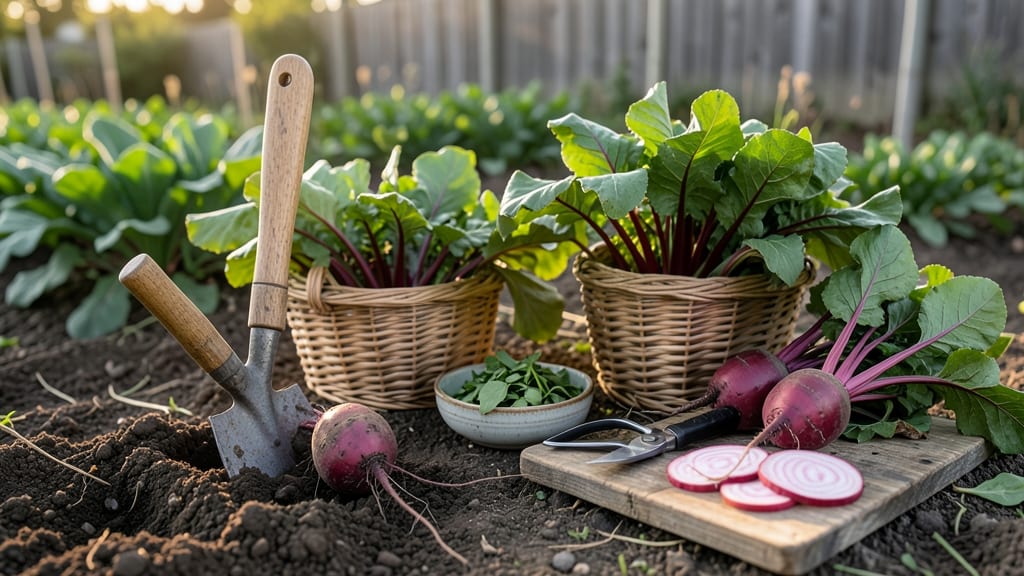
Harvesting and storing beets at their peak sweetness can turn your garden bounty into a year-round treasure—if you know the right tricks. 🍠 That earthy, vibrant root you’ve been nurturing deserves proper care to stay delicious long after the harvest.
Whether you’re roasting them for dinner or saving them for winter soups, timing and technique make all the difference.
Imagine pulling a beet from the soil, only to find it tough or bitter—frustrating, right? The key to avoiding that disappointment lies in knowing when to harvest and how to store them for maximum flavor.
I’ll show you exactly how to spot the perfect beet, from checking its size to assessing its color, so you never miss the sweet spot.
Once you’ve got your harvest, the next challenge is keeping those beets fresh for as long as possible. From short-term refrigeration to long-term freezing or even root cellaring, I’ll break down the best methods to preserve their texture and taste.
No more sad, wilted beets—just crisp, flavorful roots ready whenever you need them.
Ready to master the art of beet harvesting and storage? Let’s dive into the step-by-step guide that’ll have you enjoying homegrown beets all year round—no guesswork required.

When and how to harvest beets for maximum sweetness
Timing your beet harvest is everything—pull them too early, and they’ll be woody; leave them too long, and they’ll turn bitter or tough. The key is watching for visual cues that signal peak sweetness, which usually occurs 50-70 days after planting, depending on the variety.
For example, baby beets like 'Babybeat' are ready in just 45-50 days, while larger varieties like 'Detroit Dark Red' need closer to 70 days.
Start by checking the root diameter. Ideal harvest size is 1-3 inches across—any smaller, and they’ll be underdeveloped; any larger, and they’ll lose their tender texture. The top greens should also be 3-4 inches tall with vibrant, deep color.
If the leaves look wilted or the skin feels rough, it’s a sign the beet has overstayed its welcome in the ground.
Another foolproof trick is to gently wiggle the beet in the soil. If it comes out easily with minimal resistance, it’s ready. If it feels stubborn, give it another 1-2 weeks—but don’t wait too long, or the flavor will suffer.
Early morning is the best time to harvest because the soil is cooler and firmer, making it easier to dig without damaging the roots.
Use a fork or trowel to loosen the soil around the beet before pulling. This prevents the roots from breaking, which can lead to woodiness. Once unearthed, shake off excess dirt and trim the greens down to 1-2 inches above the root.
Leaving long stems can draw moisture from the beet during storage, speeding up spoilage.
| Harvest Cue | What to Look For | Action |
|---|---|---|
| Root Size | 1-3 inches in diameter | Harvest for baby beets or full-size roots |
| Top Greens | 3-4 inches tall, vibrant color | Trim to 1-2 inches above root |
| Skin Texture | Smooth and firm | Avoid if rough or cracked |
| Ease of Removal | Pulls out with gentle wiggle | Ready for immediate use or storage |
🌱 Pro Tip: Harvest on a dry, sunny day to let beets dry slightly before storage.
If you’re growing beets for their greens as well as roots, you can harvest the leaves multiple times throughout the season. Simply snip the outer leaves when they reach 6-8 inches tall, leaving the inner growth intact.
This method extends your harvest window and reduces waste, as beet greens are packed with nutrients like vitamin K and iron.
For continuous harvests, consider succession planting—sow new seeds every 2-3 weeks during the growing season. This ensures a steady supply of fresh beets without overcrowding your garden. Just be sure to space plants 2-3 inches apart to allow room for root expansion and prevent competition.
After harvesting, let the beets dry in the sun for 1-2 hours to toughen their skin slightly. This natural curing process helps them store longer without rotting. Once dry, store them in a cool, dark place (like a root cellar or basement) where temperatures stay between 32-40°F.
Avoid refrigerating whole beets until you’re ready to use them, as cold temperatures can convert their natural sugars into starches, dulling their flavor.
For immediate cooking, you can skip the drying step and store beets in the fridge for up to 2 weeks. Just wrap them in a damp paper towel and place them in a perforated plastic bag to retain moisture without suffocating the roots.
This method works well if you plan to roast, boil, or pickle your beets within a few days.
Finally, if you’re growing heirloom or specialty varieties, always check the seed packet for specific harvest recommendations. Some varieties, like 'Chioggia' (the candy-striped beet), may have slightly different timing or texture profiles. Paying attention to these details ensures you get the best flavor and texture from every harvest.
Best long-term storage methods to keep beets fresh for months
Once you've harvested your beets at peak sweetness, proper storage is key to preserving their flavor and texture. Whether you're planning to enjoy them in a few weeks or save them for winter meals, understanding the best methods will help you avoid waste and bitter flavors.
I've tested multiple techniques over the years, and some truly stand out for long-term freshness.
Beets are naturally high in moisture and sugars, which makes them prone to spoilage if not stored correctly. The good news? With the right approach, you can extend their shelf life from a few weeks to several months.
Let's explore the most effective storage methods, including refrigeration, freezing, and even root cellaring for the ultimate preservation.
Refrigeration
- Short-term storage (2-4 weeks)
- Quick access to fresh beets
- Minimal prep required
- Moisture loss
- Shriveling over time
Freezing
- Long-term storage (6-12 months)
- Batch cooking and prep
- Preserving peak flavor
- Texture changes (softer)
- Freezer burn if not sealed
Root Cellaring
- Traditional long-term storage
- Maintaining crisp texture
- Natural preservation
- Requires cool, humid space
- Limited to certain climates
Fermenting
- Probiotic-rich preservation
- Unique flavor profiles
- Long shelf life (years)
- Requires proper sanitation
- Time-intensive process
For short-term storage, refrigeration is the simplest method. After harvesting, trim the leafy greens to about 1 inch above the root, leaving the stem intact. This helps the beet focus its energy on storing nutrients in the root.
Wrap the beets loosely in a damp paper towel and place them in a plastic bag with a few small holes for air circulation. Store them in the crisper drawer of your fridge, where they'll stay fresh for 2-4 weeks.
If you're planning to store beets for months ahead, freezing is my top recommendation. Start by washing and peeling the beets, then cut them into uniform pieces—this ensures even cooking later.
Blanch the pieces in boiling water for 2-3 minutes, then immediately transfer them to an ice bath to stop the cooking process. Drain well and package in airtight freezer bags or containers, removing as much air as possible.
When stored properly, frozen beets retain their flavor for 6-12 months.
For a more traditional approach, root cellaring works beautifully if you have a cool, humid space like a basement or root