
How To
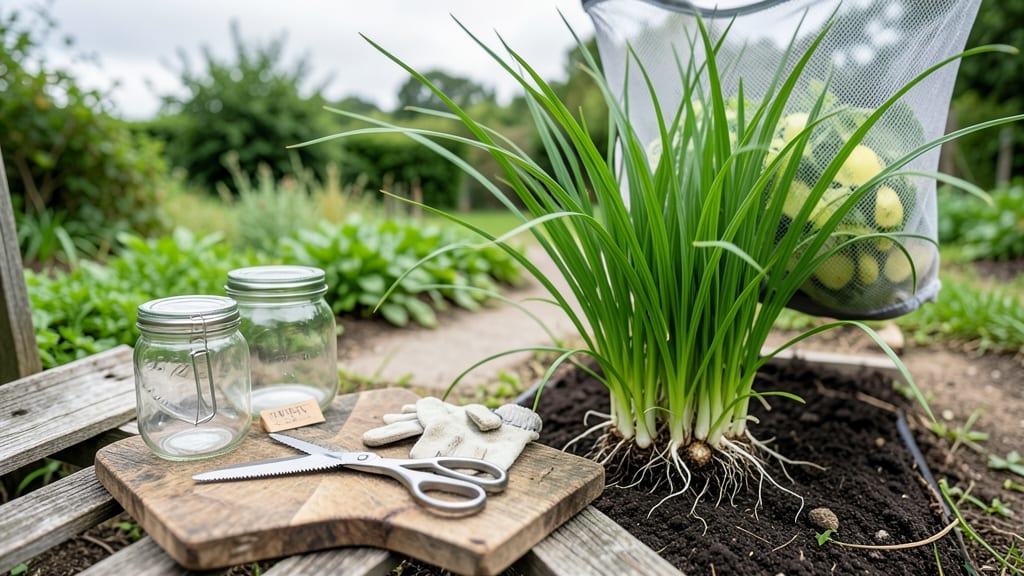
Harvesting and storing lemon grass the right way means the difference between a dish bursting with bright, citrusy flavor and one that falls flat.
Whether you're growing your own 🌿 or buying fresh stalks, knowing when to pick and how to preserve it will save you money and elevate your cooking.
Lemon grass reaches its peak flavor when harvested at the right time—typically 6-8 months after planting. But timing isn’t the only factor; the method you use to cut or pull the stalks matters just as much.
Get it wrong, and you’ll end up with bitter, woody stems instead of the tender, fragrant herb you crave.
Once you’ve harvested your perfect stalks, the real challenge begins: keeping them fresh for as long as possible. From refrigeration tricks to freezing and drying techniques, I’ll walk you through the best ways to store lemon grass so it stays vibrant and flavorful—ready to use whenever inspiration (or hunger) strikes.
Don’t let your hard-grown lemon grass go to waste. With these simple but effective strategies, you’ll maximize every stalk and enjoy its zesty punch in soups, teas, and marinades for months to come. Let’s dive into the details so you never have to settle for less than peak freshness.

When and how to harvest lemon grass for maximum flavor
Harvesting lemon grass at the right time ensures its signature citrusy aroma and bold flavor remain intact. The best time to harvest is when stalks reach 12-18 inches tall, typically 6-8 months after planting.
Look for yellowing lower leaves and a hollow stem when pressed—these are clear signs of maturity and peak flavor.
Use a sharp knife or pruning shears to cut stalks about 1-2 inches above the base. This encourages regrowth and ensures you capture the most flavorful portion of the plant. Avoid pulling stalks by hand, as this can damage the root system and weaken future harvests.
For continuous harvests, space cuts 4-6 weeks apart during the growing season. This method keeps your lemon grass productive and prevents overgrowth. In USDA Zone 6a, aim to harvest between late summer and early fall when temperatures are mild and plants are thriving.
If you’re harvesting store-bought lemon grass, choose stalks with tight, vibrant green leaves and a firm, white base. Avoid bunches with yellowing leaves or soft stems, as these indicate age and reduced flavor potency.
🌱 Lemon Grass Harvesting Summary
| Stage | Height | Leaf Condition | Best Time |
|---|---|---|---|
| Early Growth | Under 12" | All green | Avoid harvest |
| Ideal Harvest | 12-18" | Lower leaves yellow | Late summer-fall |
| Overgrowth | Over 18" | Mostly dry | Reduce flavor |
After harvesting, rinse the stalks under cool water to remove dirt, then pat dry with a clean towel. Trim off the tough green tops (about 2 inches from the base)—this section is less flavorful but perfect for homemade cleaning solutions.
Store the white, flavorful base immediately using one of the methods we’ll cover next.
Pro tip: Freeze harvested stalks whole before trimming if you won’t use them within 3-5 days. This preserves their aroma and flavor longer than refrigeration alone.
For immediate use, trim and store the bases upright in a glass of water in the fridge—this mimics their natural growing state and keeps them fresh for up to 2 weeks.
Never store lemon grass with ethylene-producing fruits like apples or bananas, as this gas accelerates spoilage. Keep it separate in the crisper drawer of your fridge for optimal freshness.
The stronger the citrus scent when you crush a stalk, the fresher and more flavorful it will be in your dishes.
If your lemon grass plants bolt (send up flower stalks) before harvest, act fast! Cut the flower stalks immediately to redirect energy back into leaf growth. This extends your harvest window by 2-4 weeks and ensures you get the most out of your plants before they go dormant.
For container-grown lemon grass, harvest more frequently—every 3-4 weeks—since space is limited. This prevents overcrowding and keeps plants compact and productive. Always leave at least 4-6 inches of growth between harvests to maintain plant health.
🌿 Remember, the earlier you harvest, the more regrowth you’ll encourage. With the right timing and techniques, your lemon grass can provide continuous harvests for years—even in USDA Zone 6a where winters are cooler.
Best lemon grass storage methods to preserve freshness
Storing lemon grass properly can extend its shelf life from weeks to months, ensuring you always have that bright citrus aroma ready for use. The key is choosing the right method based on how soon you plan to use it—whether you need short-term freshness or long-term preservation.
Each technique has unique benefits, so let’s break down the best options to keep your lemon grass potent and flavorful.
For short-term storage, refrigeration is the easiest way to keep lemon grass fresh for up to 2 weeks. Simply wrap the stalks in a damp paper towel, place them in a resealable plastic bag, and store them in the crisper drawer.
This mimics the humidity of a tropical environment, which lemon grass thrives in. The damp towel prevents the leaves from drying out while allowing airflow to avoid mold.
If you’re prepping for long-term use, freezing is your best bet. Trim the stalks, wrap them tightly in plastic wrap, and place them in a freezer bag. When stored this way, frozen lemon grass retains its flavor for up to 6 months.
To use, simply thaw the stalks in the fridge overnight or crush them directly into dishes while frozen for a more concentrated flavor.
Lemon Grass Storage Methods Compared
Refrigeration
- ✔ Keeps fresh for 2 weeks
- ✔ No prep required
- ✔ Easy access for cooking
- ✖ Flavor fades over time
- ✖ Risk of drying out
Freezing
- ✔ Lasts 6 months
- ✔ Preserves maximum flavor
- ✔ Space-efficient
- ✖ Requires prep (trimming, wrapping)
- ✖ Texture changes slightly
Drying
- ✔ Lasts 1 year in pantry
- ✔ Compact storage
- ✔ Great for teas and broths
- ✖ Loses some aroma
- ✖ Takes time to dry properly
Drying lemon grass is ideal if you want the longest shelf life possible—up to 1 year when stored in an airtight container away from light. Bundle the stalks and hang them upside down in a warm, dry place for about 2 weeks until the leaves are completely crisp.
Once dry, strip the leaves and store them in a sealed jar. Dried lemon grass is perfect for infusing oils, making teas, or adding to slow-cooked dishes where texture isn’t critical.
Avoid common mistakes like storing lemon grass with moisture trapped inside containers, which leads to mold. Also, never store it near strong-smelling foods, as lemon grass absorbs odors easily.
For best results, label your storage containers with the date of harvest so you can track freshness and use the oldest stalks first.
Whether you choose to refrigerate, freeze, or dry your lemon grass, the goal is to preserve its citrusy essence for as long as possible.
Experiment with these methods to find what works best for your lifestyle—whether you’re a daily cook or a weekend gardener looking to stock up for the future. 🌿