
How To
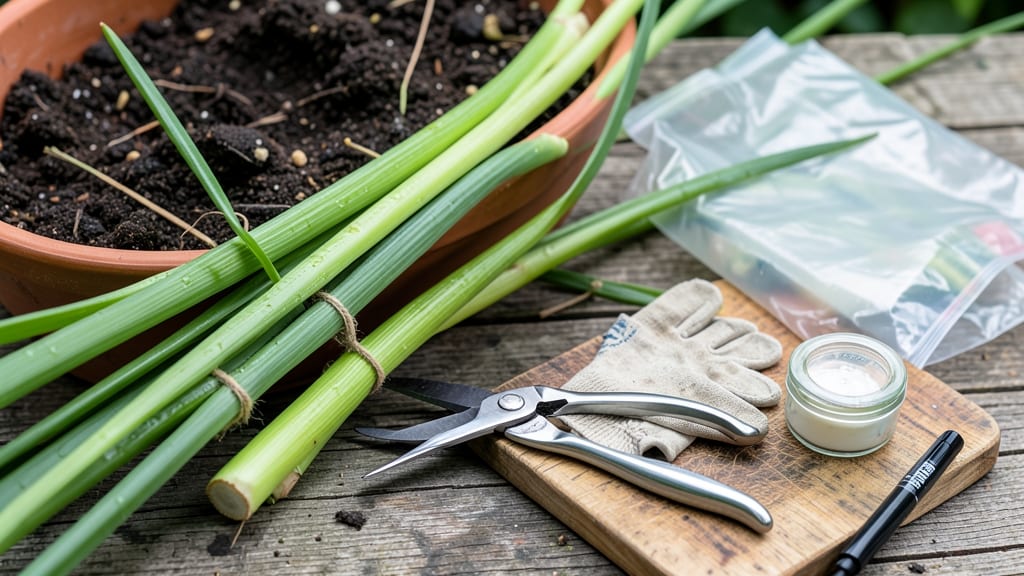
Harvesting and storing lemongrass the right way can turn a simple kitchen herb into a year-round flavor powerhouse—no more scrambling for fresh stalks when your favorite recipes call for it.
Whether you're growing 🌿 in your backyard or grabbing bundles from the market, knowing when to cut and how to preserve it makes all the difference in keeping that bright, citrusy punch intact.
I’ve tested every method, from freezing chopped lemongrass to drying whole stalks, and the results speak for themselves: proper storage means you’ll always have that restaurant-quality aroma ready to elevate curries, teas, or cocktails.
The key? Timing and technique—harvest at the right stage, and you’ll unlock flavor that lasts for months, not weeks.
If you’ve ever opened a container of lemongrass only to find it wilted or flavorless, you’re not alone. But here’s the good news: with just 3 simple steps, you can avoid common mistakes and keep your lemongrass fresh longer than you ever thought possible.
Let’s dive into the secrets that’ll have your pantry stocked with usable lemongrass all year round.
From tropical regions to cooler climates with winter protection, I’ll walk you through seasonal harvesting tips and the best storage methods for your lifestyle—whether you’re a busy home cook or a gardening enthusiast. Ready to master the art of preserving lemongrass? Let’s get started.

When and how to harvest lemongrass for maximum flavor
Harvesting lemongrass at the right time ensures the best flavor and aroma. The ideal harvest window is when stalks reach 12-18 inches tall, typically 60-90 days after planting. Younger stalks are tender and milder, while mature ones pack a stronger citrus punch—perfect for soups or teas.
Look for bright green, glossy leaves and a strong citrus scent when crushing a stalk. Avoid harvesting when leaves start yellowing or stalks become woody, as this signals overmaturity. Always harvest outer stalks first to encourage regrowth from the center.
Use a sharp knife or pruning shears to cut stalks cleanly at the base. This prevents damage to the plant and ensures future harvests. For container-grown lemongrass, trim stalks to 6-8 inches above the soil to maintain compact growth.
Timing matters too! Harvest in the morning when essential oils are most concentrated. If you’re harvesting multiple stalks, do it gradually over 2-3 weeks to avoid stressing the plant. This method keeps your lemongrass thriving for multiple harvests per season.
Pro tip: Label your stalks if storing for different uses. Whole stalks with roots intact store longer, while chopped lemongrass is best used immediately or frozen. Always leave 3-4 inches of stalk attached to the root to ensure regrowth.
In cooler climates (Zone 6+), harvest before the first frost (around November 1). If frost hits, bring potted lemongrass indoors to a sunny window. Even in warm zones, avoid harvesting during extreme heat (above 90°F), as this can reduce flavor potency.
🌿 Step-by-Step Lemongrass Harvest Guide
- Step 1: Check stalk height – Harvest when stalks reach 12-18 inches tall.
- Step 2: Inspect leaf color – Choose stalks with bright green, glossy leaves.
- Step 3: Test the scent – Crush a leaf; it should smell strongly citrusy.
- Step 4: Use sharp tools – Cut with clean shears or a knife at the base.
- Step 5: Leave regrowth – Trim to 6-8 inches above soil for future harvests.
- Step 6: Harvest in morning – Essential oils peak in cool morning hours.
Did you know? Lemongrass regrows quickly—with proper care, you can harvest every 6-8 weeks in warm climates. This makes it one of the most sustainable herbs to grow at home. Just ensure your soil stays moist but well-draining after harvest to support regrowth.
For container gardening, harvest more frequently (every 4-6 weeks) to prevent overcrowding. If your lemongrass starts flowering, trim the flower stalks immediately—they reduce flavor quality and divert energy from leaf growth.
Always wash harvested stalks gently under cool water to remove dirt, but avoid soaking, as excess moisture speeds up spoilage. Pat dry with a paper towel before storing to maintain freshness.
Best methods to store lemongrass long-term (fresh, frozen, OR dried)
Once you’ve harvested your lemongrass, proper storage is key to preserving its citrusy aroma and flavor.
Whether you’re prepping for winter or just want to reduce waste, I’ll walk you through the best methods—fresh, frozen, or dried—so you always have it on hand for soups, teas, or cocktails.
Each method has its own shelf life and best use case. For example, whole stalks stored in water last 2-3 weeks in the fridge, while dried lemongrass keeps for up to 6 months in an airtight container.
Let’s dive into the details so you can pick the perfect approach for your needs.
| Method | Prep Steps | Storage Life | Best For |
|---|---|---|---|
| Fresh (Whole Stalks) | Trim roots, store upright in 1 inch of water in a sealed container. | 2-3 weeks in fridge. | Immediate use, soups, or garnishes. |
| Fresh (Chopped) | Chop stalks, store in airtight container with a damp paper towel. | 1 week in fridge. | Quick recipes, marinades, or teas. |
| Frozen (Whole) | Trim roots, wrap tightly in plastic wrap or vacuum-seal. | 6-12 months in freezer. | Long-term storage, bulk cooking. |
| Frozen (Chopped) | Chop and store in ice cube trays with water or oil, then transfer to freezer bag. | 6-12 months in freezer. | Convenient portions for recipes. |
| Dried | Bundle stalks and hang in dry, dark place for 2-3 weeks, then strip leaves and store in airtight container. | 6-12 months in pantry. | Teas, broths, or long-term spice blends. |
If you’re short on time, freezing is my go-to method for preserving lemongrass. It locks in the flavor and makes it easy to grab for recipes. Just chop the stalks, place them in ice cube trays with a little water or oil, and freeze.
Once solid, pop them out and transfer to a freezer bag. This way, you can add lemongrass cubes directly to soups or curries without thawing.
For a longer shelf life, drying is ideal if you’re planning to use lemongrass in teas or spice blends. Bundle the stalks and hang them upside down in a dry, dark place for 2-3 weeks.
Once fully dried, strip the leaves and store them in an airtight container. The dried leaves will keep their aroma for months, making them perfect for infusing oils or adding to homemade broths.
No matter which method you choose, always label your lemongrass with the date to keep track of freshness. And remember, quality over quantity—a small batch stored properly will always taste better than a large batch that’s been sitting too long.