
How To
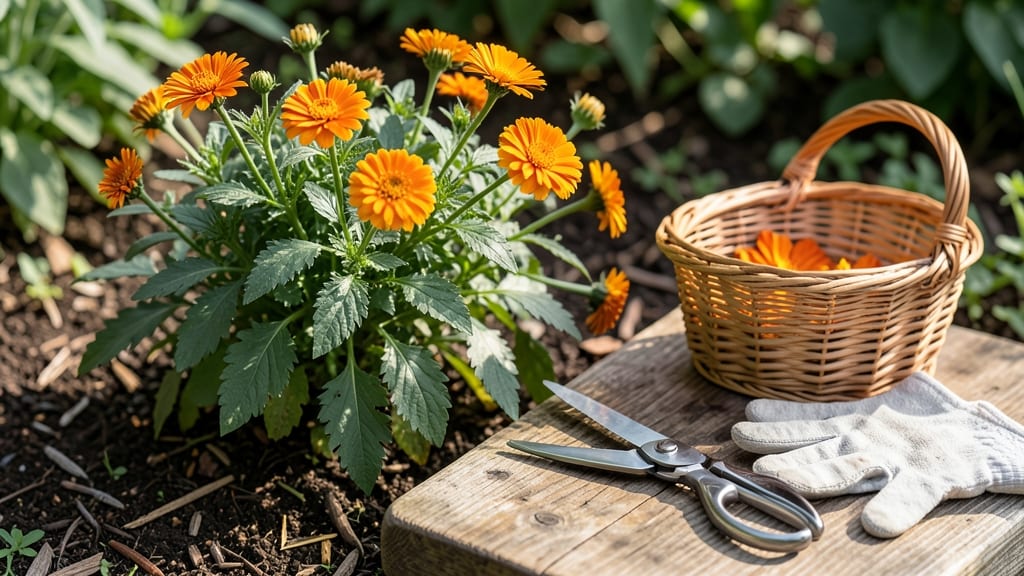
Harvesting calendula 🌼 for tea isn't just about plucking pretty petals—it's about capturing the peak medicinal potency and vibrant flavor that makes this golden flower so special. If you've ever sipped a homemade calendula tea only to be disappointed by weak flavor or bitter notes, you're not alone.
The secret lies in knowing exactly when and how to harvest these sun-loving blooms for the most soothing, therapeutic cup.
Timing is everything with calendula tea harvests. You'll want to focus on fully open flowers in the morning after the dew has dried, when their oils are at their strongest. But here's the catch: picking too early or too late can turn your tea into a flavorless letdown.
I'll show you how to spot the perfect moment—when the petals are bright and fully unfurled but before they start browning at the center.
Beyond timing, there's an art to actually harvesting these delicate blooms. You'll learn the proper cutting technique to preserve their healing properties, how to dry them correctly to maintain their therapeutic benefits, and smart storage tips that keep your tea tasting fresh for months.
Whether you're a seasoned gardener or just starting your calendula journey, these insider tricks will transform your harvest from good to extraordinary.
Ready to unlock the full potential of your calendula plants? From summer's peak harvest season to storing your dried petals for winter sipping, I'll walk you through every step—so you can enjoy the warm, comforting benefits of homemade calendula tea all year round.
Let's get started with your first perfect harvest.

Best time to harvest calendula flowers for tea potency
Harvesting calendula at the right stage ensures your tea has the brightest flavor and maximum medicinal properties. The ideal time is when flowers are fully open but before their centers turn completely brown—this is when flavonoids and antioxidants peak.
I’ve found that morning harvests (after dew dries) yield the freshest petals, as evening humidity can dilute potency.
Weather plays a crucial role too. Harvest on dry, sunny days to avoid damp petals that spoil faster. If rain is forecast, pick early to let flowers dry naturally. Overcast days can also reduce flavor intensity, so prioritize clear mornings.
Pro tip: Harvest every 2-3 days during peak bloom (June-October) to encourage continuous flowering.
Look for these 3 key signs of readiness: fully open petals, vibrant color, and a slightly brown center. Avoid harvesting when petals are still tightly closed—they’ll lack the full spectrum of beneficial compounds. I once picked too early and my tea tasted bland; lesson learned!
| Stage | Petal Condition | Flavor/Potency | Best Time to Harvest |
|---|---|---|---|
| Early Bloom | Partially open, pale | Low | Avoid |
| Full Bloom | Open, vibrant color | High | Ideal |
| Late Bloom | Brown center, wilting | Medium | Use if needed |
Seasonal timing matters too. In USDA Zone 6a, I harvest from late June through September, avoiding the first frost. Early morning is best because dew can weaken petals, and afternoon heat might stress the plant. Always use clean, sharp scissors to avoid damaging stems—this encourages more blooms.
Did you know? Calendula’s orange petals contain carotenoids that boost tea’s antioxidant levels. The deeper the color, the higher the potency. I test petal vibrancy by holding them up to sunlight—bright yellow-orange means peak harvest time. If they look dull, wait another day or two.
Another pro tip: Harvest on a cycle. Pick every 2-3 days during peak season to maintain plant health. Over-harvesting can stress calendula, reducing future blooms. Balance is key—aim for 30-50% of flowers per harvest to keep your plants thriving.
Weather extremes can throw off your timing. Afternoon heatwaves (above 90°F) can cause flowers to close prematurely, while humid mornings may leave petals damp. I’ve learned to check the weather forecast and adjust my harvest schedule accordingly—sometimes that means picking at 10 AM instead of 8 AM.
For maximum tea quality, harvest when flowers are fully open but before the center turns brown. This 3-day window is your sweet spot. Miss it, and you’ll either get underripe petals (mild flavor) or overripe ones (bitter taste).
I mark my calendar with peak bloom dates each season to stay on track.
One final tip: Rotate your harvest locations in the garden to avoid over-picking one area. This keeps your calendula plants healthy and productive all season long. With the right timing, you’ll enjoy bold, healing calendula tea all summer! 🌼
Best time to harvest calendula flowers for tea potency
Harvesting calendula at the right stage transforms your tea from bitter to healingly sweet. The peak potency occurs when flowers are fully open but before their centers turn fully brown—a window that lasts just 2-3 days.
Morning harvests yield the brightest flavor since evening dew can dilute essential oils.
Look for vibrant orange-yellow petals that are fully unfurled but still firm to the touch. The center disk should show early browning (not black or crispy). Avoid harvesting when pests like aphids are visible—they contaminate your tea with unwanted flavors.
Weather plays a critical role. Harvest on dry, sunny mornings after dew has evaporated (around 8-10 AM). Cloudy days or high humidity can delay drying, risking mold in your petals. Skip harvesting after rain or when flowers feel damp to the touch.