
How To
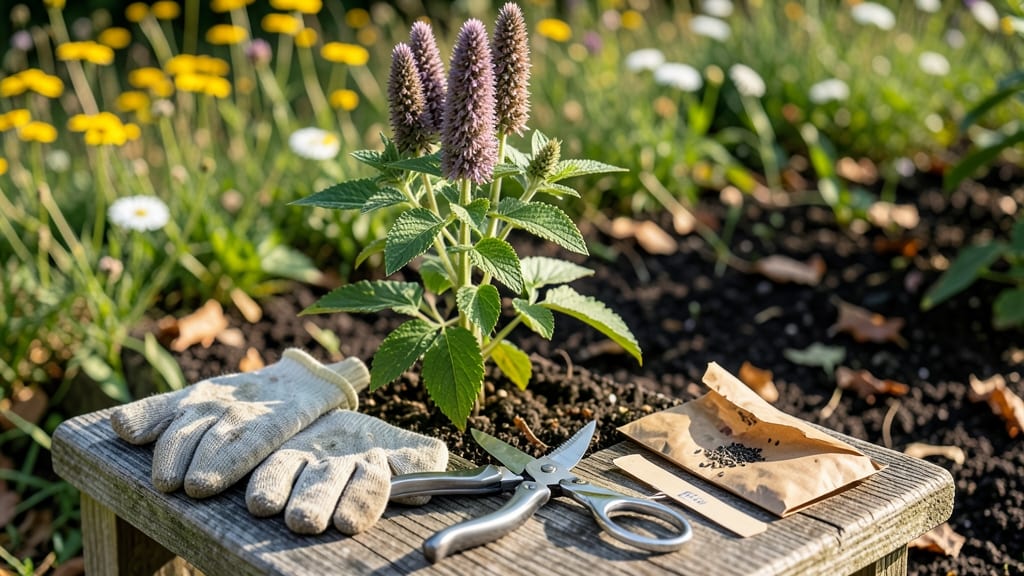
If you're dreaming of a thriving catnip patch 🐱 next spring, mastering how to harvest catnip seeds could save you time and money—while ensuring the strongest possible plants.
Timing is the key to success here. Harvest too early, and your seeds won’t germinate well. Too late, and you risk losing them to weather or pests. I’ll show you exactly when to look for those telltale brown seed pods and how to handle them like a pro.
Beyond just cutting, you’ll discover the best drying methods to preserve viability and storage tricks that keep seeds fresh for years. Whether you’re growing for your feline friends or future gardens, these steps will give you the best possible start.
Let’s walk through the process step by step—so you can turn this year’s harvest into next year’s lush, healthy plants with minimal effort.

When to harvest catnip seeds for maximum germination potential
Harvesting catnip seeds at the perfect moment is key to achieving 90%+ germination rates. Most gardeners miss the window because they focus on leaf harvest instead of seed maturity.
The best time to harvest is late summer to early fall, typically August through September, when seed pods turn brown and begin cracking open naturally.
Look for brown seed pods that rattle when shaken—a clear sign seeds are ready. If pods remain green or firm, they’re not mature yet. Environmental factors like temperature and sunlight also play a role: cooler fall mornings and full sun exposure speed up the drying process, ensuring seeds ripen faster.
Catnip plants follow a predictable cycle: they flower in mid-summer, then produce seeds by late summer. If you miss this window, seeds may scatter or become less viable. Premature harvesting (when pods are still green) leads to poor germination, while waiting too long risks seed loss to birds or weather.
| Stage | Seed Pod Color | Seed Maturity | Germination Potential |
|---|---|---|---|
| Early Flowering | Green | Immature | 0% |
| Mid-Summer | Light Green/Brown | Partially Mature | 30-50% |
| Late Summer | Brown (Cracking) | Fully Mature | 90%+ |
| Fall (Overripe) | Dark Brown (Split Open) | Dry/Scattered | <50% |
To maximize yield, harvest seeds on a dry, sunny morning when humidity is low. This reduces mold risk during drying. Catnip thrives in full sun, so plants in shadier spots may take longer to mature seeds—watch them closely for color changes.
Pro tip: Mark your calendar for early August to start monitoring seed pods. If your climate has early frosts, harvest seeds before the first frost to avoid damage. Southern gardens can harvest later (September-October), while northern regions should act by mid-September.
Once pods turn brown, they’ll crack open within 3-5 days. Shake a pod over a paper bag—if seeds rattle and fall out easily, they’re ready. If seeds stick or are still white, wait another week. Patience here pays off with higher germination rates.
Harvesting at the right time also ensures stronger seedlings next season. Mature seeds store better and sprout faster than immature ones. For best results, aim to harvest when 70-80% of pods show brown coloration—this balances yield with viability.
Remember, catnip seeds are lightweight and easily scattered by wind or birds. If left too long, they’ll disperse naturally, reducing your harvest. Act quickly once pods brown to secure the best yield for your garden.
For USDA Zone 6a (like much of the Midwest), target late August for harvesting. Adjust 1-2 weeks earlier for cooler zones or later for warmer climates. Track your local frost dates to plan accordingly.
With the right timing, you’ll harvest hundreds of seeds per plant, enough to replant or share with fellow gardeners. Save seeds from your healthiest plants for the best germination results next year.
Step-by-step catnip seed harvesting process with pro tips
Now that you've identified the perfect catnip seed pods, it's time to harvest them properly. Start by using clean, sharp scissors or pruning shears to cut the seed heads when they're fully mature. Avoid pulling stems, which can damage the plant and reduce future yields.
Gently place the harvested seed heads in a paper bag or breathable container. This allows airflow while preventing moisture buildup, which is crucial for preventing mold during the drying process. Label your bags with the harvest date to track freshness.
✅ Step-by-Step Catnip Seed Harvesting
- 1. Cut seed heads when pods turn light brown and begin cracking.
- 2. Bundle 5-10 stems together with twine for easy hanging.
- 3. Hang bundles upside down in a dry, dark place with good airflow.
- 4. Dry for 1-2 weeks until pods are completely brown and brittle.
- 5. Rub dried pods between hands to release seeds into a clean container.
- 6. Store seeds in a paper envelope or airtight container in a cool, dark place.
For a more controlled drying method, spread seed heads on a clean paper towel in a single layer. Place them in a warm, dry location away from direct sunlight, checking daily to ensure they don't dry too quickly.
Proper drying takes patience—rush this step, and you risk seeds losing viability.
Once completely dry, gently rub the seed heads between your hands over a clean white sheet of paper to separate the seeds. Discard any remaining plant debris and store only the clean seeds. This method helps you collect 90%+ of viable seeds from each harvest.
Test seed viability by placing a few seeds in a glass of water. If they sink, they're likely viable for planting. Store your seeds in a paper envelope rather than plastic to prevent moisture buildup, which can cause mold and reduce germination rates over time.
Label your seed storage with the harvest year and variety if you're growing multiple types. Properly stored catnip seeds remain viable for 2-3 years, giving you plenty of time to grow fresh plants for next season's garden.