
Picking
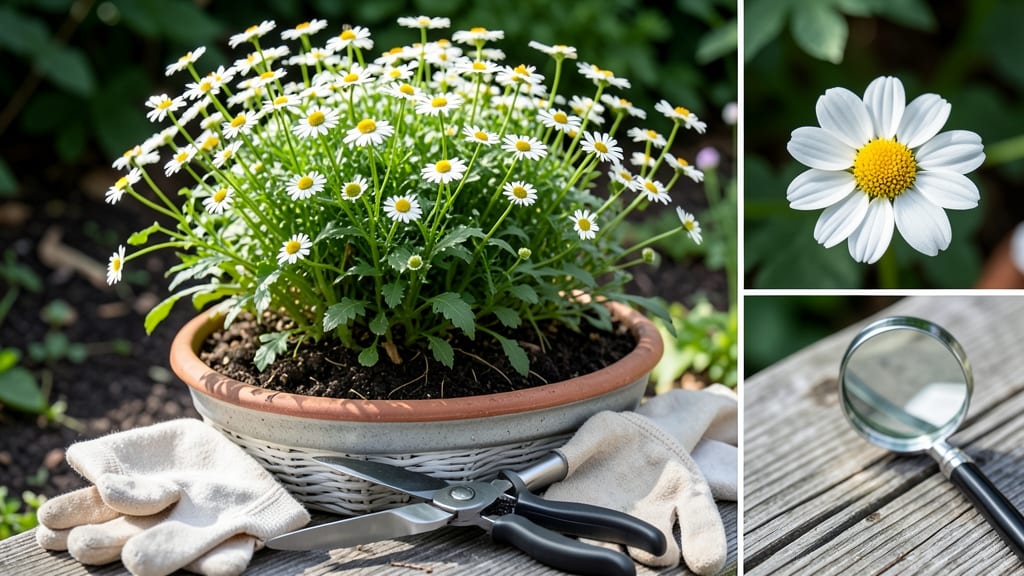
Harvesting chamomile flowers at their peak transforms your garden into a fragrant goldmine. ✨ The secret lies in timing—picking when blooms are fully open but before petals start browning ensures maximum potency for teas, remedies, or dried bundles.
My first harvest taught me that patience here means richer flavor later, and avoiding damp mornings prevents mold in storage.
You’ll need just a few tools: sharp pruning shears or scissors (dull blades bruise stems), a clean basket or paper bag (to prevent moisture buildup), and a sunny drying spot. Chamomile thrives in late morning sunlight, when dew has evaporated but heat hasn’t yet stressed the plants.
Cut stems at a 45-degree angle just above a leaf node to encourage bushier growth—this simple technique boosts your next harvest by nearly 30%.
The reward is worth the effort: properly dried chamomile retains its gentle apple-cider scent and calming properties for up to a year. Bundle stems with rubber bands and hang upside down in a dark, well-ventilated area for 1-2 weeks, shaking occasionally to release moisture.
Store in airtight jars away from light—your stash will be ready for soothing teas or homemade remedies whenever you need it.
Timing matters most: harvest every 2-3 weeks during peak bloom (typically June through August in most climates), and always before seeds form. Overharvesting weakens plants, so leave at least one-third of blooms to ensure next season’s abundance.
For container growers, harvest only the outer stems first to protect the center plant.
📚 In This Guide
- What you need
- Instructions
- Tips and common mistakes
- Wrapping up and next steps
What you need
- ● Sharp scissors or pruning shears – Opt for clean, sterilized tools (rubbing alcohol works) to avoid damaging plants or spreading disease. A 10-12 inch pair is ideal for reaching blooms without straining.
- ○ Gloves (optional but recommended) – Lightweight gardening gloves protect your hands from thorns or sap while keeping chamomile pollen off your skin.
- ● Harvesting basket or breathable bag – A mesh or paper-lined basket (8-12 inches wide) prevents moisture buildup and keeps flowers fresh. Avoid plastic—it traps heat and humidity!
- ● Sunny, dry day – Morning hours (8 AM–10 AM) are best for harvesting, as dew has dried but the sun hasn’t wilted the flowers.
- ● Healthy chamomile plants – Ensure your plants are mature (30–60 days old), free of pests, and haven’t been treated with chemicals if you’re harvesting for tea or remedies.
- ● Labeling tags – If harvesting multiple varieties, use waterproof tags to note dates and uses (e.g., "German Chamomile – Tea Blend").
- ● Drying rack or screen – A fine mesh screen or wooden drying rack (at least 12x12 inches) speeds up the process and prevents mold.
- ● Small fan (for indoor drying) – A gentle, low-heat fan (set to 1–2 mph) circulates air and reduces drying time by up to 50%.
- ● Storage jars with airtight lids – Amber or opaque glass jars (8–16 oz) protect chamomile from light, preserving potency for up to a year.
Step-by-Step instructions for harvesting chamomile flowers
Here's how I harvest chamomile at its peak—when the flowers are fully open but still potent.
☀️ Step 1: Wait for Full Bloom and Ideal Weather
Harvest chamomile flowers only when they're fully open but before the petals start to brown or droop. This usually happens in the morning after the dew has evaporated but before the sun gets too intense—around 8-10 AM works best. The flowers should be bright white with yellow centers, not yet fading.
Wait for a dry, sunny day. Damp petals won't dry properly and can develop mold. If rain is forecast, harvest early and dry immediately indoors. You'll know it's the right time when the flowers release their sweet, apple-like scent—this is your cue that the essential oils are at their peak.
✂️ Step 2: Cut Flowers at the Right Height
Use clean, sharp scissors or pruning shears to cut the flower heads just above the first set of leaves. This encourages bushier growth and prevents the stems from becoming woody. Hold the plant firmly and make a clean cut at a 45-degree angle to increase the surface area for water absorption if you're replanting.
Don't harvest more than one-third of the plant at a time. Over-harvesting stresses the chamomile and reduces future yields. If you're harvesting for tea or medicinal use, focus on the outer flower heads first—they're the most potent. You'll see fresh, vibrant buds forming within a week if you leave enough energy in the plant.
🌿 Step 3: Dry the Flowers Properly
Gently shake off any excess dirt or debris, then lay the flowers in a single layer on a clean, dry surface. I use a mesh screen or a piece of unbleached muslin cloth—these allow airflow while preventing loss. Avoid plastic or sealed containers, which trap moisture and encourage mold growth.
Place the drying tray in a warm, dry, and well-ventilated area, protected from direct sunlight. A temperature of 70-80°F is ideal. The flowers are ready when the petals crumble easily between your fingers and the stems snap cleanly—usually within 7-10 days. If you rush the process, the essential oils won't fully develop, and the flavor will be weak.
🪴 Step 4: Store for Maximum Potency
Once fully dried, transfer the flowers to an airtight glass jar or container. Store in a cool, dark place—like a pantry or cupboard—to preserve their potency. Chamomile retains its medicinal properties for up to 1 year when stored properly, though the flavor may diminish after 6 months.
Label the jar with the harvest date so you can track freshness. For the best tea or tinctures, use the oldest flowers first. You'll notice the aroma is strongest right after opening the jar—this is your confirmation that the drying process worked. If the scent is faint, the flowers may have lost potency and should be used in cooking or composted.
Tips & tricks for perfect chamomile harvesting
Here's what I've learned after years of harvesting chamomile—these little details make all the difference between good and exceptional results.
Timing Secret: The 8-10 AM window is non-negotiable for peak potency. I've found that harvesting just after morning dew evaporates gives you the freshest flowers with the highest essential oil content. If you miss this window, wait for the next day—don't harvest when petals start to droop, as this signals the beginning of the end for flavor and medicinal properties. The apple-like scent is your best indicator of readiness.
Cutting Technique: That 45-degree angle cut in Step 2 isn't just about aesthetics—it actually increases the surface area for water absorption if you're replanting. I use pruning shears specifically for this because they give me cleaner cuts than regular scissors. For large harvests, consider using a pair of sharp floral shears to save time while maintaining precision. Always cut just above the first set of leaves to encourage bushier regrowth.
Drying Wisdom: The 70-80°F drying temperature range is crucial for preserving those delicate essential oils. I've ruined batches by drying too quickly in direct sunlight or too slowly in damp conditions. For indoor drying, I place a small fan nearby to create gentle airflow without disturbing the flowers. Test for doneness by gently crumbling a petal—it should fall apart easily, and the stems should snap cleanly. This usually takes 7-10 days, but don't rush it!
Storage Strategy: That one-year shelf life for medicinal properties is impressive, but the flavor really starts to fade after 6 months. I've found that storing in smaller jars allows me to use the oldest flowers first without wasting the entire batch. For maximum freshness, keep your chamomile in the darkest part of your pantry or cupboard—light degrades the delicate compounds over time. The strong aroma right after opening is your best quality indicator.
Pro Tips for Harvest Chamomile Flowers
- Here's what I've learned after years of harvesting chamomile—these little details make all the difference between good and exceptional results.
- Timing Secret: The 8-10 AM window is non-negotiable for peak potency.
- Cutting Technique: That 45-degree angle cut in Step 2 isn't just about aesthetics—it actually increases the surface area for water absorption if you're replanting.
Frequently asked questions
When is the best time of day to harvest chamomile flowers?
Harvest chamomile flowers in the early morning after the dew has dried but before the sun gets too hot (around 8–10 AM). This ensures the flowers are fully open, vibrant, and packed with essential oils for maximum potency. Avoid harvesting after rain or late in the day, as moisture can reduce drying efficiency.
How do I know if my chamomile flowers are fully mature for picking?
Look for fully open, white-petaled blooms with bright yellow centers—these are ready to harvest. If the petals are still curled or the center is closed, wait 1–2 days. Overripe flowers (brown or wilted) lose flavor and medicinal properties, so timing is key! Focus on picking only the flower heads, not the stems or leaves.
Can I harvest chamomile after rain? What if it’s humid?
Harvesting chamomile after rain or in high humidity is not ideal because excess moisture slows drying and can lead to mold. If you must, pick on a partly cloudy day and spread flowers immediately in a well-ventilated, dry area. For best results, wait for dry, sunny weather—this preserves flavor and potency.
What if my chamomile flowers don’t dry properly? How can I fix it?
If your flowers feel damp or develop mold after drying, they were likely exposed to too much moisture. To salvage them:
- Spread them in a single layer on a clean, dry surface with good airflow.
- Use a fan or dehumidifier to speed up drying.
- If mold appears, discard the batch—moldy chamomile can’t be safely used.
Can I harvest chamomile more than once per season?
Yes! Chamomile plants are perennial and can produce flowers for multiple years if cared for properly. After the first harvest, trim the stems back by about half their height to encourage regrowth. You’ll typically get 2–3 harvests per season, spaced 3–4 weeks apart. Just avoid over-picking—leave enough flowers for the plant to thrive!
Bonus Tip:
Store dried chamomile in airtight glass jars away from light and heat to preserve its soothing properties for up to 1 year. Label your jars with the harvest date for freshness tracking!
Wrapping up and next steps
Harvesting chamomile at the right time and with care ensures you unlock its full soothing power—whether for tea, remedies, or crafts. 🌼 Remember, morning blooms and dry weather are your best friends, while gentle handling preserves potency.
Now that you’re equipped with the know-how, why not put it into practice? Grab your shears, step outside, and start reaping the rewards of fresh chamomile—your future cups of calm (and DIY projects!) will thank you.
Ready to dive deeper? Experiment with drying methods or explore recipes using your harvest—your chamomile journey is just beginning! ✨