
How To
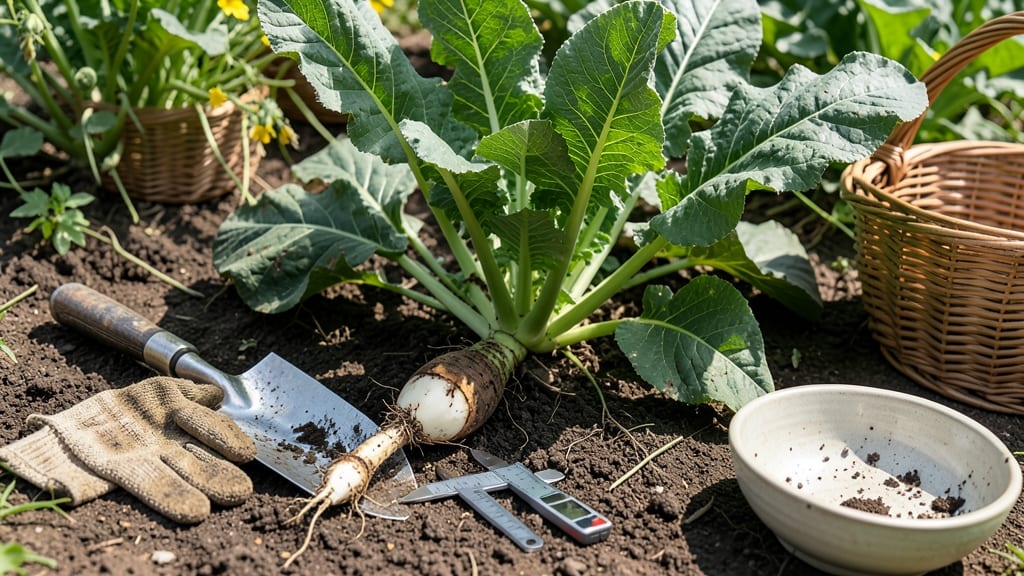
How to know when turnips are ready to harvest can mean the difference between a crisp, sweet bite and a tough, woody disappointment. 🥕 Whether you're growing them in your backyard or container garden, timing is everything—and most gardeners admit they've pulled turnips too late, sacrificing that perfect texture.
The key to success lies in simple checks: size, color, and a quick finger-press test that tells you exactly when your turnips are at their peak. I’ll show you how to spot these signs so you never miss the window again, whether you're harvesting in spring or fall.
Turnips typically reach harvest readiness in 45 days, but environmental factors like soil temperature and daylight can shift that timeline. Learning these visual cues and practical tips will help you avoid the most common mistakes—like harvesting too early (when they’re still hard) or too late (when they turn bitter).
Ready to master the art of turnip harvesting? Let’s dive into the foolproof methods that’ll keep your garden producing tender, flavorful roots all season long.

The finger-press test: the most reliable way to check turnip readiness
Turnips reach peak flavor and texture at a very specific stage—too early, and they're tough; too late, and they become woody and bitter. My go-to method for perfect timing is the finger-press test, a tactile trick that eliminates guesswork.
This simple technique works for both white and purple-top varieties, giving you instant feedback about root maturity.
The finger-press test relies on the firmness of the turnip's skin and flesh. When pressed gently with your thumb, a perfectly ripe turnip will yield slightly but spring back immediately. Think of it like testing a ripe avocado—just without the squishiness.
This method works best when the soil is moist but not soggy, as dry conditions can make roots appear firmer than they are.
👆 The Perfect Finger-Press Technique
- Locate the largest root: Find the most developed turnip in your patch—this is your test subject.
- Press gently: Use your thumb to apply firm pressure (about 5 pounds) to the side of the root.
- Check the rebound: If it springs back immediately, it's ready. If it stays indented, it needs more time.
- Compare: Test 2-3 turnips to account for size variations in your patch.
💡 Pro Tip:
For baby turnips (harvested at 1 inch diameter), press with light finger pressure—they should feel tender but not mushy.
Timing is everything with turnips, and the finger-press test works best when combined with days to maturity. Most varieties reach harvest readiness between 30-60 days, but purple-top turnips often mature faster (around 45 days).
I always check the seed packet for specific guidelines, then use the finger test as the final confirmation. This two-step approach prevents me from harvesting too early when roots are still small and underdeveloped.
One common mistake gardeners make is waiting until the leaves start yellowing before harvesting. By then, the roots may already be woody and tough. The finger-press test lets you harvest 2-3 days before the leaves show signs of stress, giving you that perfect window of crisp, sweet flavor.
I've found that harvesting in the morning after a light watering gives the most accurate results, as the roots are fully hydrated.
For container growers, the finger-press test works just as well—though you'll need to gently lift the plant to access the roots. I recommend using well-draining pots (at least 6 inches deep) to prevent root-bound conditions that can distort the finger-press results.
If you're growing in raised beds, work the test into your routine every 2-3 days during the final two weeks before expected maturity.
Visual cues alone can be misleading, especially for beginners. For example, a turnip might look large enough to harvest but still feel hollow or pithy inside—a sign it's past its prime. The finger-press test cuts through these visual ambiguities by focusing on internal texture.
I've harvested hundreds of turnips using this method, and the difference in flavor between a properly timed turnip and one harvested too late is night and day.
If you're growing turnips for both their roots and greens, time your finger-press tests carefully. Harvesting the greens too early can stunt root development, while waiting too long reduces the leaf yield.
I'll often harvest a few outer leaves when the roots reach 1 inch diameter, then use the finger test to determine when to pull the entire plant. This dual-harvest approach maximizes your yield without sacrificing quality.
Remember that environmental factors like soil temperature and water availability can affect turnip maturity. In cooler climates, turnips may take longer to reach harvest size, while hot weather can accelerate growth. Always adjust your finger-press testing schedule based on your local growing conditions.
When in doubt, err on the side of harvesting slightly early—turnips continue to sweeten slightly after harvest but won't improve if they're already woody.
Mastering the finger-press test takes just a few harvests to perfect. Start by testing a few turnips each week during the final month of growth, and soon you'll develop an instinct for when they're ready.
This method has saved me from countless bitter, tough turnips and given me consistently delicious harvests that last for weeks in the fridge. Once you get the hang of it, you'll wonder how you ever guessed at harvest times before!
The finger-press test: the most reliable way to check turnip readiness
Turnips reach peak flavor and texture when harvested at the right moment—not when they're too small or woody. The finger-press test is my go-to method because it combines tactile feedback with visual cues to avoid common mistakes like harvesting too early (brittle roots) or too late (wooden texture).
This simple technique works for both storage varieties (like Purple Top White Globe) and baby turnips (like Tokyo Cross).
Start by gently grasping a turnip root between your thumb and forefinger. Apply light pressure—about 10-15 pounds per square inch—and feel for resistance. A ready turnip will yield slightly under pressure but won’t dent easily.
Think of it like squeezing a ripe avocado: firm enough to hold its shape, but with a hint of give. If the root feels spongy or mushy, it’s overripe; if it’s rock-hard, it needs more time.
🌱Pro Tip: Test turnips on a cloudy day when soil moisture is consistent. Morning harvests (before 10 AM) often yield the crispest roots because evening watering can make them soggy.
👆 How to Perform the Finger-Press Test
- Grasp the root: Hold the turnip’s shoulder (where root meets stem) between thumb and forefinger.
- Apply pressure: Press firmly but gently—imagine squeezing a stress ball.
- Check resistance: If it yields slightly (like a ripe peach), it’s ready. If it dents or feels hollow, it’s past its prime.
- Verify size: Ready roots should be 1-2 inches in diameter (baby turnips can be smaller).
Many gardeners overlook the leaf color as a secondary indicator. While the finger test focuses on the root, yellowing leaves (especially the lower ones) signal that the plant is redirecting energy to the root for storage.
If leaves turn deep green and lush, the turnip still needs time. Conversely, wilting or bolted leaves mean you’ve waited too long—roots may become pithy and inedible.
🌿Common Mistake: Harvesting turnips based solely on days to maturity (e.g., 45 days for most varieties) can backfire. Soil temperature, rainfall, and variety all affect growth speed. Always combine the finger test with visual checks for accuracy.
For storage turnips, aim to harvest just before the first frost (typically October 15 in Zone 6a).
If left in the ground, roots can split or develop a bitter taste. Baby turnips, however, can be harvested as early as 30 days—just ensure they’ve reached 1 inch in diameter for tenderness.
✂️Action Step: Grab a handful of turnips today and test their readiness. If they’re not quite there, mark your calendar for a 3-5 day recheck—consistency is key to perfect harvests!