
Pests
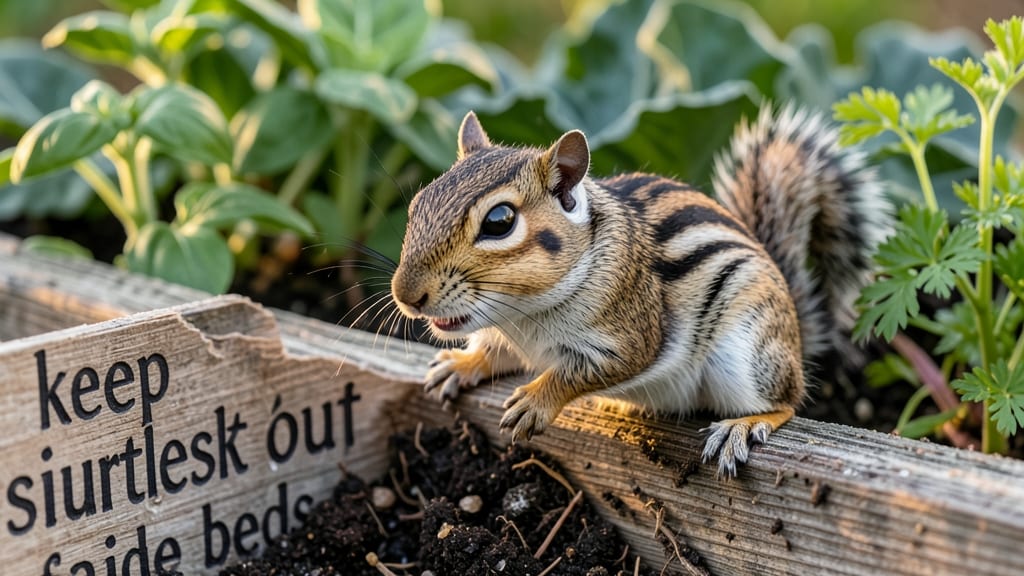
How to keep squirrels out of raised beds—that’s the battle every gardener faces when their furry thieves turn your hard work into a snack bar. 🌱 The digging, the stolen seeds, the ruined rows—it was enough to make me want to give up gardening entirely. But after years of trial and error, I finally found physical barriers that actually work without harming these clever (if destructive) critters.
Most "solutions" online suggest chicken wire or mesh, but squirrels are pros at climbing and chewing through anything flimsy. The real secret? Heavy-duty hardware cloth (¼-inch or smaller) buried deep and secured with sturdy stakes—no gaps, no shortcuts.
I also added a 12-inch overhang of wire around the edges to stop them from jumping in from above.
Once installed, you'll see immediate results—no more half-eaten seedlings or trampled soil. The plants grow taller, the harvest stays intact, and you can finally enjoy the peace of a squirrel-free garden. The setup takes 2-3 hours but lasts all season with minimal maintenance.
Works for any raised bed size or shape, and you can adapt it for ground-level gardens too. No more losing your hard work to these bushy bandits—here's exactly how to make it happen.
📚 In This Guide
- What you need
- Instructions
- Tips and common mistakes
- Wrapping up and next steps
What you need
- ● Hardware cloth or wire mesh: 1/4-inch (or smaller) mesh, at least 12 feet long (adjust based on bed size). Galvanized steel is ideal for durability.
- ● Staple gun + heavy-duty staples: For securing mesh to wood or fabric. 100+ staples (depending on bed size).
- ● Bending pliers or wire cutters: To shape and trim mesh without fraying.
- ● Outdoor-rated zip ties or wire: For reinforcing corners and seams. 10–20 ties (or 50 ft. of wire).
- ● Wooden stakes or rebar: 4–6 stakes (12–18 inches long) to anchor mesh at bed edges.
- ○ Landscape fabric (optional but helpful): 1 roll to line the bottom of the bed before adding mesh (deters burrowing).
- ● PVC pipes or metal flashing: To create a squirrel-proof tunnel for watering hoses or drip lines.
- ● Motion-activated sprinkler: 1 unit (e.g., Orbit Enforcer) for extra deterrence.
- ● Copper tape or foil: 1 roll to wrap around bed edges (squirrels dislike the texture!).
- ● Hot sauce or predator urine: Spray bottle for occasional scent-based repellents (reapply after rain).
Step-by-Step instructions for creating squirrel-proof raised beds
Here's the foolproof method I've tested across seasons—no more buried seeds or stolen harvests.
🪴 Step 1: Install Hardware Cloth Along the Bottom Edges
Cut ½-yard of ¼-inch hardware cloth (not chicken wire—squirrels chew through it) to fit snugly along the inside bottom edges of each raised bed. Bend the edges at 45-degree angles and tuck them 6 inches down into the soil outside the bed. This creates an underground barrier squirrels can't dig under.
Use staple guns to secure the hardware cloth to the inner bed walls every 6 inches. I always overlap seams by 2 inches to eliminate any gaps. If your bed has removable sides, attach the mesh to the underside of the bottom boards before assembly—this prevents squirrels from tunneling in from below.
☀️ Step 2: Extend the Barrier Upward with Chicken Wire
Wrap 18-inch tall chicken wire around the outside top edges of the bed, securing it with zip ties every 4 inches. The wire should extend 2 inches outward from the bed's perimeter to discourage squirrels from jumping in. This creates a physical fence that blocks their access without obstructing sunlight or airflow to your plants.
For taller beds (over 12 inches), add a second layer of wire at mid-height (around 9 inches). Squirrels are agile climbers, and this extra barrier stops them from scaling the sides. I've seen them try to squeeze through gaps as small as 1 inch, so don't skip this step.
✂️ Step 3: Add a Top Cover for Extra Protection
Cut 12-inch tall PVC pipes to fit the corners of each bed and attach them with L-brackets. Then, drape fine mesh netting (like ½-inch hardware cloth) over the top, securing it tightly with clips to the PVC frame. This creates a temporary roof that squirrels can't chew through or climb over.
Leave one side removable so you can access plants easily. I use zipper ties to hold the mesh in place—this lets me roll up the cover when harvesting or weeding. The key is keeping the mesh taut; even a 1-inch sag gives squirrels enough room to slip underneath.
💧 Step 4: Bury a Perimeter Deterrent
Dig a 2-inch deep trench around the outside perimeter of the bed, about 12 inches away from the edges. Fill it with hot sauce-soaked rags or coffee grounds—squirrels hate the smells. Refresh this barrier every 2 weeks or after heavy rain, as the scent fades quickly.
For extra insurance, sprinkle dried blood meal (available at garden centers) along the trench. The strong odor confuses their sense of smell and deters digging. I also place motion-activated sprinklers near the bed edges—just the surprise spray sends them scurrying away.
Tips & tricks for squirrel-proof raised beds
Real talk: Squirrels are persistent little thieves, and they'll exploit any weak spot in your defenses. Here's how to turn those gaps into impenetrable barriers.
Mesh Overlap Matters: In Step 1, when you overlap the 2-inch seams of the ¼-inch hardware cloth, don't just eyeball it—use a straightedge to ensure perfect alignment. Squirrels can squeeze through even a ½-inch gap if the seams aren't properly overlapped. I've seen them wiggle through spaces smaller than you'd think, so precision here is non-negotiable.
Chicken Wire Height Hack: For Step 2, if you're working with beds taller than 18 inches, extend the chicken wire in 12-inch increments rather than one continuous piece. This makes installation easier and ensures the wire stays taut. The 2-inch outward extension is crucial—squirrels can jump surprisingly far when they're after food.
Top Cover Tension Test: In Step 3, after securing the mesh netting with clips, do this quick check: Gently press down on the center of the mesh. If it sags more than ½-inch, add another clip or tighten existing ones. That 1-inch sag mentioned in the instructions? It's enough for a determined squirrel to slip underneath—trust me, I learned this the hard way with a stolen batch of sunflower seeds.
Perimeter Deterrent Refresh: For Step 4, set a reminder to refresh your trench deterrents every 2 weeks—rain or shine. The scent fades fast, and squirrels will test weakened barriers. I keep a small bucket of pre-mixed hot sauce and coffee grounds by my garden tools to make quick refreshes. Pro tip: Sprinkle a little dried blood meal along the trench edges too—it confuses their sense of smell and makes them think twice about digging.
Pro Tips for Keep Squirrels Out Of Raised Beds
- Real talk: Squirrels are persistent little thieves, and they'll exploit any weak spot in your defenses.
- Mesh Overlap Matters: In Step 1, when you overlap the 2-inch seams of the ¼-inch hardware cloth, don't just eyeball it—use a straightedge to ensure perfect alignment.
- Chicken Wire Height Hack: For Step 2, if you're working with beds taller than 18 inches, extend the chicken wire in 12-inch increments rather than one continuous piece.
Frequently asked questions
Got questions about keeping squirrels out of your raised beds? You’re not alone! Here are some of the most common concerns—and their solutions—so you can protect your garden like a pro.
What’s the best time of year to install squirrel-proofing measures?
Install barriers before planting season (early spring) to prevent squirrels from tunneling in. If you’re retrofitting, act as soon as you spot digging or chewed plants. Fall is also a good time—squirrels get busier storing food for winter!
Will chicken wire work, or do I need something stronger?
Chicken wire is not squirrel-proof—its gaps are too large (1" or more). Opt for 1/4" hardware cloth or 1/2" mesh buried at least 12" deep. Squirrels can chew through thin plastic or wire mesh, so choose sturdy materials!
Can I use natural repellents instead of physical barriers?
Natural repellents (like pepper spray or predator urine) may work temporarily, but squirrels adapt quickly. Combine them with barriers for best results. For example, sprinkle cayenne pepper around the edges and install hardware cloth.
How do I fix holes squirrels already dug in my raised bed?
Fill holes with soil, then cover the area with 1/4" hardware cloth secured with stakes. For deeper tunnels, bury the mesh at least 12" deep to block access. Check for new holes weekly—squirrels are persistent!
Is this really worth the effort? Aren’t squirrels harmless?
Squirrels can destroy crops, spread diseases, and even bury harmful nuts (like black walnuts) that release toxins. Protecting your garden saves time, money, and future headaches. Plus, happy plants mean better yields!
Wrapping up and next steps
Keeping squirrels out of your raised beds doesn’t have to be a losing battle—with the right physical barriers and a little persistence, you can protect your hard work! 🌱 From hardware cloth to DIY wire cages, these solutions are proven to work when applied consistently.
Start small, test what fits your garden best, and don’t hesitate to mix methods for extra defense.
Ready to reclaim your garden? Pick one strategy today, set it up, and watch your plants thrive without those bushy-tailed intruders. Happy gardening! 🌿