
How To
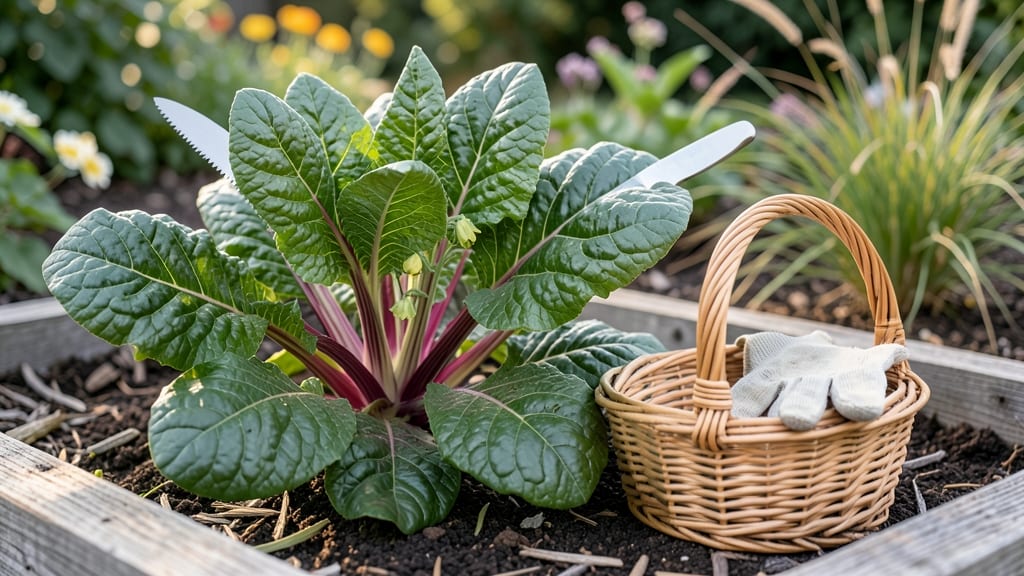
Want to know how to harvest chard so it keeps growing without draining its energy? The secret lies in mastering the cut-and-come-again method—a simple technique that keeps your chard thriving while you harvest.
Most gardeners make the mistake of cutting too much at once or harvesting at the wrong time, which stunts regrowth. But with the right approach, you can enjoy continuous harvests from June through October (or later) in USDA Zone 6a and beyond.
In this guide, I’ll walk you through the exact steps to harvest Swiss Chard—when to cut, how much to take, and how to avoid common pitfalls that leave your plants struggling. You’ll also discover how proper soil nutrients and watering play a critical role in keeping your chard productive.
By the end, you’ll have a foolproof system for maximizing yield without over-harvesting, ensuring your garden stays lush and your kitchen stays stocked with homegrown greens all season long.

The cut-and-come-again method: how to harvest chard without killing the plant
If you’ve ever pulled a few chard leaves only to watch your plant wilt or stop producing, you’re not alone. The secret to a continuous chard harvest lies in the cut-and-come-again method, a gentle technique that keeps your plant thriving.
Unlike harvesting whole stems, this approach focuses on selective leaf removal, allowing the plant to regenerate new growth. With the right tools and timing, you’ll enjoy fresh chard for weeks—or even months—without sacrificing your plant’s health.
Chard is a cut-and-come-again crop, meaning it regenerates after harvesting if done correctly. The key is to remove only the outer leaves while leaving the inner, younger leaves intact. This method mimics natural growth patterns, ensuring your plant stays productive.
Think of it like trimming your hair—you cut the outer layers, but the roots (or in this case, the inner leaves) keep growing. Let’s dive into the step-by-step process to maximize your yield.
✂️ Step-by-Step Guide to Harvesting Chard for Regrowth
One common mistake is cutting too close to the base or harvesting entire stems. This shocks the plant and can lead to stunted growth or even death.
By sticking to the outer leaves only and leaving the inner growth intact, you’re essentially giving your chard a haircut—it may look a little shorter at first, but it’ll bounce back with fresh, vibrant leaves in just a few weeks.
This method works especially well for Swiss chard varieties like Bright Lights or Fordhook Giant, which are known for their robust regrowth.
Pro tip: If your chard starts to bolt (send up flower stalks), it’s a sign the plant is stressed or sensing the end of the growing season. To prevent this, keep up with regular harvesting and ensure your chard gets 6+ hours of sunlight daily.
Bolting chard is still edible, but the leaves become tougher and less flavorful. Harvesting frequently reduces the risk of bolting and keeps your plant focused on leaf production.
For container-grown chard, the same rules apply, but monitor watering more closely. Potted chard dries out faster, so check soil moisture daily in hot weather. If you notice the leaves wilting or turning yellow, it’s a sign the plant needs more water or nutrients.
A quick fix is to water deeply and add a balanced fertilizer to encourage recovery.
Remember, the goal is to harmonize harvesting with growth. Your chard should always have a few mature leaves ready to pick while protecting the younger leaves at the center.
With this method, you’ll enjoy a steady supply of fresh chard for months, turning your garden into a self-sustaining green factory. Happy harvesting!
When and how often to harvest chard for maximum regrowth
Timing your chard harvest is just as important as the cutting technique itself. Harvesting at the right stage ensures your plant keeps producing while avoiding stress.
For most varieties, you’ll want to start harvesting once the outer leaves reach 6-8 inches long—this is when they’re fully developed but still tender. Mature leaves (12+ inches) can be harvested too, but they’ll be more fibrous.
The key is to never take more than 1/3 of the plant in a single harvest, or you’ll stunt regrowth.
Seasonal timing matters too. In spring and fall, you can harvest every 7-10 days as the plant grows slower. But during summer’s peak growth, you might harvest every 5-7 days—just check for new leaf growth between harvests.
If you see yellowing leaves or stunted stalks, you’re harvesting too frequently. Listen to your plant: it’ll tell you when it’s ready to give more!
Morning harvests are ideal because the leaves are crispest and the plant has had a full night to recover. Avoid harvesting after a hot afternoon or during extreme heat, as stressed plants take longer to bounce back. Pro tip: Use a sharp pair of pruning shears or a clean knife to make clean cuts—ragged tears slow down regrowth and invite pests.
- 📅 Spring (April-May): Start harvesting outer leaves when they reach 6 inches. Harvest every 7-10 days.
- ☀️ Summer (June-August): Increase frequency to every 5-7 days as growth accelerates. Focus on mature outer leaves.
- 🍂 Fall (September-October): Reduce to every 10-14 days as days shorten. Harvest before first frost.
- ❄️ Winter (November-March): Minimal harvest in cold climates. In mild zones, harvest sparingly every 3-4 weeks.
One of the biggest mistakes gardeners make is harvesting inner leaves or cutting too close to the growth center. Always leave the youngest leaves and central stalk intact—they’re the plant’s energy source for regrowth. If you accidentally cut into the heart of the plant, don’t panic!
Just reduce harvests for 2-3 weeks to let it recover. With the right rhythm, your chard can produce continuously for months, giving you a steady supply of homegrown greens.
Pay attention to leaf color and texture as indicators. Healthy chard leaves should be vibrant and slightly crisp. If they’re wilted or dull, your plant might be underwatered or overharvested.
After each harvest, give your chard a light drink of water and a handful of compost to replenish nutrients. This simple post-harvest care keeps your plant happy and productive for the next round.
Finally, don’t forget that seasonal adjustments are key. In hot climates, chard may slow down in mid-summer due to heat stress—this is the time to reduce harvests and focus on watering deeply.
In cooler zones, you might extend harvests into late fall by protecting plants with row covers. The more you observe your chard, the better you’ll understand its unique rhythm.
With patience and consistency, you’ll master the art of harvesting without harming—turning your garden into a self-sustaining chard factory! 🌿