
How To
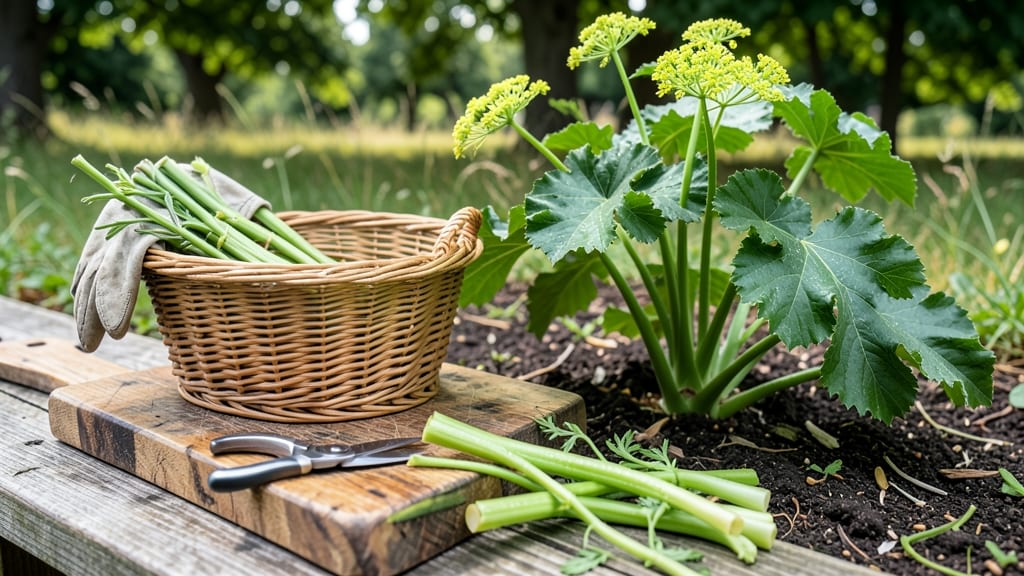
Harvesting lovage at the right time transforms your garden from a patch of green to a flavor powerhouse—because timing isn’t just about when, it’s about how you coax the most vibrant taste from every leaf and stem.
Picture this: it’s June, and your 🌿 lovage is thriving in USDA Zone 6a, its leaves reaching 6+ inches with that signature celery-citrus aroma. But harvest too early, and you’re left with bitter, underdeveloped flavors.
Too late, and you miss the peak. I’ll show you exactly when to snip for maximum yield—and how to keep your plant thriving for months of harvests.
From cutting stems just above a leaf node to collecting seeds in late summer, every step matters. You’ll learn the 3 key signs your lovage is ready, plus pro tips to store your harvest so it stays fresh through September and beyond.
Ready to turn your lovage patch into a year-round flavor factory? Let’s dive into the techniques that’ll make your kitchen taste like a seasonal chef’s secret weapon—without the guesswork.

When to harvest lovage for optimal flavor and yield
Timing is everything when harvesting lovage—cut too early, and you’ll miss its signature celery-like flavor, but wait too long, and the leaves turn bitter.
The ideal harvest window for leaves and stems opens in early summer, typically 60-90 days after planting, when the plant reaches 1-2 feet tall and leaves are 6+ inches long. This is when the aromatic oils peak, delivering that bold, fresh taste.
For roots, patience pays off. Dig them in late fall or early spring when the plant enters dormancy, as roots store nutrients and flavors best during this period.
If you’re growing lovage for seeds, wait until the seed heads turn brown in late summer or fall—this ensures maximum seed viability for next year’s crop.
Seasonal cues are your best guide. In USDA Zone 6a, lovage thrives from June through September, but in warmer climates, you can extend the harvest into early October.
Always prioritize harvesting before the plant flowers—once those yellow-green blooms appear, the leaves lose their potency and become woody and less flavorful.
| Plant Part | Optimal Time | Size/Appearance | Flavor Note |
|---|---|---|---|
| Leaves | Early summer (June) | 6-12" long, deep green, aromatic | Bold, celery-like |
| Stems | Mid-summer (July-August) | Thick, firm, 1/4" diameter | Crisp, slightly sweet |
| Roots | Late fall/early spring | 2-3" thick, knobby | Earthy, intense |
| Seeds | Late summer/fall | Brown seed heads | Mild, nutty |
To extend your harvest season, practice successive harvesting. Snip outer leaves regularly to encourage new growth—this keeps your lovage producing flavorful foliage for weeks longer than a single, heavy harvest.
Just avoid cutting more than 1/3 of the plant at once, or you’ll stress the roots and stunt regrowth.
Morning is the best time to harvest lovage. The dew has dried, and the plant’s oils are most concentrated. Afternoon harvests work too, but avoid cutting in the late afternoon when heat can cause the leaves to wilt quickly.
Always use clean, sharp pruners to make clean cuts—this prevents disease and encourages faster healing.
Watch for visual maturity cues beyond size. Ready-to-harvest leaves should have a glossy sheen and release a strong, fresh aroma when crushed. If the leaves feel leathery or hollow, it’s a sign of over-maturity, and the flavor will suffer.
For roots, gently tug on the foliage—if the plant pulls easily, the roots are ready for digging.
In colder climates, lovage may go dormant in late fall, but don’t despair. The roots remain viable underground and can be harvested the following spring. If you live in a mild-winter zone, you might even get a second harvest in early spring before new growth begins.
Pro tip: Label your plants if you’re growing multiple varieties. Some lovage cultivars, like 'Variegata', have striped leaves and may have slightly different harvest windows. Always check the plant’s growth stage before harvesting to ensure you’re getting the best flavor.
Finally, remember that lovage is a perennial in most climates. With proper care, the same plant can provide years of harvests, making it a low-maintenance, high-reward addition to your garden. Start harvesting early, and you’ll enjoy its bold, aromatic goodness for seasons to come. 🌿
Step-by-step harvesting techniques for leaves, stems, and roots
Harvesting lovage correctly ensures you get the boldest flavors and healthiest plants. Start by gathering your tools—a sharp pruning shears, clean gloves, and a bucket of ice water to preserve freshness. Always harvest on a dry morning after dew has evaporated to prevent fungal issues.
For leaves and stems, focus on the outer growth first. Use your shears to cut stems at a 45-degree angle, just above a leaf node. This encourages new growth while keeping the plant compact. Avoid cutting more than one-third of the plant at once to prevent stress.
How to Harvest Lovage Properly
- Leaves: Snip individual leaves or small stems when they reach 6-12 inches and smell strongly aromatic.
- Stems: Cut thicker stems at the base when they’re firm and woody, typically in late summer.
- Roots: Dig up entire plants in early spring or fall for root harvests, using a garden fork to avoid damaging roots.
- Seedheads: Collect brown, papery seed clusters in late summer/fall by enclosing them in a paper bag and shaking gently.
When harvesting roots, wait until the plant is 3-4 years old for the most robust flavor. Use a garden fork to loosen soil around the base before pulling gently. Rinse roots thoroughly to remove dirt, then store them in a cool, dark place for up to 6 months.
For long-term storage, dry leaves and stems by hanging bundles upside down in a well-ventilated area for 1-2 weeks. Store dried lovage in airtight containers away from light. Freezing is another option—blanch stems for 2 minutes before freezing in ziplock bags for up to 1 year.
Always leave at least 50% of the foliage intact after harvesting to ensure the plant continues producing. Regular harvesting actually stimulates growth, so don’t hesitate to trim back your lovage plant every 4-6 weeks during the growing season.
Pro tip: If your lovage flowers, harvest the seedheads first before they scatter. This prevents unwanted self-seeding and keeps your garden tidy while ensuring you can save seeds for next year.