
How To
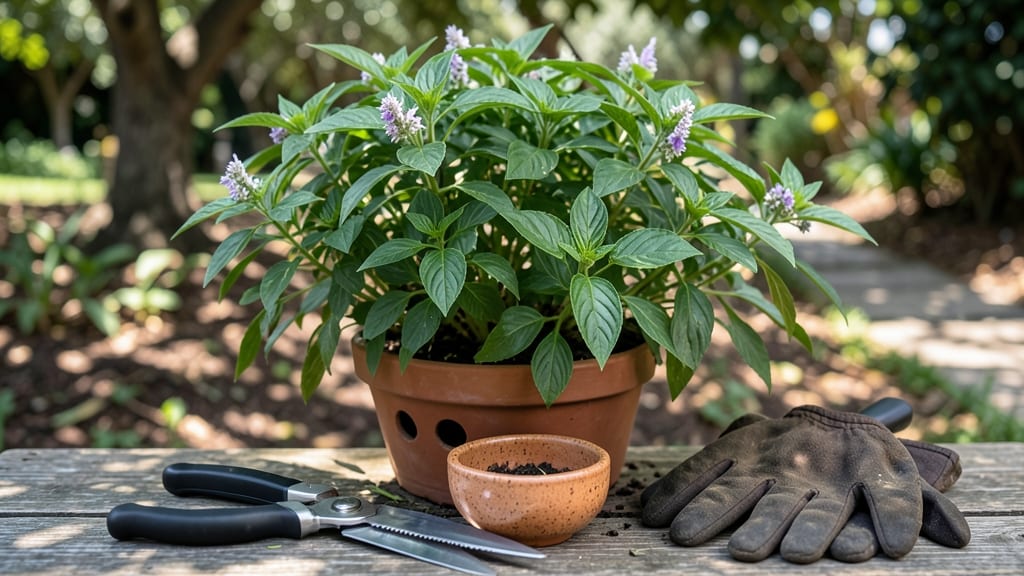
Harvesting tulsi 🌿 at the right moment transforms your kitchen into a fragrant sanctuary while keeping your plant thriving—here’s the foolproof way to do it without sacrificing flavor or growth.
You’ve probably heard that timing matters, but did you know morning harvests pack the most potent aroma? That’s because the oils in tulsi leaves peak after a full night’s rest. I’ll show you exactly when to snip for maximum benefits—plus how to avoid over-pruning and keep your plant lush.
Whether you’re growing tulsi in pots or garden beds, the key lies in understanding your plant’s signals. Dark green leaves with a strong scent? That’s your cue. But wait too long, and you’ll miss the prime window for continuous harvests. Let’s break down the step-by-step method that works every time.
From the right tools to storage tips, I’ll cover everything you need to harvest tulsi like a pro. Say goodbye to weak regrowth and hello to a never-ending supply of this sacred herb—without harming your plant in the process.

Optimal harvesting time for tulsi: when to pick for peak flavor and regrowth
Harvesting tulsi (holy basil) at the right moment transforms your garden into a flavor factory. The key is timing—pick too early, and you’ll sacrifice aromatic potency; wait too long, and you risk stunting regrowth.
I’ve learned that morning harvests yield the freshest, most potent leaves, packed with essential oils that fade by evening.
For maximum regrowth, focus on harvesting young leaves and tender stems before the plant flowers. Tulsi typically reaches harvest readiness 60-90 days after planting, but visual cues like dark green, glossy leaves and a strong herbal aroma are your best indicators.
Avoid harvesting when stems become woody or flowers appear—this signals the plant’s energy shifting toward reproduction rather than leaf production.
The ideal harvest window spans from late spring through early fall, aligning with tulsi’s active growth phase. In USDA Zone 6a, this means starting around May and continuing until September, though container-grown tulsi can be harvested year-round in warmer climates.
Always prioritize morning harvests between 8-10 AM when essential oils are at their peak concentration.
| Harvest Stage | Visual Cues | Best Time | Aroma Test |
|---|---|---|---|
| Early Growth | Small, pale leaves; soft stems | Avoid harvesting | Mild or none |
| Prime Harvest | Dark green, glossy leaves; 6+ leaf sets | Morning (8-10 AM) | Strong, pungent |
| Late Stage | Woody stems; flower buds | Reduce harvesting | Dull, fading |
Balancing harvest frequency is crucial for continuous production. I recommend harvesting no more than one-third of the plant at a time to avoid stress. For example, if your tulsi has 20 sets of leaves, limit yourself to 6-7 sets per harvest.
This approach ensures the plant retains enough energy to regrow while preventing over-pruning, which can lead to leggy, weak growth.
Seasonal adjustments are key: in summer’s peak heat, tulsi grows aggressively, so you can harvest every 3-5 days. In spring and fall, when growth slows, extend the interval to 7-10 days.
Always prioritize outer leaves and stems first—they’re the oldest and least likely to hinder new growth. This method mimics natural pruning and encourages bushier, more productive plants.
Watch for stress signals like yellowing leaves or stunted growth, which indicate over-harvesting. If you notice these, scale back to bi-weekly harvests and increase watering frequency to help the plant recover. Tulsi is resilient, but even it can’t bounce back from aggressive harvesting during heatwaves or droughts.
Pay attention to the plant’s overall vitality—healthy tulsi should always have a compact, vibrant appearance.
Pro tip: Harvest tulsi just before flowering to capture the peak flavor profile. Once flowers appear, the plant’s energy shifts toward seed production, and leaf potency declines.
I’ve found that regular harvesting (every 5-7 days) actually delays flowering by 2-3 weeks, giving you more time to enjoy fresh, aromatic leaves. This technique works especially well for container-grown tulsi, which often flowers earlier than in-ground plants.
For continuous yield, pair harvesting with light pruning. After each harvest, trim any long, leggy stems back to a leaf node just above a set of leaves. This encourages branching and denser foliage.
I’ve seen tulsi plants double their leaf production within 4 weeks of consistent pruning and harvesting. Just remember: never remove more than 30% of the plant in a single session, or you’ll risk shocking the roots.
Finally, seasonal timing matters for storage purposes. Harvest late summer tulsi (August-September) for drying, as the leaves contain higher concentrations of essential oils. For fresh use, prioritize spring and early summer harvests when the flavor is brightest.
Store dried tulsi in airtight containers away from light to preserve its potency for up to 6 months.
Optimal harvesting time for tulsi: when to pick for peak flavor and regrowth
Timing is everything when harvesting tulsi (holy basil) to ensure maximum flavor and healthy regrowth. The best time to harvest is early morning, when essential oils are at their peak.
This is because morning sunlight hasn’t yet evaporated the aromatic compounds that give tulsi its signature scent and medicinal properties.
For continuous harvests, aim to pick leaves every 2-3 weeks during the growing season. This frequency keeps your plant lush and productive while preventing it from becoming overcrowded.
If you wait too long, the plant may start flowering, which shifts its energy from leaf production to seed development, reducing potency.
Look for these visual cues to know when your tulsi is ready: dark green, glossy leaves that are fully developed (about 2-3 inches long) and a strong, pungent aroma when crushed. Avoid harvesting leaves that are small, pale, or wilted, as these indicate stress or immaturity.
🌿 Tulsi Harvesting Timeline
| Stage | Action | Frequency |
|---|---|---|
| Seedling | No harvest; focus on establishment | N/A |
| Early Growth (30-45 days) | Harvest first leaves (top 2-3 sets) | Every 3-4 weeks |
| Mature Plant (60+ days) | Harvest outer leaves or stems | Every 2-3 weeks |
| Flowering Stage | Stop harvesting; prune flowers to redirect energy to leaves | One-time prune |
Seasonal timing also matters. In spring and early summer, tulsi grows rapidly, making it ideal for frequent harvesting. By late summer, growth slows, and the plant may enter a dormant-like state. Reduce harvesting frequency to once a month during this time to avoid stressing the plant.
One common mistake is harvesting tulsi in the afternoon or evening, when essential oils have degraded due to heat. Always prioritize morning harvests for the freshest flavor and highest potency. Store harvested leaves in the refrigerator (wrapped in a damp paper towel) or air-dry them for later use.
If your tulsi starts flowering, it’s a sign to prune the flowers immediately. This redirects the plant’s energy back to leaf production, ensuring a longer harvest season. With the right timing, your tulsi plant can provide continuous harvests for months, keeping your kitchen stocked with fresh, aromatic leaves.