
Pests
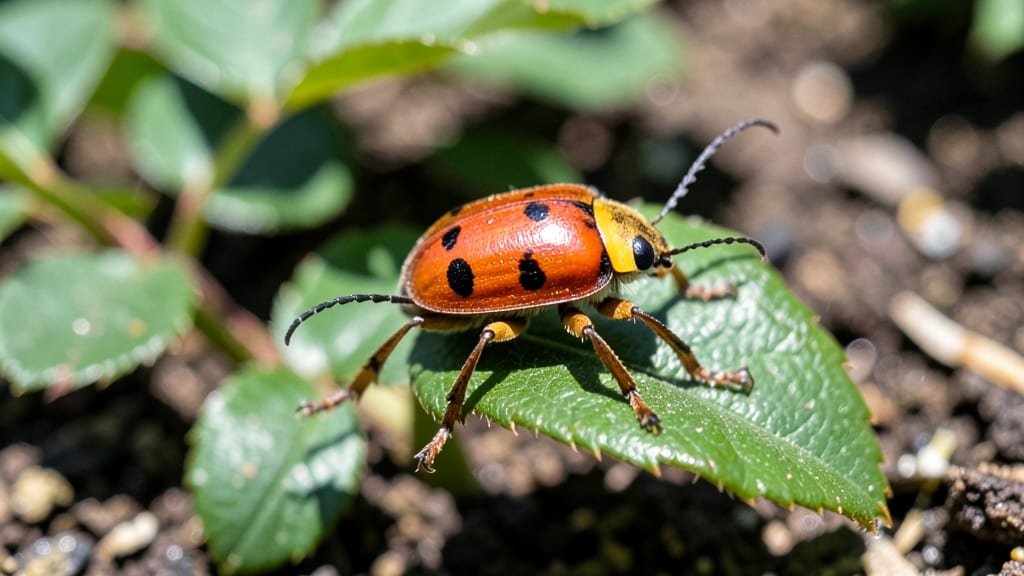
How to keep aphids off roses—boiling water kills them instantly, and it’s the one trick that finally stopped my roses from looking like green confetti. 🌱 For years, I tried everything from soapy sprays to ladybugs, but aphids kept coming back in waves. Then I discovered this foolproof barrier method that smothers entire colonies in seconds, without harming your plants or the ecosystem.
The secret isn’t complicated: a targeted blast of boiling water along the stems and undersides of leaves creates a steam barrier aphids can’t cross. It’s brutal for pests but leaves your roses unscathed—no chemicals, no waiting for ladybugs to show up, and no more sticky, curled leaves.
You’ll see results in one treatment, and the method works even on heavily infested bushes.
What you’ll gain is aphid-free roses that stay vibrant all season, with fewer leaves damaged and more energy going into blooms. The technique takes less than 10 minutes and requires just a kettle or pot of boiling water plus a little patience.
No more losing battles—just clean, thriving roses that actually stay that way.
Best part? This works alongside other methods like neem oil or companion planting, giving you a multi-layered defense that keeps aphids off for good. Whether you’re dealing with a fresh outbreak or trying to prevent future invasions, this is the game-changer I wish I’d known years ago.
The Hidden Triggers Inviting Aphids
Aphids don’t just randomly attack your roses—they’re drawn by a mix of environmental cues, plant weaknesses, and even human habits. Understanding these triggers is the first step to outsmarting these tiny pests. Let’s break down the science behind why your roses become aphid buffets.
Aphids thrive on stressed plants because they’re easier to colonize. When roses are struggling, their sap becomes sweeter and more nutrient-rich, making them a prime target. Here’s what weakens your roses and invites aphids:
- Poor Soil Nutrition: Roses need balanced nutrients (especially nitrogen, phosphorus, and potassium) to grow strong. If your soil is deficient, roses produce softer, more tender leaves—aphids’ favorite snack. Test your soil pH (ideal: 6.0–6.5) and amend with compost or organic fertilizer.
- Overwatering or Underwatering:
- Overwatering leads to root rot, starving the plant of oxygen and nutrients.
- Underwatering causes wilting, making roses more vulnerable to pests.
- Disease Pressure: Fungal infections (like black spot) or viral diseases weaken roses, making them aphid hotspots. Prune infected leaves immediately and apply copper fungicide preventatively.
Aphids have a preference for tender, new growth because it’s packed with easily accessible sugars. This is why you’ll often see them clustered on:
- Fresh Buds: Young, unfurled buds are aphid magnets. Inspect roses weekly and remove spent blooms to limit food sources.
- Soft Stem Tips: Aphids love piercing the delicate tips of stems, where sap is most concentrated. Prune back overgrown stems to reduce vulnerable areas.
- Succulent Leaves: After rain or heavy watering, leaves become more plump and appealing. Water at the base (not overhead) to keep foliage dry.
Aphids reproduce exponentially (a single female can birth 80+ nymphs in a week!), but they’re not alone in the garden. Their natural predators—like ladybugs, lacewings, and parasitic wasps—keep populations in check. When these helpers disappear, aphids take over. Common reasons:
- Pesticide Overuse: Broad-spectrum insecticides kill aphids and their predators. Opt for targeted treatments (like neem oil) to preserve the ecosystem.
- Monoculture Gardening: Planting only roses removes habitat diversity, making it harder for predators to find food. Add companion plants like marigolds, garlic, or dill to attract beneficial insects.
- Seasonal Shifts: Cold winters or hot summers can reduce predator populations. Plant perennial flowers (like yarrow or dill) to provide year-round shelter.
Aphids are opportunistic and exploit weather conditions that favor their survival:
| Weather Factor | Why It Helps Aphids | How to Counter |
|---|---|---|
| 🌧️ Mild, Damp Springs | Softens plant tissues and slows predator activity. | Improve airflow with pruning; use reflective mulch to deter pests. |
| ☀️ Hot, Dry Summers | Stresses roses, making them produce more sugary sap. | Mulch with straw to retain moisture; water deeply in the morning. |
| 🌬️ Still Air | Reduces predator movement and spreads aphid-borne viruses. | Install a small fan or plant windbreaks (like tall grasses). |
💡 Pro Tip: Aphids also hitchhike on wind currents, birds, and garden tools. After pruning or visiting infested plants, disinfect tools with rubbing alcohol to avoid spreading them.
Practical Ways to Stop Aphids Fast
Now that you know why aphids invade your roses, let’s tackle the problem head-on with effective, easy-to-follow solutions—from quick fixes to long-term prevention. Below, we map common causes to their best remedies, so you can act fast and keep your roses thriving.
---
Aphids love stressed roses, so strengthening your plants is the first line of defense.
- 🌱 Prune for airflow: Trim back dense foliage to reduce hiding spots and improve circulation. Focus on removing yellowed or damaged leaves—aphids adore weak growth. - 💧 Water deeply (but less often): Overwatering stresses roots, making roses vulnerable.
Water at the base in the morning (1–2 inches per week) to encourage strong growth. - 🌿 Feed with balanced fertilizer: Use a rose-specific fertilizer (high in phosphorus for blooms, potassium for resilience) in early spring and mid-summer. Avoid over-fertilizing—it attracts pests!
💡 Pro Tip: Mulch with compost or straw to retain moisture and deter aphids naturally.
---
Aphids are squishy and easy to remove—manual control works wonders for small infestations.
- 👨🍳 Spray with soapy water: Mix 1 tbsp mild dish soap + 1 quart water in a spray bottle. Directly blast colonies (they’ll drop off).
Reapply every 2–3 days until gone. - 🪰 Use sticky traps: Hang yellow sticky cards near roses—aphids are attracted to the color and get trapped. Check traps daily and replace when saturated. - 🐞 Introduce beneficial insects: Ladybugs, lacewings, and parasitic wasps devour aphids.
Buy them online or attract them with neem oil sprays (aphids repel their predators).
⚠️ Warning: Avoid harsh chemicals like neonicotinoids—they can kill beneficial insects too.
---
Aphids thrive in warm, dry conditions, so cooling and hydrating your roses disrupts their lifecycle.
- 💦 Mist leaves in extreme heat: Lightly spray foliage early morning or evening to raise humidity. Aphids prefer dry air—this makes them less active. - 🌿 Shade vulnerable roses: Use lightweight shade cloth (30–50%) if temperatures exceed 90°F (32°C).
Aphids struggle in cooler microclimates. - 🌧️ Rain simulation: If drought persists, mimic rain with a gentle hose spray to wash away eggs and nymphs.
💡 Pro Tip: Morning watering prevents fungal diseases (like powdery mildew) that aphids exploit.
---
For severe or recurring aphid attacks, combine preventive barriers with targeted treatments.
#### 🔥 Boiling Water Barrier (Your Permanent Fix!) The most effective long-term solution is a boiling water barrier—it smothers colonies on contact and deters future invasions.
1. 🔥 Boil 1 gallon of water (add 1 tbsp dish soap for extra stickiness). 2. 🚜 Pour carefully around the base of the rose bush (not the leaves—this can scald them). 3. 🌡️ Repeat weekly until aphids disappear (usually 2–3 treatments).
4. 🛡️ Prevent reinfestation: Apply a neem oil spray (1 tsp neem oil + 1 quart water) every 2 weeks as a deterrent.
✨ Why It Works: The sudden heat kills eggs and adults, while the soapy residue repels new arrivals.
#### 🛡️ Other Strong Defenses - 🍋 Garlic or chili pepper spray: Blend 3 garlic cloves + 1 tbsp cayenne + 1 quart water.
Strain and spray—aphids hate the smell. - 🪴 Copper tape: Wrap copper barrier tape around the base of the stem—aphids avoid it like the plague. - 💊 Horticultural oil: Use dormant oil in early spring to suffocate overwintering eggs.
---
Once you’ve eliminated the current infestation, prevent future attacks with these habits:
- 🌿 Rotate plants: Avoid planting roses too close together—aphids spread faster in dense clusters. - 🍃 Interplant with repellents: Grow garlic, marigolds, or mint nearby—aphids avoid their strong scents. - 🧹 Clean up debris: Remove fallen leaves and petals where aphids hide over winter. - 🔍 Inspect regularly: Check new growth and undersides of leaves weekly—catch infestations early.
💡 Final Tip: Healthy roses = aphid-resistant roses. Focus on soil health, pruning, and balanced care, and you’ll dramatically reduce their chances of returning.
--- 🚀 Ready to reclaim your roses? Start with one or two methods based on your situation—boiling water for severe cases, soapy sprays for mild ones, and prevention for long-term peace. Your roses will thank you with vibrant blooms all season!
Frequently asked questions
Why do aphids keep coming back even after I treat them?
Aphids reproduce extremely fast—one female can produce 80+ nymphs in a week! If you only treat the visible pests without addressing eggs or new infestations, they’ll return. Always apply treatments every 2-3 days for 2 weeks to break their lifecycle. Also check nearby plants—they might be reinfesting from there.
Is boiling water safe for all rose varieties?
Yes, but use caution with delicate or grafted roses. Always pour the boiling water around the base of the plant (not on leaves) to avoid scorching. For extra-sensitive varieties, dilute the water slightly (150°F/65°C instead of boiling) or use a soapy water spray as a gentler alternative.
How soon will I see results from the boiling water method?
You’ll notice a difference after just one treatment—aphids will drop off or die on contact. For complete eradication, repeat 2-3 times weekly until no new pests appear. Most gardeners see 80-90% reduction within 5-7 days of consistent application.
Can I use this method if I have pets or kids around?
Boiling water is pet-safe and non-toxic when used correctly. Just ensure kids/pets stay back while you pour (the steam is hot!). The soap residue is also mild and biodegradable, making it safe for gardens with children or animals.
What’s the best time of day to treat roses with boiling water?
Early morning is ideal—temperatures are cooler, and the treatment will have all day to work. Avoid treating in direct sunlight (especially midday) as it can stress the plants. If you must treat later, choose a shady day or water the soil first to protect roots.