
Pests
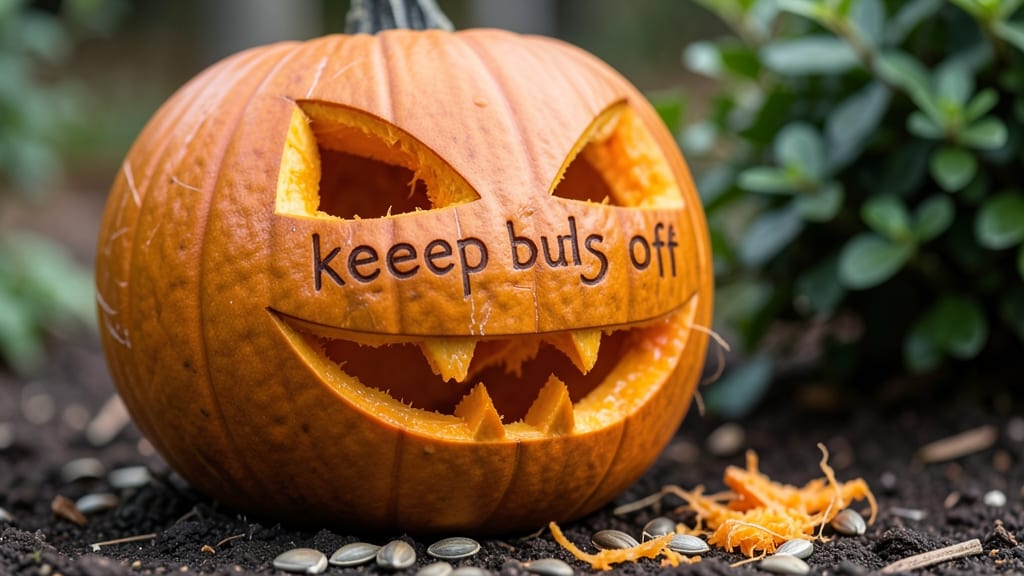
How to keep bugs off carved pumpkins—it’s the battle every Halloween decorator faces. The moment you slice into that orange flesh, flies, squash bugs, and even rodents zero in—unless you act fast. I’ve lost count of the pumpkins ruined by pests, but this hot soap barrier method has saved mine for weeks without chemicals. The secret? A simple, eco-friendly soap solution that disrupts pests’ senses while keeping your carving intact. You’ll need basic kitchen ingredients, a spray bottle, and 10 minutes of prep. No fancy tools, just a barrier that works better than store-bought sprays—and it’s safe for pets and kids. Once applied, your pumpkin stays crisp, free of gnaw marks or maggot trails. The soap’s scent confuses insects while the hot water creates a thin protective layer. Reapply every 3-4 days for maximum defense, and your pumpkin will outlast the season. Works for both porch displays and indoor decor—no more waking up to a pumpkin skeleton. Here’s the exact mix that’s kept mine pest-free for Halloween and beyond.
The Real Culprits Behind Pumpkin Invaders
Carved pumpkins are a Halloween staple—but they’re also an all-you-can-eat buffet for pests. Understanding why bugs flock to your jack-o’-lanterns is the first step to keeping them bug-free. Here’s the science behind the invasion:
Pumpkins are naturally high in sugars and natural oils, which act like a neon sign for insects. When you carve one, you expose its flesh—a sweet, moist treat that’s irresistible to:
- Fruit flies (drawn to fermentation from exposed sugars)
- Ants (follow scent trails left by pumpkin juices)
- Beetles & weevils (seek out damp, rotting organic matter)
Even a small cut releases volatile organic compounds (VOCs), signaling to pests: "Free food here!" The longer the pumpkin sits, the more these compounds intensify, making it a magnet for more critters.
Pumpkins left outside in warm, humid conditions spoil faster—accelerating the pest party. Here’s how heat and moisture play a role:
| Factor | Effect on Pumpkins | Result for Bugs |
|---|---|---|
| High temperatures (above 70°F) | Speeds up bacterial growth, causing rot | More fermentation = stronger fruit fly attraction |
| Humidity (above 60%) | Keeps pumpkin flesh damp longer | Ants and beetles thrive in moist environments |
| Rain exposure | Washes away natural protective waxes, exposing flesh | Creates easy entry points for insects |
💡 Pro Tip: If your pumpkin starts sweating or smells slightly sweet, it’s already on the pests’ radar.
Carving isn’t the only way pests invade—your pumpkin’s natural weaknesses make it easy prey:
- Stem holes: The pumpkin’s stem is a perfect tunnel for ants and beetles to crawl in undetected.
- Carving cuts: Jagged edges create micro-environments where moisture and bacteria collect, inviting flies and maggots.
- Weak spots: Even uncut areas can develop cracks from drying out, giving pests a foothold.
Once inside, bugs lay eggs or chew through flesh, turning your jack-o’-lantern into a swarming nightmare in days.
If your pumpkin sits in a dark, sheltered spot (like under a porch eave), it becomes a bug hotel. Why?
- No natural predators: Birds and bats avoid shaded areas, leaving insects unchecked.
- Cooler temps at night: Some pests (like carpenter ants) are more active in the evening.
- Less airflow: Stagnant air traps odors, making the pumpkin smell even more enticing.
🔥 Fun Fact: A lit pumpkin (with a candle or LED) can sometimes deter night-flying insects—but it’s not foolproof!
Quick Fixes for a Bug-Free Pumpkin
Now that you know why bugs are crashing your Halloween party, let’s tackle how to keep them off your carved pumpkins—fast and effectively. The key is a mix of prevention, natural repellents, and smart placement to outsmart those pesky critters.
Below, we’ve mapped the most common causes to practical, step-by-step solutions so your pumpkins stay pristine all season long.
Fix: Seal the pumpkin like a fortress with a hot soap barrier—the science-backed trick that repels bugs for weeks.
- 🔥 Boil Water with Soap
- Fill a pot with water and add 1–2 bars of Ivory or Castile soap (the lye content is key).
- Bring to a rolling boil for 5–10 minutes to dissolve the soap completely.
- 👨🍳 Paint the Pumpkin’s Exterior - Let the soap mixture cool slightly (but stay warm). - Use a paintbrush or sponge to coat the outside of the pumpkin—especially the carved areas where bugs love to land. - Let it dry completely (usually 1–2 hours).
The residual soap creates a slippery, unappetizing surface that bugs avoid.
- 🌡️ Reapply as Needed
- If rain or humidity washes it away, repeat every 3–5 days for maximum protection.
💡 Pro Tip: For extra staying power, mix in a few drops of citrus oil (lemon or orange) with the soap—bugs hate the scent!
Fix: Block entry points without ruining your design.
- 🔪 Trim Jagged Edges
- Use sharp scissors or a craft knife to smooth out rough carving edges. Bugs use these as landing strips—smoother = harder to grip.
- 🎨 Seal with Clear Nail Polish or Mod Podge
- Apply a thin layer of clear sealant around the carved edges to create a slick barrier.
- Bonus: It adds a glossy finish that makes your design pop!
- 🕸️ Add a Fake Web (For Real!)
- If spiders are your enemy, lightly dust the inside rim with cotton balls + black paint to mimic a web. Spiders will avoid it, thinking it’s occupied.
Fix: Mask the odor and speed up drying to keep bugs away.
- 🥘 Ventilate the Inside
- Poke small holes in the bottom of the pumpkin (if not carved) or prop the lid open (if it’s a top-carved design) to reduce moisture buildup.
- 🌿 Spritz with Essential Oil Mist
- Mix 1 cup water + 10 drops peppermint or eucalyptus oil in a spray bottle.
- Lightly mist the outside of the pumpkin (avoid soaking the carving). The scent confuses bugs’ senses and deters them.
- ⏰ Speed Up Drying Time
- Place pumpkins in a sunny, dry spot during the day and bring them in at night to prevent mold and rot, which attract pests.
Fix: Relocate or protect your pumpkins strategically.
- 🏠 Move Indoors After Dark
- Bugs are most active at dusk and dawn. Keep pumpkins on porches, patios, or inside during these times.
- 🪲 Use a Mesh Cage (For Extreme Cases)
- If you’re dealing with determined beetles or wasps, drape a fine mesh screen (like chicken wire) loosely over the pumpkin. Secure it with twist ties—just make sure it’s not visible from the front!
- 🌿 Plant Bug-Repelling Herbs Nearby
- Surround your pumpkin display with basil, mint, or lavender. The fragrance creates a natural perimeter that bugs avoid.
To keep bugs off carved pumpkins long-term, follow this 5-step routine: ✅ Clean carving tools with rubbing alcohol between pumpkins to avoid transferring bacteria. ✅ Store uncarved pumpkins in a cool, dry place (like a garage) until Halloween week. ✅ Avoid over-carving—less exposed flesh = fewer bug landing spots. ✅ Check daily for early signs of pests (tiny holes, webbing) and treat immediately. ✅ Dispose of old pumpkins by composting or freezing them after the holiday to prevent next year’s infestations.
With these targeted fixes, your carved pumpkins will stay bug-free, beautiful, and ready to scare—not attract! 🎃✨
Frequently asked questions
Can I use regular dish soap instead of Ivory or Castile soap?
Yes, but with caution! Regular dish soap works in a pinch, but it may not last as long. The lye in Ivory or Castile soap creates a stronger barrier. If using dish soap, choose a mild, fragrance-free brand and add 1 tablespoon of vinegar to boost repellency. Reapply every 2-3 days for best results.
What if my pumpkin already has bugs inside? Can I save it?
Act fast! First, remove any visible pests with a damp paper towel. Then, fill the pumpkin with hot water + 1 tablespoon of salt for 10 minutes to kill eggs and larvae. Dry thoroughly before reapplying your soap barrier. If maggots are present, discard it—contamination spreads quickly.
Will these methods work for uncarved pumpkins too?
Uncarved pumpkins are even easier to protect. Simply wipe the exterior with a vinegar-water mix (1:1 ratio) and store in a cool, dry place**> (like a garage). For extra defense, place them on a tray of diatomaceous earth—this natural powder repels bugs without harming the pumpkin.
Are there any bugs I should be more worried about than others?
Yes! Fruit flies and squash bugs are the fastest invaders (they arrive within 24 hours), while ants and beetles cause long-term damage. Watch for tiny black specks (fly eggs) or chewed edges (beetles). The hot soap barrier stops flies, but for beetles, add crushed bay leaves inside the pumpkin.