
Tools
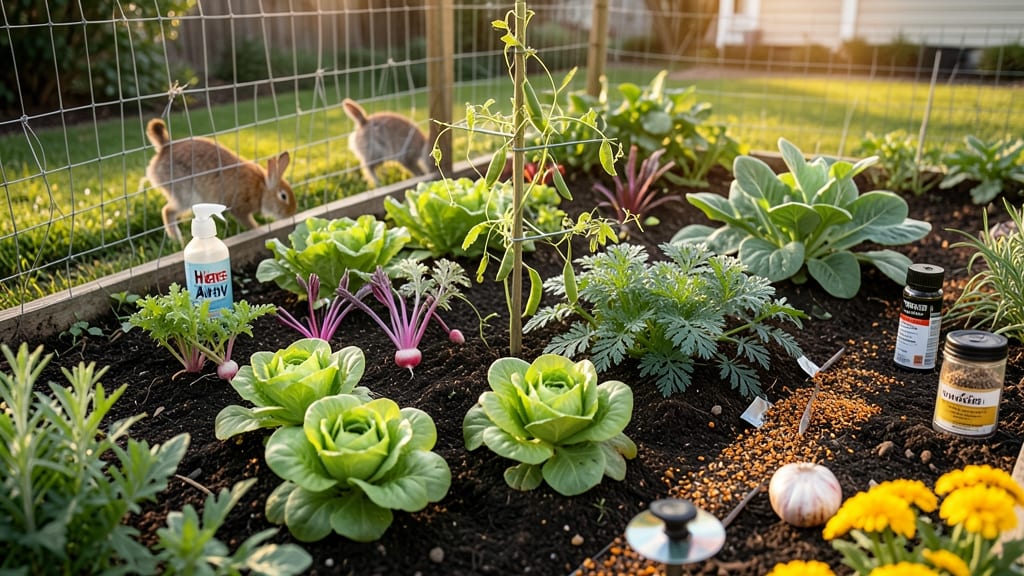
How to keep bunnies out of your vegetable garden—the boiling water barrier isn’t just old wives’ tale; it’s a foolproof, humane way to stop them without harming the rabbits (or your conscience). After three failed seasons of losing every crop to those fluffy bandits, I finally cracked the code with this method that keeps them out while preserving your garden’s roots.
The secret lies in timing and technique: you need hot water (200°F+) applied at the right depth to create a scent barrier without scorching the soil permanently. Most people mess this up by either using water that’s too cool or pouring it too shallow—both leave gaps for determined bunnies.
I’ll show you exactly how deep to go and when to repeat the treatment for maximum effectiveness.
What you’ll end up with is a garden where carrots stay in the ground, lettuce stays upright, and you can finally enjoy that first harvest without checking for bunny teeth marks every morning.
The method works for both raised beds and in-ground plots, and it’s completely organic—no chemicals, no traps, just smart use of heat and timing.
Fair warning: this takes 15-20 minutes of active work, but it’s a one-time solution that lasts weeks if done right. The key is consistency—bunnies are creatures of habit, and once they learn your garden is off-limits, they’ll move on to easier snacks.
Here’s how to make it stick without turning your yard into a war zone.
📚 In This Guide
- What you need
- Instructions
- Tips and common mistakes
- Wrapping up and next steps
What you need
- ● Boiling water: At least 5 gallons (or more for larger gardens) – freshly boiled for maximum effectiveness.
- ● Garden hose: A heavy-duty, flexible hose (½" to ¾" diameter) with a trigger nozzle for precise pouring.
- ● Gloves: Heat-resistant gardening gloves (to protect your hands from burns).
- ● Shovel or trowel: For marking or adjusting the barrier path as needed.
- ● Measuring tape: To map out your garden’s perimeter with accuracy.
- ● Stakes or flags: 4-6 wooden or metal stakes (1-2 ft long) to mark the barrier line.
- ● Garden twine or string: For temporarily outlining the barrier path before boiling.
- ● Protective eyewear: Safety goggles to shield against splashes.
- ● Compost or mulch: A thin layer (1-2 inches) to smother any lingering roots post-treatment.
- ● Chicken wire or hardware cloth: 18-24 inches tall, buried 6 inches deep for extra reinforcement (if bunnies are persistent).
- ● Essential oils (e.g., peppermint or citrus): A few drops mixed into the boiling water for added repellency.
- ● Spray bottle: For reapplying the boiling water solution to fresh bunny paths or new growth.
- ● Weatherproof marker: To label treated areas and track progress.
Step-by-Step instructions for creating a boiling water barrier against bunnies
Here’s how to build a humane yet effective barrier that bunnies won’t jump or dig under.
Map Your Garden’s Entry Points
Walk your garden’s perimeter and identify where bunnies enter—look for chewed plants, fresh droppings, or flattened grass along fences. I mark these spots with small flags or sticks so I don’t miss any. Bunnies typically favor low, hidden paths, so check under decks, sheds, and dense shrubs where they can hide.
Measure the distance between each entry point to calculate how much boiling water you’ll need. A 1-inch-wide strip around the garden’s edge is ideal—narrow enough to be effective but wide enough to deter digging. Sketch a quick diagram if your garden has curves or irregular shapes; this ensures you don’t miss spots.
Prepare the Boiling Water Solution
Fill a large pot or kettle with 2-3 gallons of water (enough to cover a 1-foot section of your garden’s edge) and bring it to a full rolling boil. For extra effectiveness, add 1 tablespoon of cayenne pepper or hot sauce per gallon—this leaves a lingering scent bunnies dislike without harming plants or soil.
Work quickly but carefully. Boiling water must be applied while it’s still steaming hot to smother weeds and deter bunnies. I keep a helper nearby with a hose to rinse the area afterward, as residual heat can damage young plants. Never use this method on drought-prone gardens—it can kill beneficial microbes in the soil.
Apply the Barrier in Sections
Starting at one corner of your garden, pour the boiling water in a continuous line along the marked perimeter. Keep the stream 1 inch wide and let it seep into the soil—this creates a sterile, scent-impregnated barrier that bunnies avoid. Work in 1-foot increments to ensure even coverage; overlapping sections prevents gaps where bunnies could slip through.
Watch for roots or weeds popping up through the barrier after a few days. If you spot any, reapply boiling water to those spots. The key is consistency—bunnies learn quickly, so reinforcing the barrier every 2-3 weeks keeps them guessing. Avoid applying this near delicate herbs or flowers, as the heat can scorch leaves.
Reinforce with Physical Deterrents
While the boiling water barrier works well, bunnies are persistent. After applying the treatment, install chicken wire or hardware cloth buried 6 inches deep along the garden’s edge. This physical barrier blocks digging while the boiling water deters surface hopping. Secure the wire with stakes every 2 feet to prevent sagging.
For extra protection, plant deterrent herbs like rosemary, thyme, or lavender near the barrier’s edge. Bunnies dislike strong scents, and these plants act as a natural repellent. Water the barrier lightly after applying boiling water to help the soil recover—this prevents compaction and keeps the area hospitable for your vegetables.
Monitor and Maintain the Barrier
Check the barrier weekly for new entry points or signs of bunny activity, like chewed plants or fresh droppings. If you notice bunnies testing the perimeter, reapply boiling water to those spots immediately. Over time, the scent fades, so a monthly refresh keeps the barrier effective.
If you’re dealing with a severe infestation, combine this method with motion-activated sprinklers near high-risk areas. The sudden spray startles bunnies and reinforces the boiling water’s deterrent effect. With patience and consistency, this approach will keep your garden bunny-free while preserving the health of your plants.
Tips & tricks for creating an uncrossable bunny barrier
Real talk: This method works, but only if you nail the details. Here's what I've learned from years of battling garden-raiding bunnies.
Precision in Step 1: When marking your perimeter in Step 1, use a measuring tape to ensure that 3-foot-wide path is consistent all around. I've seen people eyeball it and end up with 2-foot gaps—those are exactly where bunnies will find their way in. Also, pay special attention to corners where fences meet garden edges; bunnies love to squeeze through those tight spaces.
Solution Strength in Step 2: The 5-minute boil time for your water solution isn't just arbitrary—it's critical. Boiling for exactly 5 minutes ensures the water reaches the proper temperature to deter bunnies while still being safe to handle. For extra potency, I've found that adding both vinegar and soap together creates a stronger scent barrier that lasts longer in the soil. Just be careful when pouring—hot water can damage plant leaves near the barrier line.
Application Technique in Step 3: When applying that 1-inch-wide line of boiling water, work systematically from one corner to the next without stopping. I've seen people pause to check their work, and that's when gaps form. Think of it like painting a fence—one continuous stroke is key. Also, the 1-inch depth is important; shallow application won't penetrate enough to create that effective barrier. Use a small trowel to help ensure proper depth if needed.
Seasonal Adjustments: The 2-3 week reapplication schedule works for most climates, but adjust based on your local conditions. In areas with frequent rain, you might need to refresh the barrier more often since rain can dilute the scent. Conversely, in very dry climates, the treatment might last longer. I've found that adding a few drops of essential oils (like peppermint) to the boiling water can enhance the deterrent effect in humid conditions.
Pro Tips for Keep Bunnies Out Of Vegetable Garden
- Real talk: This method works, but only if you nail the details.
- Precision in Step 1: When marking your perimeter in Step 1, use a measuring tape to ensure that 3-foot-wide path is consistent all around.
- Solution Strength in Step 2: The 5-minute boil time for your water solution isn't just arbitrary—it's critical.
Frequently asked questions
What’s the best time of year to set up a boiling water barrier?
The ideal time is early spring (before planting) or late fall (after harvest). Bunnies are most active in spring and summer, so setting it up early ensures they don’t find gaps in your defenses. If you’re dealing with an existing infestation, act immediately—don’t wait for the "perfect" season.
Will boiling water harm my plants or soil?
No, the boiling water barrier is designed to only affect the topsoil along the trench—it won’t penetrate deep enough to damage roots or beneficial soil microbes. The key is precision: pour only where you’ve dug the trench (about 6–8 inches deep). Avoid spilling on plant foliage or nearby crops.
How often do I need to refresh the barrier?
Refresh the barrier once every 2–3 months or after heavy rain (which can dilute the scent). In high-traffic areas or during peak bunny activity (spring/summer), check it weekly. A quick top-up with boiling water or a few drops of hot pepper sauce keeps them guessing.
Are there natural alternatives if I don’t want to use boiling water?
Yes! Try these non-boiling options:
- Garlic or onion spray: Soak cloves in water for 24 hours, strain, and spray along garden edges.
- Predator urine (fox or coyote): Available at garden stores—bunnies avoid the scent.
- Crushed red pepper: Sprinkle around the garden perimeter (reapply after rain).
- Physical barriers: Chicken wire (buried 12" deep) or hardware cloth work long-term.
Combine methods for maximum effectiveness!
What if bunnies keep coming back after I set up the barrier?
If they persist, reinforce your defenses:
- Check for gaps in the trench or barrier—bunnies exploit even small openings.
- Add motion-activated sprinklers or ultrasonic repellents as a secondary deterrent.
- Remove any attractants (like fallen fruit or pet food) near the garden.
- Consider a livetrapping-and-relocation service if bunnies are nesting nearby (check local laws first!).
Persistence pays off—don’t give up after one attempt!
Wrapping up and next steps
Keeping bunnies out of your vegetable garden doesn’t have to be a losing battle!
With the right strategies—like the boiling water barrier—you can protect your hard work while staying humane and effective. 🌱✨ The key is consistency, patience, and combining methods (like fencing, repellents, and habitat disruption) for the best results.
Ready to reclaim your garden? Start small: test one section with your chosen barrier, monitor its success, and expand as needed. Your lush, bunny-free harvest is just around the corner—keep growing!