
Blooming
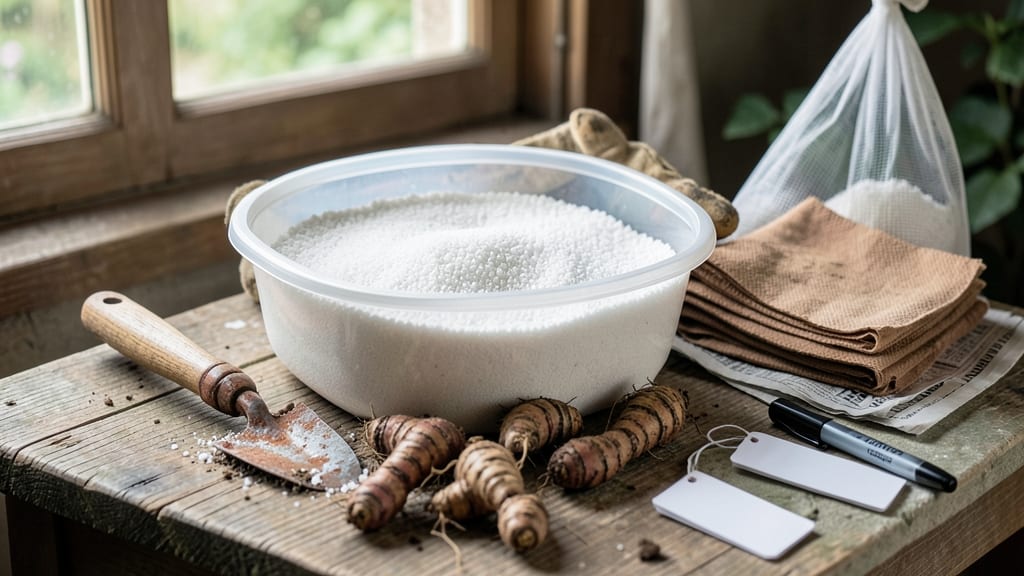
How to keep canna lilies over winter—your bold, tropical-looking plants don’t have to disappear when frost arrives. ✨ These showstopping bloomers can bounce back every spring with just a little winter prep—no green thumb required. I’ve saved mine for years using the same three steps I’ll share, and the results are stunning blooms by summer’s start.
The secret lies in their tubers, not the leaves. When temps drop below 40°F, dig them up before the ground freezes—then cure, dry, and store them in a cool, dark spot.
Most gardeners mess this up by storing tubers too wet or too warm, which leads to rot or mold. A simple paper bag with ventilation works just as well as fancy containers.
By spring, you’ll replant cured tubers and watch them shoot up in 2-3 weeks, often with buds already forming. The payoff? Stunning foliage and blooms that outshine anything you’d buy at a nursery. Even in colder zones, this method keeps them coming back year after year.
Fair warning: Overwatering during storage is the #1 killer. Let those tubers dry completely first, then check them monthly for soft spots. If you live in Zone 8 or warmer, you might even leave them in the ground with mulch—just don’t bet on it surviving a hard freeze.
📚 In This Guide
- What you need
- Instructions
- Tips and common mistakes
- Wrapping up and next steps
What you need
- ● Canna lilies: Dig up healthy tubers (or store-bought ones) with at least 2-3 inches of stem attached.
- ● Well-draining potting mix: 1-2 gallons (use a blend of peat moss, perlite, and compost for aeration).
- ● Containers: Pots with drainage holes (minimum 6-inch diameter for 1-2 tubers; larger for clusters).
- ● Grow lights or sunny window: A full-spectrum LED grow light (12-16 hours/day) or a south-facing window.
- ● Thermometer: To monitor soil temps (ideal: 45–55°F during dormancy).
- ● Pruners or sharp knife: For trimming dead foliage (sterilize with rubbing alcohol!).
- ○ Fungicide (optional but recommended): Copper-based or neem oil spray to prevent rot.
- ● Heating mat: For pots in cooler homes (50–60°F range).
- ● Humidity tray: With pebbles and water to maintain 40–50% humidity.
- ● Garden twine: To label pots (e.g., variety names or planting dates).
- ● Vermiculite or sand: Mix 10–20% into soil for extra drainage.
- ● Dormant spray: Anti-desiccant (like Wilt-Pruf) to protect tubers from drying.
Step-by-step instructions for overwintering canna lilies
Here’s how I’ve kept my canna lilies thriving year after year—no green thumb required.
🌱 Step 1: Dig Up Tubers Before Frost
Wait until the first hard frost threatens, usually when nighttime temperatures drop below 40°F. Cut back the foliage to 2 inches above the ground with clean shears, leaving the tubers in place. This prevents disease while making them easier to spot.
Gently dig around the base with a fork, lifting the tubers and attached soil. Shake off excess dirt—you’ll see brown, knobby tubers about the size of a potato. Rinse them lightly to remove clinging soil, but don’t soak. Let them air-dry for 24 hours in a warm, shaded spot. This step is critical: moist tubers rot in storage.
🪴 Step 2: Cure and Store in Dry Conditions
Place the dried tubers in a paper bag (plastic traps moisture) with a handful of dry peat moss or coconut coir. Store the bag in a cool, dark place—I use the back of my garage shelf—where temperatures stay between 45-55°F. A basement works too, but avoid refrigerators or freezers.
Check the tubers monthly. If you see soft spots or mold, toss the affected ones immediately. Healthy tubers should feel firm and dry. This curing process mimics their natural dormancy, ensuring strong regrowth in spring.
⏰ Step 3: Replant After Last Frost
Wait until the soil warms to at least 60°F—usually 2-3 weeks after your last frost date. Soak the tubers in lukewarm water for 12 hours to rehydrate them. This softens the skin and jumpstarts growth.
Plant them 2-3 inches deep in well-draining soil, spacing them 12-18 inches apart. Water lightly after planting, then wait until the soil surface feels dry before watering again. You’ll see new shoots emerge in 3-4 weeks—that’s your cue to keep the soil consistently moist.
☀️ Bonus: Spring Care for Fast Growth
Once shoots reach 6 inches tall, feed them with a balanced fertilizer (10-10-10) mixed at half-strength. Canna lilies love sun—6+ hours daily—but protect young leaves from intense afternoon rays until they harden off. Mulch around the base with 2-3 inches of straw to retain moisture and regulate soil temperature.
Here’s the thing—if you miss the digging window, don’t panic. Even slightly frozen tubers often survive if stored dry. Just trim off any blackened areas before replanting. With this method, my cannas return bigger and bolder every year.
Tips & tricks for overwintering canna lilies
These simple tricks will help you keep your canna lilies thriving through winter—no gardening degree required.
Timing Secret: Watch for nighttime temperatures dropping below 40°F to trigger your digging window. I’ve learned the hard way that waiting for a full frost can damage tubers—act when temps flirt with that threshold. Mark your calendar based on your local frost dates to stay ahead of the game.
Drying Technique: That 24-hour air-drying isn’t just a suggestion—it’s non-negotiable for preventing rot. Spread tubers on a screen or clean towel in a shaded spot with good airflow. I’ve seen tubers develop mold when rushed, so resist the urge to speed this step up. A fan on low can help if your humidity runs high.
Storage Wisdom: The 45-55°F range is your sweet spot for storage—too cold and growth stalls, too warm and they’ll wake up prematurely. I keep mine in a cardboard box with a thermometer nearby to monitor temps. If your garage gets too chilly, move tubers closer to an exterior wall where temps stay more consistent.
Replanting Readiness: When soil hits 60°F, your tubers are ready to wake up. I test soil temp with a simple thermometer buried 2 inches deep—no guessing involved. The 12-hour soak is your secret weapon for jumpstarting growth; lukewarm water mimics spring rains and prevents shock. Just don’t over-soak, or you’ll soften the tubers too much.
Pro Tips for Keep Canna Lilies Over Winter
- These simple tricks will help you keep your canna lilies thriving through winter—no gardening degree required.
- Timing Secret: Watch for nighttime temperatures dropping below 40°F to trigger your digging window.
- Drying Technique: That 24-hour air-drying isn’t just a suggestion—it’s non-negotiable for preventing rot.
Frequently asked questions
Got questions about winterizing your canna lilies? You’re not alone—many gardeners wonder how to protect these tropical beauties from frost. Here are answers to the most common concerns, so you can keep your cannas thriving year after year!
Can canna lilies survive winter in the ground in cold climates?
Not without help! Canna lilies are not cold-hardy below USDA Zone 8. In colder areas (Zones 7 and below), you’ll need to dig up tubers and store them indoors or use thick mulch to protect them. Even in Zone 8, a heavy blanket of mulch (10+ inches) + frost cloth is a smart move for extra protection.
When is the best time to dig up canna lilies for winter storage?
The ideal time is after the first hard frost (when foliage turns brown and dies back) but before the ground freezes solid. Aim for late fall—typically October to November in most regions. If you wait too long, the tubers may rot in cold, wet soil.
What if I forget to dig up my canna lilies before winter?
Don’t panic! If left in the ground, the tubers may survive in Zone 8+ with heavy mulch, but they’re at risk of rotting or heaving from freeze-thaw cycles. Next year, monitor for regrowth in spring—if they pop up, they likely survived. For colder zones, dig them up as soon as possible in early winter before the ground freezes.
How should I store canna lilies over winter?
Clean the tubers, let them dry for 1–2 days, then store them in a cool (40–50°F), dark, and dry place (like a garage or basement). Use paper bags or cardboard boxes with peat moss or vermiculite to prevent rot. Avoid plastic bags—they trap moisture and cause mold.
Can I leave canna lilies in containers over winter?
Yes! If potted, move containers to a protected spot (garage, shed, or insulated area) before temps drop below 30°F. Cut back foliage, reduce watering, and ensure pots have drainage. In very cold climates, wrap pots in bubble wrap or move them indoors until spring.
Pro Tip:
Label your tubers!
Use toothpicks and tags to mark varieties—cannas come in so many stunning colors (red, yellow, pink, even striped!), and you’ll want to remember which is which when replanting. Happy winterizing!
Wrapping up and next steps
Keeping your canna lilies alive through winter is totally doable with the right care—whether you’re digging and storing tubers or protecting them in the ground! The key is preparation, patience, and a little TLC to ensure they bounce back stronger than ever.
With these simple steps, you’ll be rewarded with vibrant blooms come spring.
Now that you’re armed with the know-how, take action! Start by assessing your climate and supplies, then follow the steps to give your cannas the winter break they deserve. Happy gardening—and may your garden burst with color next season! 🌸