
Pests
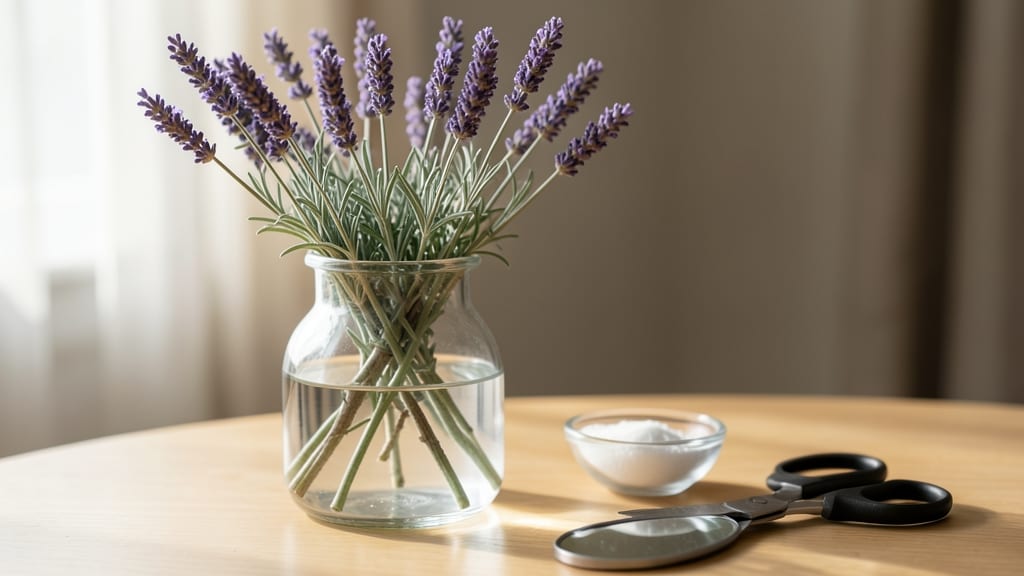
How to keep cut lavender fresh loses its magic fast—unless you know these tricks. ✨ The secret isn’t just drying; it’s timing, trimming, and storage that keeps that signature fragrance alive for months instead of days. I’ve turned wilting stems into fragrant bundles that last through holidays, and you can too.
Start by harvesting stems when 70% of buds are open but still firm. Trim the woody base and strip leaves—too many leaves mean soggy stems. Bundle 5-6 stems together with twine or rubber bands, then hang upside down in a dark, dry, well-ventilated spot (like a closet or shed).
Avoid direct sunlight—it bleaches the color and weakens the scent.
After 2-3 weeks, the lavender should be dry and crumbly when rubbed between fingers. Store in an airtight container away from light to preserve that clean, herbal aroma for up to a year.
Need to revive slightly wilted stems? A quick dip in warm water for 10 minutes brings them back to life—perfect for instant potpourri or decor.
This method works for any lavender variety, whether you’re drying sprigs for sachets, wreaths, or homemade lavender oil. The key is patience—rush it, and you’ll end up with brittle stems that lose their magic. Let nature do the work, and you’ll have fragrant lavender ready for every season.
📚 In This Guide
- What you need
- Instructions
- Tips and common mistakes
- Wrapping up and next steps
What you need
- ● Freshly cut lavender stalks: Choose Lavandula angustifolia (English lavender) or Lavandula x intermedia (garden lavender) with fully bloomed buds (avoid overripe or wilting flowers). Aim for 1–2 bunches (about 10–20 stems per bunch, 8–12 inches long).
- ● Sharp pruning shears or scissors: Clean, sterilized tools to avoid crushing stems or spreading disease. A pair of floral shears works best.
- ● String, rubber bands, or twine: For bundling stems—1–2 feet per bundle (natural fibers like hemp or cotton work best).
- ● Drying location: Option 1 (Best for airflow): A well-ventilated, dry, dark space (e.g., garage, shed, or basement with 50–70°F (10–21°C) and low humidity.
- ● Option 2 (Sunny alternative): A shady outdoor spot (e.g., covered porch or balcony) with morning sun only (avoid direct afternoon sun to prevent fading).
- ● Air-tight storage containers: Glass jars or bottles: 1–2 quart-sized jars with tight-sealing lids (mason jars work great!).
- ○ Fabric pouches: Muslin or breathable cotton bags (optional for sachets).
- ● Silica gel packets: Place 1–2 packets in storage jars to absorb excess moisture (great for long-term preservation).
- ● Food dehydrator: Set to 95°F (35°C) for 2–4 hours if you want to speed up drying.
- ● Desiccant crystals: A small packet in jars to keep humidity at bay.
- ● Labeling tags: To mark harvest date and variety (because who doesn’t love a little organization?).
Step-by-step instructions for preserving cut lavender
Here's my foolproof method for drying lavender that keeps its color and scent for months.
🌿 Step 1: Harvest at Peak Freshness
Pick lavender stems when flowers are fully open but before they turn brown—usually in the early morning after dew has dried. Use sharp scissors or pruners to cut 2-3 inch stems just above a leaf node. This ensures you get the woody base that holds moisture.
Bundle 4-5 stems together with a rubber band and hang upside down immediately. The longer you wait, the more water the stems absorb, making drying harder. I always harvest on a dry day—humidity slows the process and invites mold.
💧 Step 2: Remove Excess Moisture
Strip leaves from the lower 1 inch of each stem using your fingers. Leaves contain more moisture than flowers and can create mold spots during drying. You'll see a noticeable difference in drying speed afterward—less leafy stems dry 2-3 days faster.
Place stems in a paper bag (not plastic) and leave them in a dark, warm (70-75°F) spot for 12-24 hours. This lets any remaining moisture evaporate naturally. Don't skip this—it prevents mildew that ruins bundles overnight.
☀️ Step 3: Choose Your Drying Method
For classic air drying, tie stems into small bundles and hang upside down in a dry, dark, well-ventilated space like a closet or pantry. Keep them away from direct light—UV rays fade lavender's color and scent. You'll know they're ready when stems snap easily (about 2-3 weeks).
For speed drying, spread stems in a single layer on a wire rack in a dry, sunny window (no AC blowing directly on them). Check daily and flip stems to ensure even drying. This takes 5-7 days but requires constant monitoring to prevent mold from trapped moisture.
✂️ Step 4: Store Properly for Long-Lasting Fragrance
Once completely dry, remove rubber bands and place stems in small muslin bags or glass jars with a silica gel packet to absorb any lingering moisture. Store in a cool (60-65°F), dark place—sunlight and heat degrade scent over time. Label with the date to track freshness.
Check bundles every 3 months and toss any that smell musty or lose their color. Properly dried lavender keeps its fragrance for up to 2 years—far longer than store-bought bundles that fade in months. I keep mine in my linen closet for a subtle, long-lasting scent.
Tips & tricks for perfectly preserved lavender
Here's what I've learned after drying lavender the hard way—these little details make all the difference between fragrant bundles and sad, musty remnants.
Harvest Timing: The early morning is your best friend because dew has dried but humidity is still low. I've ruined batches by harvesting in the afternoon when stems absorb more moisture from the air. If you must harvest later, use a fan to dry them for an extra 30 minutes before bundling.
Bundle Size Matters: Stick to 4-5 stems per bundle—any more and the center stays too damp. I used to make fat bundles with 8-10 stems, and they'd develop mold spots in the middle even after weeks. The smaller bundles also dry more evenly, giving you consistent results every time.
Temperature Control: That warm 70-75°F spot for the 12-24 hour moisture-removal step is crucial. I learned this after leaving my lavender in a cool basement (60°F) where it took 48 hours to dry properly—and still developed some mold. Use a thermometer if you're unsure about your kitchen's temperature. A warm, dark closet works perfectly.
Storage Secret: The silica gel packet in your storage container isn't just for show—it's what keeps your lavender fresh for 2 years. I've seen people skip this and their lavender loses scent within 6 months. Place the packet directly in the jar with the stems, not just on top of the lid. For extra protection, add a tiny pinch of dried lavender buds to the packet itself.
Pro Tips for Keep Cut Lavender Fresh
- Here's what I've learned after drying lavender the hard way—these little details make all the difference between fragrant bundles and sad, musty remnants.
- Harvest Timing: The early morning is your best friend because dew has dried but humidity is still low.
- Bundle Size Matters: Stick to 4-5 stems per bundle—any more and the center stays too damp.
Frequently asked questions
Got questions about keeping your cut lavender fresh? You’re not alone! Here are answers to the most common concerns—so you can enjoy that dreamy lavender scent for as long as possible.
How long does cut lavender stay fresh if dried properly?
When dried correctly, lavender retains its fragrance and color for 1–2 years if stored in a cool, dark place (like a sealed glass jar). For best results, bundle stems and hang them upside down in a dry, airy spot for 2–3 weeks before storing.
Can I speed up the drying process?
Yes! If you’re in a hurry, try these tricks:
- Oven drying: Spread stems on a baking sheet at 200°F (95°C) for 30–60 minutes (check frequently).
- Microwave method: Place stems in a paper bag with a hole and microwave for 1–2 minutes (test for dryness).
- Dehydrator: Use at 95°F (35°C) for 2–3 hours.
What’s the best way to store dried lavender to keep it smelling strong?
Store dried lavender in airtight containers (glass jars or tin boxes work best) away from moisture and sunlight. Add a bay leaf or a drop of lavender essential oil to boost fragrance. For extra freshness, place a silica gel packet in the container to absorb humidity.
Why does my dried lavender smell weak or musty?
Weak or musty smells usually mean moisture or mold sneaked in. Check these fixes:
- Re-dry the lavender at 200°F (95°C) for 10–15 minutes to kill mold.
- Store in a desiccant-filled container (like a jar with rice or silica gel).
- Avoid plastic bags—trapped moisture = faster spoilage.
Can I use fresh lavender instead of dried for crafts or cooking?
Fresh lavender works for cooking (sparingly!) or temporary crafts, but it loses fragrance quickly. For long-term use, drying is a must. If you’re using fresh lavender in recipes, remove stems and use only the buds—they’re the most flavorful part!
Wrapping up and next steps
Keeping your cut lavender fresh is all about timing, technique, and a little tender love—whether you’re drying it for sachets, potpourri, or culinary uses.
With the right tools (like dried lavender buds or fresh stems), proper air circulation, and a dash of patience, you’ll enjoy that heavenly lavender scent for months. Now that you’re armed with these drying secrets, why not experiment with lavender-infused projects?
Try crafting a DIY lavender pillow, whipping up a soothing tea, or gifting handmade bundles—your home (and senses) will thank you! 🌸✨