
Blooming
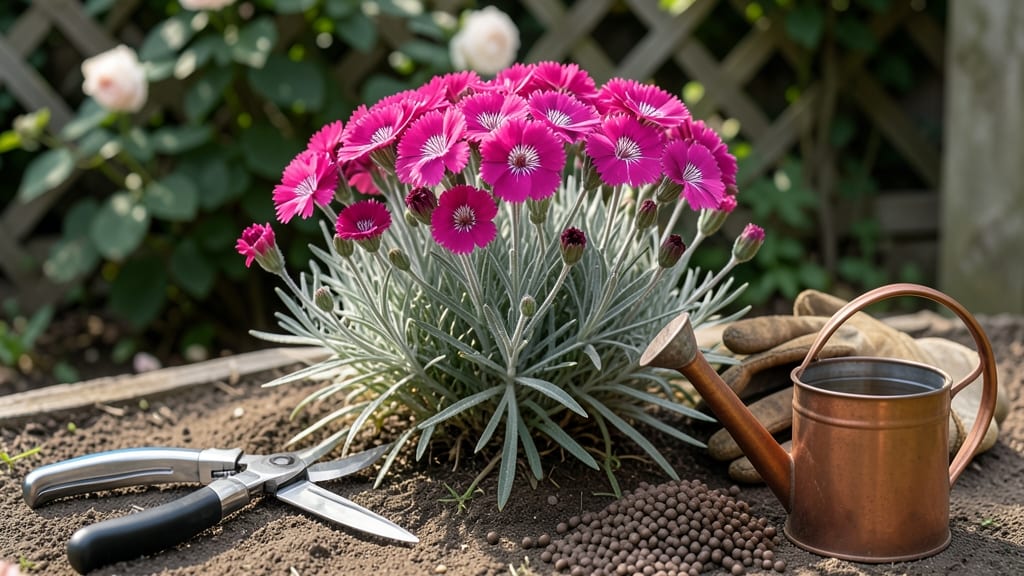
How to keep dianthus blooming—that’s the magic of deadheading, and it’s easier than you think. I’ve kept my pink and white dianthus flowering for nearly six months straight using these simple tricks, and your garden can too. The secret lies in timing and technique: snip spent blooms at the right spot, and the plant redirects energy into fresh flowers instead of seed production. Overwatering or poor sunlight are the real villains here—both lead to leggy stems and sparse blooms. But with the right adjustments, you’ll see new buds forming within 2-3 weeks. What you’ll end up with is a cloud of color that lasts from spring through fall, with minimal effort. The fragrance alone makes it worth the work—like walking through a cottage garden every time you pass by. Works for both perennial and annual varieties, and even thrives in containers. Let’s get those shears ready!
📚 In This Guide
- What you need
- Instructions
- Tips and common mistakes
- Wrapping up and next steps
What you need
- ● Dianthus plants: Healthy, established plants (potted or in-ground). Choose varieties like Dianthus barbatus (Sweet William) or Dianthus chinensis for long blooms.
- ● Pruning shears or clean, sharp scissors: A pair of bypass pruners (sterilized with rubbing alcohol) to avoid spreading disease.
- ○ Gloves (optional): Lightweight gardening gloves to protect hands from thorns or rough stems.
- ● Compost or slow-release fertilizer: Balanced 10-10-10 or 20-20-20 (follow package instructions for dosage).
- ● Watering can or hose with a gentle nozzle: Avoid blasting flowers—opt for drip irrigation or soaker hoses for precision.
- ● Garden trowel or hand fork: For lightly aerating soil around roots if plants look stressed.
- ○ Mulch (optional): Organic mulch (like straw or shredded bark) to retain moisture and suppress weeds.
- ● Spray bottle (for potted dianthus): To mist leaves if humidity is low in containers.
- ● Sunlight: Full sun (6+ hours/day) for most varieties; some tolerate partial shade.
- ● Well-draining soil: Mix in sand or perlite if your soil is heavy clay.
- ● Moderate watering: Keep soil consistently moist but not soggy—dianthus hates "wet feet."
Step-by-Step instructions for keeping dianthus in continuous bloom
Here's the simple routine I rely on to keep my dianthus flowering nonstop—no fancy tools or complicated steps.
✂️ Step 1: Deadhead Flowers Daily (or Every Other Day)
Use clean, sharp pruners or your fingers to pinch off spent blooms at the base where the flower meets the stem. This prevents seed formation, which signals the plant to stop flowering. I check my dianthus every morning—those wilted blooms won't last until afternoon, and you want to remove them before they drop petals.
Look for the first sign of fading color or drooping petals—that's your cue. Cut just above a set of healthy leaves or a side bud if one exists. This encourages new growth while maintaining the plant's energy for more blooms. Never cut into woody stems; you'll damage the plant's structure and slow down future flowering.
🌿 Step 2: Prune Leggy Growth After Each Blooming Cycle
After the main flush of flowers fades, examine the plant for stems that have stretched too tall or become bare at the bottom. These leggy stems won't produce many blooms and look untidy. Using clean pruners, cut these stems back to within 1-2 inches of the base or to a healthy side shoot.
This pruning stimulates bushier growth and encourages more compact, flowering stems. I usually do this in early summer and again in late summer after the second major blooming cycle. The key is to prune right after flowers fade, not before—you want to let the plant enjoy its current blooms before redirecting energy.
💧 Step 3: Water Deeply but Infrequently
Dianthus thrives on neglect when it comes to watering. Water deeply once a week during dry spells, allowing the soil to dry out completely between waterings. The plant's fleshy leaves store moisture, so frequent shallow watering leads to weak growth and fewer blooms. Stick your finger 1 inch into the soil—if it feels dry, it's time to water.
Water at the base of the plant in the morning to prevent evening moisture from lingering on leaves, which can cause fungal issues. Overwatering is the fastest way to kill dianthus—yellowing leaves or mushy stems are sure signs you're watering too much. Let the soil get bone-dry between waterings, even if the plant looks a little wilted.
☀️ Step 4: Ensure Full Sun and Well-Draining Soil
Dianthus needs 6-8 hours of direct sunlight daily to produce its best blooms. If your plants are in partial shade, they'll produce fewer flowers and may become leggy. Move them to a sunnier location if needed, or supplement with a grow light if you're growing them in containers indoors.
Check your soil's drainage—dianthus hates soggy roots. Amend heavy clay soil with sand or grit to improve drainage, or plant in raised beds if your garden soil holds too much moisture. The roots should never sit in water, even after heavy rain. If your soil is well-draining but still too dense, consider planting dianthus in containers with a cactus/succulent mix for optimal performance.
🌱 Step 5: Feed Lightly During Active Growth
Apply a balanced, water-soluble fertilizer (like 10-10-10) at half strength every 4-6 weeks during the growing season. I start fertilizing in early spring and stop after the second summer blooming cycle. Too much fertilizer leads to lush foliage but fewer flowers—dianthus prioritizes blooms over leaves, so keep feeding light.
Look for signs of nutrient deficiency, like yellowing leaves or stunted growth. If you notice these, increase the frequency slightly but never exceed the recommended strength. Organic options like fish emulsion or compost tea work well too, but always dilute them to avoid burning the roots. Stop fertilizing completely in late summer to allow the plant to harden off for winter.
Tips & tricks for keeping dianthus blooming longer
These little tricks will help your dianthus put on a nonstop floral show all season long.
Timing is Everything: In Step 1, when you're deadheading, don't wait until flowers are completely wilted. The moment you notice petals starting to curl or color fade is your cue. I've found that morning deadheading works best because the blooms are fresher and haven't had a chance to drop petals overnight. This keeps your plants looking their absolute best and encourages continuous blooming.
Pruning Precision: When you're pruning leggy growth in Step 2, pay close attention to where you make your cuts. Always cut back to within 1-2 inches of the base or to a healthy side shoot. I've learned that cutting too close to the base can damage the plant's growth points, while leaving too much stem can result in weak, non-flowering growth. This precise pruning technique is what creates that lush, bushy appearance that produces so many blooms.
Watering Wisdom: The once-a-week watering schedule in Step 3 might seem counterintuitive, but it's crucial. I've seen many gardeners overwater dianthus, thinking they need constant moisture, only to end up with weak plants and fewer flowers. The key is to let the soil dry out completely between waterings. This drought-tolerant habit actually encourages stronger root systems and more abundant blooming.
Sunlight Strategy: For maximum blooms, make sure your dianthus gets that full 6-8 hours of sunlight mentioned in Step 4. If you notice your plants becoming leggy or producing fewer flowers, they might need more light. I've had great success moving container-grown dianthus to sunnier spots during the day or supplementing with grow lights in early spring and fall when daylight is shorter.
Pro Tips for Keep Dianthus Blooming
- These little tricks will help your dianthus put on a nonstop floral show all season long.
- Timing is Everything: In Step 1, when you're deadheading, don't wait until flowers are completely wilted.
- Pruning Precision: When you're pruning leggy growth in Step 2, pay close attention to where you make your cuts.
Frequently asked questions
Got questions about keeping your dianthus blooming nonstop? Here are some of the most common ones—and their answers!
Why does my dianthus stop blooming after a few weeks?
Dianthus often fades because of spent blooms, overcrowding, or poor care. Deadheading (removing faded flowers) is key—it signals the plant to produce more blooms. Also, check for over-fertilizing with high-nitrogen (which encourages leaves over flowers) or shady spots (they love full sun!).
How often should I deadhead dianthus for continuous blooms?
Deadhead every 2–3 days during peak bloom season (spring to fall) to keep energy focused on new flowers. For everblooming varieties, a weekly check is a good rule of thumb. Pro tip: Use clean pruners or pinch flowers by hand—no need for fancy tools!
Can I cut back dianthus after the first flush of blooms?
Yes! After the initial bloom cycle, trim back 1/3 of the plant’s height to encourage bushier growth and a second (or third!) wave of flowers. Do this in early summer for perennial types. Warning: Avoid heavy pruning in late summer—it may delay fall blooms.
Does deadheading affect watering needs?
Deadheading itself doesn’t change watering, but new growth after trimming needs consistent moisture. Water at the base (not leaves) to prevent fungal issues. Drought stress can also trigger bud drop—keep soil evenly moist (but not soggy) for best results.
What if my dianthus blooms but then turns leggy?
Leggy dianthus often means too little light or over-fertilizing. Move it to 6+ hours of sun daily and switch to a low-nitrogen, high-phosphorus fertilizer (like 5-10-10) to boost blooms. Pinching back leggy stems can also encourage compact growth.
Wrapping up and next steps
Keeping your dianthus blooming long into the season is all about consistent care—deadheading spent flowers, providing the right sunlight, and ensuring proper watering and soil conditions. With these simple tricks, you’ll enjoy vibrant blooms for months! 🌸
Now that you’re armed with the know-how, grab those pruners and get ready to transform your garden into a nonstop color show. Start with just one plant, master the technique, and soon, your entire dianthus patch will be thriving—one deadhead at a time! 🌿✨