
Lawn
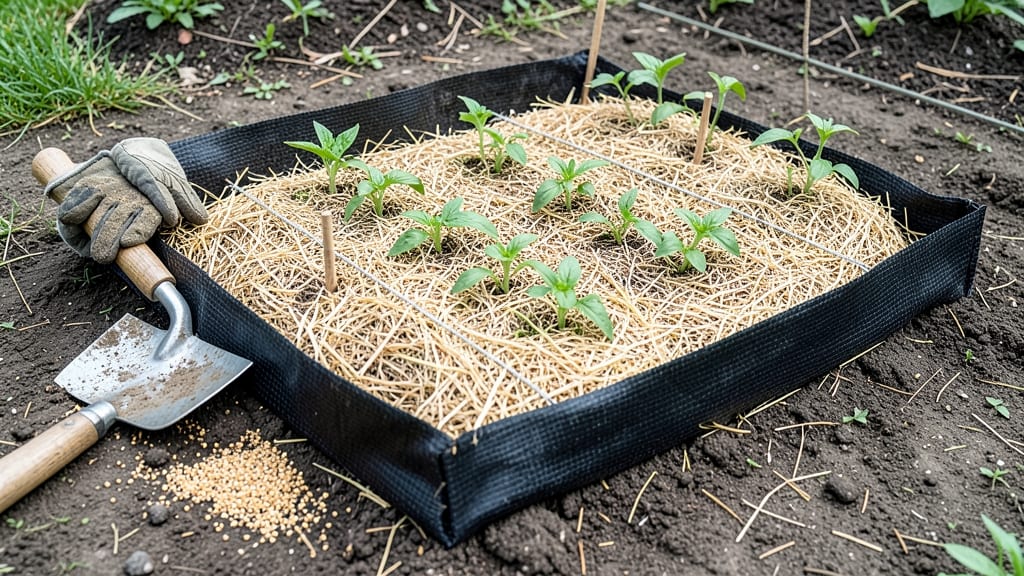
How to keep grass out of your vegetable garden is the battle every gardener loses—until now. 🌱 I’ve lost entire rows of carrots and lettuce to creeping grass, but this boiling water barrier method finally gave me the clean, weed-free beds I’ve been dreaming of—permanently.
The secret isn’t just smothering the grass—it’s cutting off its roots at the source. You’ll need a large pot of boiling water, a long-handled spoon or stick, and a sunny day to work.
Pour the water along the edges of your garden beds, creating a 1-inch-wide barrier that kills grass roots without harming your soil or plants.
Within 48 hours, you’ll see the grass turn brown and crispy, and new sprouts will stop appearing. The best part? This method works on stubborn grass, even the kind that keeps coming back after other treatments fail. Your vegetables will finally have the space—and nutrients—they deserve.
Works for raised beds, in-ground gardens, and even between rows. Just avoid pouring on plants or soil you want to keep—this is a precision strike against grass. Let’s get that garden back under your control.
📚 In This Guide
- What you need
- Instructions
- Tips and common mistakes
- Wrapping up and next steps
What you need
- ● Boiling water: At least 5 gallons (or more, depending on garden size). Use a large pot, kettle, or rent a boiling water machine for bigger areas.
- ● Heavy-duty gloves: Heat-resistant (e.g., silicone or insulated) to protect your hands.
- ● Long-handled ladle or pouring spout: To safely direct the boiling water without splashing.
- ○ Garden hose with a spray nozzle: For pre-wetting the grass (optional but helpful for deeper penetration).
- ● Shovel or garden spade: To loosen soil along the garden edges (if needed).
- ● Measuring tape or string: To mark a 6–12-inch-wide barrier around your garden (wider = better long-term results).
- ○ Mulch or landscape fabric: Optional but recommended for post-treatment (e.g., black plastic, cardboard, or straw mulch to block regrowth).
- ● Vinegar (1 part) + dish soap (1 tbsp per gallon): Mix with boiling water for an extra natural herbicide boost.
- ● Salt (rock salt): Sprinkle lightly along the barrier line after boiling water treatment (use sparingly—it can harm soil over time).
- ● Garden edging: Metal or plastic strips to physically block grass creep after treatment.
- ● Safety goggles: To protect your eyes from steam or splashes.
Step-by-Step instructions for creating a boiling water grass barrier
Here's the method I rely on to stop grass from creeping into my vegetable beds—no chemicals, no digging, just heat and patience.
🔥 Step 1: Mark Your Barrier Line and Gather Supplies
Use a garden hose or string to outline your 4-inch-wide barrier along the garden edge. This is where the boiling water will go, so precision matters. I like to use a wooden dowel or metal rod to create a straight line—just press it into the soil and follow it as you work. Clear away any loose debris or mulch from this zone first.
Grab your large pot or kettle (at least 2 gallons capacity) and fill it with water. Place it on a heat source and bring it to a rolling boil. The hotter the water, the more effective the kill—212°F is your target. Keep a garden hose with a gentle spray nozzle nearby for rinsing and a glove to protect your hands.
💧 Step 2: Pour Boiling Water Along the Marked Line
Start at one corner of your marked line and pour the boiling water slowly and steadily along the entire length. You want a continuous stream—no gaps. The water should soak into the soil to a depth of about 1-2 inches, killing grass roots and seeds on contact. Work in 2-foot sections to keep the water hot as you go.
If you notice steam rising unevenly, that’s a good sign—it means the heat is penetrating. Don’t rush; let the water soak in fully before moving to the next section. I like to pour two passes over the same line for extra insurance, especially if the grass is thick or stubborn.
✂️ Step 3: Monitor and Maintain the Barrier
After pouring, you’ll see the soil darken where the water hit—that’s the dead zone. Check for any grass sprouts or regrowth within 2-3 days. If you spot any survivors, pour boiling water directly on them. The barrier isn’t instant; it takes 7-10 days for the roots to fully decompose and stop growing.
Once the line is clear, rinse the area lightly with cool water to prevent the soil from becoming too alkaline. This step also helps settle the soil and makes it ready for edging or mulch. I like to add a thin layer of mulch (like straw or wood chips) along the barrier to keep new grass seeds from blowing in.
🌱 Step 4: Reinforce the Barrier Seasonally
Grass is persistent, so repeat the boiling water treatment every 3-4 months during the growing season. I schedule it in early spring, late summer, and fall—just before rain or irrigation would dilute the effect. Each time, the barrier becomes stronger as the soil becomes less hospitable to grass roots.
For long-term success, combine this method with physical edging (like metal or plastic barriers) or landscape fabric buried 2 inches deep along the garden edge. The boiling water kills what’s there, while the edging prevents new grass from invading. It’s a two-pronged attack that works.
🌿 Step 5: Integrate With Your Garden Maintenance
After establishing the barrier, keep the area weed-free by hand-pulling any new grass or weeds that pop up. I like to water the vegetable garden deeply but avoid letting water spill over the barrier—this keeps the treated zone dry and less inviting for grass seeds.
If you’re using mulch, apply it away from the barrier line to avoid smothering your vegetables. The goal is to create a clean, defined edge that protects your garden while looking intentional. Over time, the barrier will weaken slightly, so stay vigilant—especially in high-traffic or windy areas where grass seeds love to land.
Tips & tricks for creating an effective boiling water grass barrier
Here's what I've learned after years of battling grass at the garden's edge—these tricks make all the difference between a temporary fix and long-term success.
Precision is Key in Step 1: That 4-inch-wide barrier isn't arbitrary—it's the perfect width to kill grass roots while leaving enough space to work. Use your wooden dowel or metal rod to create perfectly straight lines, especially around curves. I mark the center of the dowel with tape to ensure consistent spacing every time. The straighter your line, the easier maintenance becomes later.
Heat Consistency Matters: You're aiming for that rolling boil at exactly 212°F, but here's the secret: maintain it until you're ready to pour. I keep my pot on the stovetop with the lid slightly ajar—this prevents temperature drops when I add more water. If you notice the water isn't steaming vigorously when you pour, heat it up again. Grass roots need that consistent heat to die completely.
Double Down on Tough Grass: When you see stubborn grass patches in Step 2, don't hesitate to pour that second pass. I've found that thick, established grass needs both applications to fully die back. Focus on areas where the soil looks particularly rich or where grass has sprouted multiple times. The extra effort now saves hours of weeding later—trust me on this.
Seasonal Timing Strategy: The instructions mention treating every 3-4 months, but here's my pro move: schedule your treatments right before expected rains. That 7-10 day window when roots decompose is critical—don't let rain dilute your efforts. I mark my calendar for early May, late July, and September to stay ahead of grass growth cycles in my climate zone.
Pro Tips for Keep Grass Out Of Vegetable Garden
- Here's what I've learned after years of battling grass at the garden's edge—these tricks make all the difference between a temporary fix and long-term success.
- Precision is Key in Step 1: That 4-inch-wide barrier isn't arbitrary—it's the perfect width to kill grass roots while leaving enough space to work.
- Heat Consistency Matters: You're aiming for that rolling boil at exactly 212°F, but here's the secret: maintain it until you're ready to pour.
Frequently asked questions
Here are some common questions (and answers!) about keeping grass out of your vegetable garden—especially with a boiling water barrier method.
How long does it take for grass to stop growing after using boiling water?
Grass roots typically die within 24–48 hours after exposure to boiling water, but regrowth may take 1–3 weeks to fully disappear. For permanent results, repeat the treatment every 2–4 weeks until the area stays bare. Patience is key—consistency wins!
When is the best time of year to treat grass in my garden?
The ideal time is early spring or late summer when grass is actively growing but before extreme heat or cold. Avoid treating during droughts or right after rain—soil should be slightly moist for boiling water to penetrate roots effectively. Pro tip: Do it on a calm day to prevent wind from scattering the water.
Will boiling water hurt my vegetables if I spill it nearby?
Boiling water can burn plant tissue if spilled directly on leaves or stems, but it’s safe for soil and roots of established veggies. Keep the treatment at least 6–12 inches away from your plants. For extra safety, apply mulch or a barrier (like cardboard) around your garden edges before treating.
What if grass keeps coming back after I treat it?
Persistent grass usually means roots or seeds survived or are spreading from nearby lawns. To troubleshoot:
- Check edges: Extend your barrier 1–2 feet wider to catch stray roots.
- Reapply boiling water: Treat again if regrowth appears.
- Use a pre-emergent: Apply a natural herbicide (like corn gluten meal) in early spring to block new seeds.
Are there cheaper or easier alternatives to boiling water?
Yes! Try these low-cost, low-effort methods:
- Vinegar + salt: Mix 1 gallon white vinegar + 1 cup salt and spray on grass (reapply weekly).
- Cardboard/sheet mulch: Lay thick cardboard under mulch to smother grass over time.
- Flame weeder: Rent or buy a propane torch to burn grass (safe if used carefully!).
Boiling water is permanent and chemical-free, but these options work for smaller areas or budget constraints.
Wrapping up and next steps
Keeping grass out of your vegetable garden doesn’t have to be a battle—with the right techniques, like a boiling water barrier, you can smother those pesky roots for good! 🌱✨ Whether you choose mulch, edging, or natural repellents, consistency is key.
Your veggies will thank you with healthier growth and fewer weeds.
Ready to reclaim your garden? Start small—pick one method, test it out, and watch your space transform. Happy gardening!