Planting
How to keep a plant alive in just 5 minutes a day saved my third houseplant—and it can do the same for yours. I’ve killed more plants than I’d like to admit, but this simple check-in keeps them thriving—no green thumb required. The secret? Just three quick observations that catch problems before they spiral.
Start with the soil: stick your finger in up to an inch. If it’s bone-dry, water thoroughly until it drains from the bottom. If it’s soggy, let it dry out for a day.
Next, check the leaves for anything out of the ordinary—yellowing, spots, or webbing. Finally, give it a gentle wiggle: if it slides easily, it needs repotting. That’s it. No complicated charts or guesswork.
You’ll notice the difference in days: leaves stay plump and vibrant, not crispy or droopy. Roots grow stronger, and pests get caught early before they take over.
The routine works for everything from snake plants to ferns—just adjust the watering based on the plant’s needs. No more mystery wilting or sudden death.
Honestly, I’ve had plants live for years using this method. The key is consistency—those five minutes every morning or evening make all the difference. Once you see your plants responding, you’ll wonder why you didn’t start sooner. Let’s get those green friends back in fighting shape!
📚 In This Guide
- What you need
- Instructions
- Tips and common mistakes
- Wrapping up and next steps
What you need
- ● Pot with drainage holes (1 per plant; size depends on plant type—small for succulents, medium for herbs, large for trees)
- ● Well-draining potting soil (1 bag; check the label for plant-specific blends like "cactus mix" or "organic potting soil")
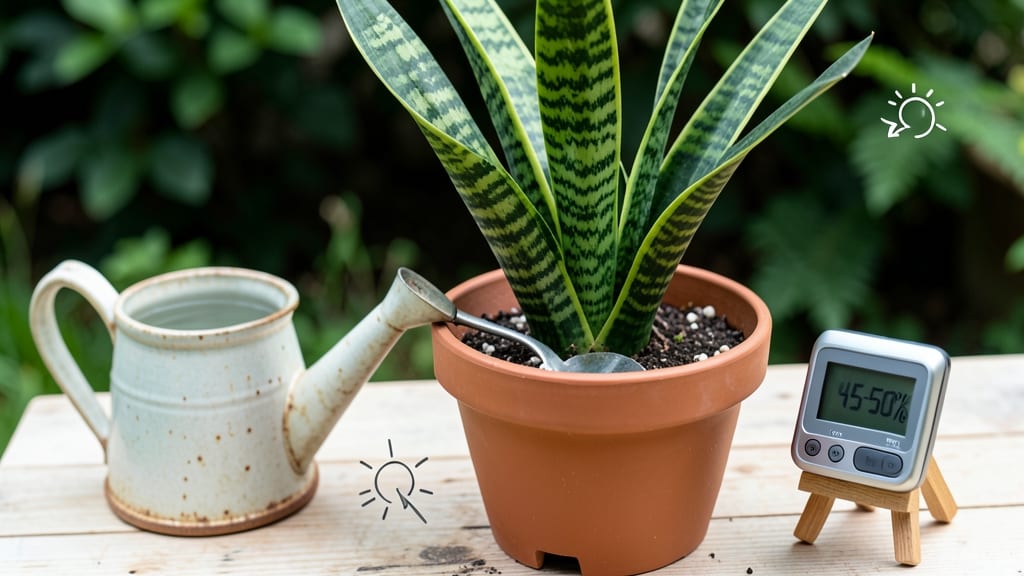
- ● Watering can or spray bottle (1; 16–32 oz capacity for most plants)
- ● Light source (natural sunlight or a grow light for indoor plants; 6–12 inches from leaves for optimal growth)
- ● Humidity tray or pebbles (1; for tropical plants like ferns or calatheas)
- ● Pruning shears (1 pair; for trimming dead leaves or overgrowth)
- ● Fertilizer (1 bottle; liquid or slow-release; use every 4–6 weeks)
- ● Plant food or compost (1 small bag; for nutrient boosts)
- ● Soil moisture meter (1; to avoid over/under-watering)
- ● Misting bottle (1; for humidity-loving plants)
- ● Plant labels (1 pack; to track watering schedules and plant names)
Instructions: the 5-Minute daily routine that works
Here’s the simple system I’ve used to keep plants thriving—no guesswork, just consistent care.
Check Soil Moisture Before Watering
Stick your finger about 1 inch deep into the soil. If it feels dry, it’s time to water. If it’s still damp, wait another day. Overwatering is the #1 killer of houseplants—roots need air as much as they need moisture. I tap the pot gently to see if it feels light; that’s my signal it’s thirsty.
Use room-temperature water to avoid shocking the roots. Cold water can stunt growth or even kill sensitive plants like ferns. Fill a clean spray bottle or watering can with water, and let it sit out for a few hours before use. This small step prevents root rot and keeps your plant healthy.
Inspect Leaves for Signs of Stress
Run your fingers gently over the leaves to check for dust or pests. Dust blocks light, so wipe leaves with a damp cloth if they feel gritty. Yellowing leaves often mean overwatering, while brown, crispy edges signal underwatering or low humidity. I keep a small handheld magnifying glass handy to spot tiny spider mites or aphids early.
If you notice wilting, don’t water immediately—check the soil first. Some plants, like succulents, wilt when they’re ready to drink. Others, like peace lilies, wilt when thirsty. Learn your plant’s language: droopy leaves on a succulent mean it’s happy; droopy leaves on a peace lily mean it’s begging for water.
Rotate the Plant Weekly
Turn the pot a quarter turn every week so all sides get equal light. You’ll notice new growth leaning toward the window? That’s your plant stretching for sunlight. Uneven light causes leggy stems and weak leaves. I set a reminder in my phone for “plant rotation day”—it takes 10 seconds but makes a huge difference.
If your plant is near a window, check for hot spots. A leaf touching glass can scorch in direct afternoon sun. Move it back a few inches if you see brown patches. South-facing windows get the most intense light, so monitor closely. North-facing spots are gentler but may need supplemental grow lights in winter.
Dust and Prune as Needed
Every other week, dust leaves with a soft brush or damp cloth. Dust buildup blocks sunlight, which slows growth. I use a microfiber cloth dampened with water—just enough to wipe away dust without soaking the leaves. For larger plants, a shower in the sink (with the drain covered) works wonders.
Trim dead or yellowing leaves with clean scissors. Cut just above a leaf node where new growth can sprout. This isn’t just about looks—removing dead leaves helps the plant focus energy on healthy parts. I prune in the morning so cuts have the whole day to heal. Avoid pruning in the evening when humidity is higher.
Watch for Seasonal Adjustments
In winter, reduce watering—most indoor plants grow slower when days are shorter. I water about 25% less in winter months, checking soil moisture more carefully. Overwatering in cold weather suffocates roots. If your home is dry from heating, group plants together to create a microclimate with higher humidity.
In summer, increase airflow gently with a small fan on low. This mimics outdoor breezes and prevents fungal issues. I place my fan near (not directly on) the plant for a few hours a day. Watch for signs of stress: crispy edges from dry air or sudden leaf drop from temperature swings. Adjust care based on what you observe, not just the calendar.
Tips & tricks for plant care success
This routine works because it's rooted in plant biology—not guesswork. Here's how to make it even easier and more effective.
The Finger Test Trick: When checking soil moisture in Step 1, press your finger gently into the soil. If it springs back slowly, that's perfect—your plant's roots are getting just the right amount of moisture. If it springs back immediately, wait another day. This simple test saves plants from both underwatering and overwatering, which are the two biggest killers.
Pest Prevention in Step 2: While you're inspecting your plant, pay special attention to the stems and new growth areas—these are where pests often hide. I keep a small bottle of rubbing alcohol and cotton swabs handy to wipe down any suspicious spots immediately. Early detection is key to preventing a full-blown infestation that could take weeks to eliminate.
Light Rotation Hack: For Step 3, if you forget to rotate your plant weekly, don't worry—just check for uneven growth. If one side is stretching toward the light while the other stays compact, it's time to rotate. I've had plants recover from months of neglect with just this simple adjustment. The key is consistency, not perfection.
Fertilizer Timing: In Step 5, remember that plants don't need fertilizer when they're dormant. During fall and winter months, skip the monthly feeding entirely. I mark my calendar with seasonal reminders to avoid this common mistake. The right timing makes all the difference between a thriving plant and one that gets chemical burns from over-fertilizing.
Pro Tips for Keep Plant Alive
- This routine works because it's rooted in plant biology—not guesswork. Here's how to make it even easier and more eff...
- The Finger Test Trick: When checking soil moisture in Step 1, press your finger gently into the soil. If it springs b...
- Pest Prevention in Step 2: While you're inspecting your plant, pay special attention to the stems and new growth area...
Frequently asked questions
Got questions about keeping your plant thriving? You’re not alone! Here are answers to the most common concerns—so you can enjoy lush, happy greenery without the guesswork.
Why is my plant’s leaves turning yellow?
Yellow leaves usually mean overwatering or poor drainage. Check the soil—if it’s soggy, let it dry out. Yellowing can also signal nutrient deficiency or too much sunlight. Trim the affected leaves and adjust care based on your plant’s needs (e.g., succulents need less water than ferns!).
How often should I water my plant?
There’s no one-size-fits-all rule, but stick your finger 1–2 inches into the soil. Water when it feels dry. Most houseplants thrive on a weekly watering schedule, but succulents may only need water every 2–3 weeks. Always use room-temperature water and avoid soggy soil—drainage is key!
Can I keep my plant alive with just artificial light?
Yes! If natural light is limited, LED grow lights or fluorescent bulbs (12–16 hours/day) work well. Place the light 6–12 inches above the plant and adjust based on leaf color—pale or stretched leaves mean it needs more light. Rotate the plant occasionally for even growth.
What do I do if my plant’s soil smells bad?
A foul odor usually means root rot from overwatering. Act fast: Remove the plant from its pot, trim mushy roots (sterilize scissors with rubbing alcohol), and repot it in fresh, well-draining soil. Let the soil dry out completely between waterings moving forward. Prevent future issues by using pots with drainage holes!
How can I tell if my plant is getting enough sunlight?
Observe the leaves: Dark green and glossy = happy plant. Leggy or pale leaves = not enough light. Brown or crispy edges = too much sun. Most plants prefer bright, indirect light (like near a window with a sheer curtain). Rotate your plant weekly for even exposure!
Wrapping up and next steps
Keeping your plant alive doesn’t have to be complicated—just consistent! With a little attention to light, water, and care, your green friend will thrive in just five minutes a day. Start small, stay patient, and soon you’ll be rewarded with lush, happy foliage. 🌱
Ready to take the next step? Pick one plant today, grab your