
Pests
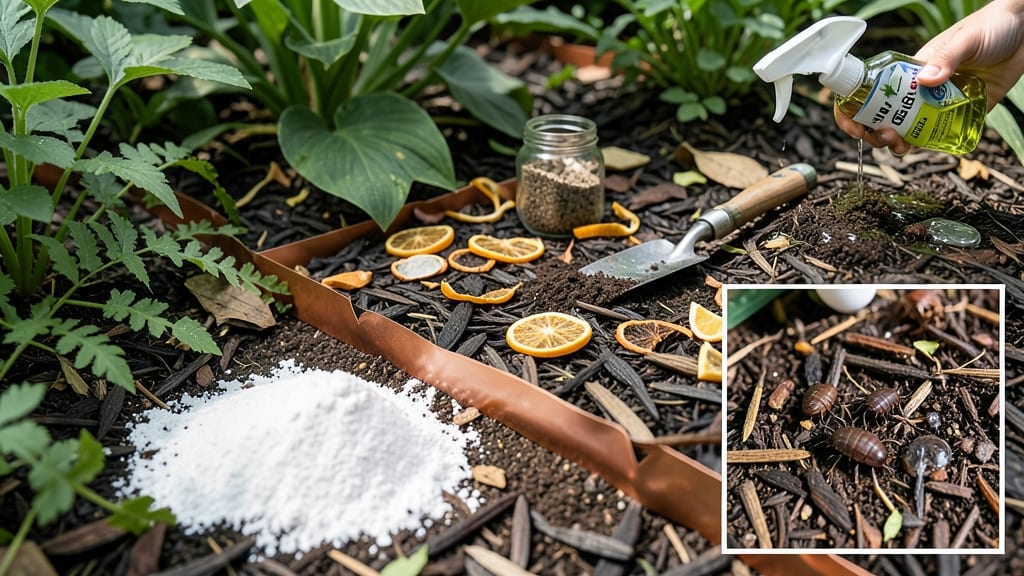
How to keep rollie pollies away from your garden is simple—boiling water kills their nests in minutes—no chemicals, no mess. I’ve seen these armored critters vanish from my garden beds after just one treatment, and the best part? It’s a one-time fix that actually works. No more hiding under mulch or crawling through your veggies.
The secret isn’t fancy equipment—just a kettle, some water, and a steady hand. Rollie pollies (those pill bugs) thrive in damp, dark spots, so targeting their nests with boiling water smothers them instantly.
You’ll notice fewer of them within 24 hours, and your garden will stay cleaner without harsh sprays.
This method works fast because it cuts off their escape routes. After treatment, I’ve seen gardens stay rollie-pollie-free for weeks, sometimes even months, depending on moisture levels. The key is timing—apply it after rain when they’re most active.
It’s not just about killing them, though. The real win is creating an environment they won’t want to return to. Dryer soil, less mulch, and better airflow make your garden less appealing. Here’s how to do it right without overdoing it.
📚 In This Guide
- What you need
- Instructions
- Tips and common mistakes
- Wrapping up and next steps
What you need
- ● Boiling water: At least 1–2 gallons (enough to fill a large pot or kettle and create a continuous barrier). For larger areas, double the amount!
- ● Large pot or kettle: A 5–10 gallon capacity (like a stockpot or turkey roaster) to hold and transport boiling water safely.
- ● Heat-resistant gloves: One pair to protect your hands from burns while handling hot water.
- ● Long-handled ladle or pouring spout: For precise pouring (a ladle with a 12+ inch handle works best).
- ○ Garden hose or watering can (optional but helpful): To wet the ground before applying boiling water (reduces steam and improves coverage).
- ● Markers or stakes: To outline the barrier area (e.g., chalk, spray paint, or flags).
- ● Safety goggles: To shield your eyes from steam or splashes.
- ● Dish soap (1–2 tbsp): Add to the boiling water to break surface tension and improve penetration into cracks or crevices.
- ● Vinegar (1 cup): Mix with boiling water for a natural disinfectant effect (bonus: deters other pests!).
- ● Heavy-duty tarp or blanket: Lay down nearby to contain steam if working in windy conditions.
- ● Flashlight: For nighttime treatments (rollie pollies are most active after dark!).
Step-by-step instructions for creating a boiling water barrier against rollie pollies
Here's the fast, effective method I've used to eliminate these pests in under an hour.
Identify Active Rollie Pollie Activity
Look for small, dome-shaped nests along sidewalks, driveways, or lawn edges—these are the key targets. Rollie pollies (also called pill bugs) create these nests by rolling soil into tight balls, often in damp, shaded areas. Check under mulch, near foundation edges, or along garden beds where soil stays consistently moist.
Focus on areas where you see multiple nests clustered together. These hotspots indicate an active colony. I like to mark these spots with a small stick or flag so I don't miss them during treatment. The goal is to smother the entire colony, not just individual nests.
Prepare Boiling Water for Treatment
Fill a large pot with 4-5 gallons of water and bring it to a full rolling boil on the stove. Boiling water is critical because it kills the insects and their eggs instantly while also disrupting the nest structure. The heat penetrates the soil and smothers the colony from the inside out.
While waiting for the water to boil, gather a long-handled spoon or small trowel. This tool will help you carefully pour the water directly onto the nests without getting too close to the treated area. Safety first: wear gloves and avoid windy conditions to prevent accidental burns from splashes.
Apply Boiling Water Directly to Nests
Pour the boiling water slowly and evenly over the entire nest cluster. Start at the center of the colony and work outward in concentric circles to ensure full coverage. You'll see the soil immediately darken and steam as the heat kills the rollie pollies inside. This method works because the nests are porous, allowing the water to penetrate deeply.
Repeat the process for any remaining nests in the area. I usually treat the entire perimeter of the colony, even if some nests look untouched. This prevents regrowth and ensures a complete eradication. If the area is large, you may need to boil multiple batches of water.
Monitor and Retreat if Necessary
After treatment, monitor the area for 1-2 weeks to check for any signs of new nest activity. Rollie pollies are resilient, so you might need to repeat the process if you spot fresh nests. The key is consistency—don't let small clusters go untreated, as they can quickly repopulate.
To prevent future infestations, consider reducing moisture in the treated areas. Use gravel or sand to create a dry barrier around garden beds, and avoid overwatering. I've found that keeping the soil drier naturally deters rollie pollies from returning.
Tips & tricks for eliminating rollie pollies fast
Here's what nobody tells you about making this method work the first time—and every time.
Timing Secret: The boiling water needs to stay hot enough to penetrate those dome-shaped nests completely. I've found that using a large pot with 4-5 gallons of water ensures enough volume to treat multiple nests in one go without losing heat too quickly. If you're treating a large area, boil multiple batches—don't dilute the water, or you'll lose effectiveness. The goal is to maintain that full rolling boil until you pour it onto the nests.
Safety First: This method involves boiling water, so protection is non-negotiable. Wear thick gardening gloves and long sleeves to prevent burns from splashes. I also recommend working on a calm day—wind can cause unpredictable splashes. Keep a bucket of cool water nearby to immediately soothe any accidental burns. And here's a pro move: use a long-handled spoon or trowel to pour the water precisely onto the nests without getting too close to the steam.
Targeting Technique: Don't just pour water on the visible nests—focus on the entire colony area. Rollie pollies create interconnected tunnels beneath the surface, so treating just the tops leaves survivors to repopulate. Start at the center of the cluster and work outward in slow, even circles. You'll know you're doing it right when you see steam rising from the soil and the darkening effect spreading outward. This thorough approach ensures you're hitting the entire colony, not just the surface nests.
Follow-Up Strategy: The 1-2 week monitoring period is crucial, but I've found that adding a preventive measure makes all the difference. After treatment, spread a thin layer of coarse sand or gravel around the treated area to create a dry barrier. Rollie pollies avoid dry environments, so this simple step helps deter them from returning. I've used this trick in my garden beds, and it's kept them away for months after the initial treatment.
Pro Tips for Keep Rollie Pollies Away
- Here's what nobody tells you about making this method work the first time—and every time.
- Timing Secret: The boiling water needs to stay hot enough to penetrate those dome-shaped nests completely.
- Safety First: This method involves boiling water, so protection is non-negotiable.
Frequently asked questions
Got questions about keeping rollie pollies (pill bugs) at bay? You’re not alone! Here are some of the most common concerns—and straightforward answers to help you take action.
Why does boiling water work better than other methods?
Boiling water is a direct, fast, and chemical-free way to smother rollie pollie nests and deter them from returning. Unlike sprays or traps, it kills eggs and adults on contact while eliminating hiding spots like mulch or debris. Plus, it’s eco-friendly and won’t harm pets or plants!
How soon will I see results after treating my yard?
You’ll likely notice a dramatic drop in activity within 24–48 hours—especially if nests are targeted. However, rollie pollies are resilient, so reapply the boiling water method every 1–2 weeks for 3–4 weeks to break their life cycle completely. Consistency is key!
Will boiling water hurt my plants or garden soil?
When used correctly, boiling water is targeted and localized, so it won’t harm plants if you avoid pouring it directly on roots or foliage. Focus on cracks in concrete, mulch piles, and under deck boards—their favorite hangouts. For extra safety, test a small area first!
Are there non-boiling-water alternatives if I don’t have a kettle or time?
Try these effective alternatives:
- Diatomaceous earth (DE): Sprinkle food-grade DE in cracks and along foundations—it dehydrates pests naturally.
- Copper tape: Rollie pollies hate copper! Stick it around garden edges or under doors.
- Citrus peels or coffee grounds: Scatter these near entry points—they repel with their scent.
- Vinegar spray: Mix equal parts water and white vinegar in a spray bottle and apply to hotspots.
Why do rollie pollies keep coming back even after treatment?
Rollie pollies are highly mobile and may return from neighboring yards, woodpiles, or leaf litter. To prevent reinfestation, combine boiling water with preventive barriers like:
Check these areas weekly to stay ahead of the game!
Wrapping up and next steps
Keeping rollie pollies at bay doesn’t have to be a guessing game—just grab your kettle or a pot of boiling water and take action! By smothering their nests with this simple, eco-friendly method, you’re not only protecting your space but also avoiding harsh chemicals. You’ve got this! 💪
Now that you’re armed with the know-how, try it out today and share your success (or ask questions!) in the comments. Need more pest-proofing tips? Check out our guide to natural pest deterrents next!