
Propagation
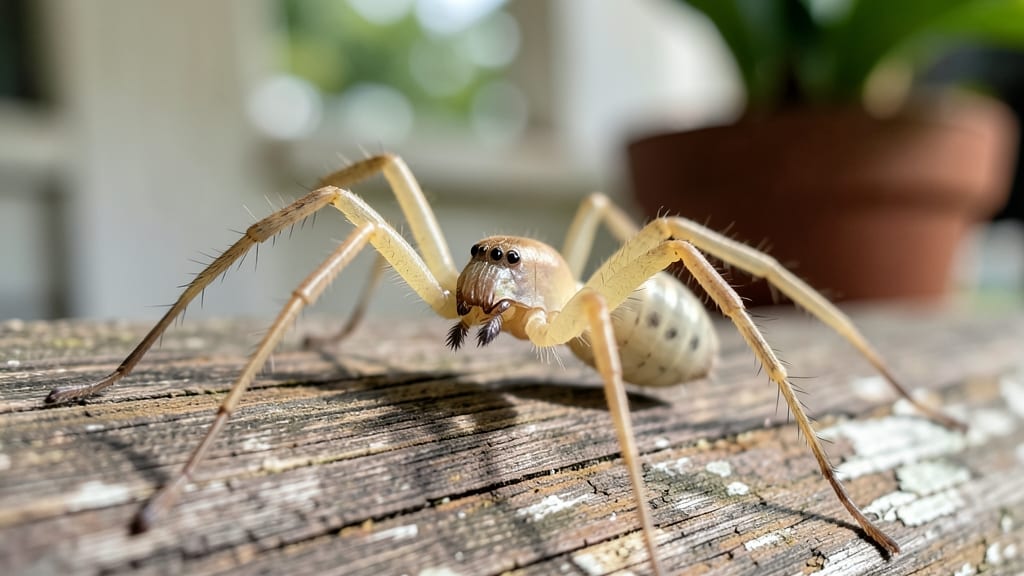
Porch webs vanish with the right approach. 🌿 I’ve battled spider silk for years—until I discovered these simple, natural barriers that keep my porch clean without chemicals. The key isn’t chasing spiders but making your space less inviting for them in the first place.
Spiders weave webs where they find shelter and easy prey. Shady corners, clutter, and standing water create perfect conditions. My solution? A mix of habitat tweaks—like clearing debris and adding citrus peels or vinegar sprays—that disrupts their comfort without harming beneficial insects.
Within a week, you’ll notice fewer webs forming. The porch stays clean, and spiders move on to hunt elsewhere. These methods work year-round, even in humid summers or dry winters, and they’re safe for kids and pets.
No more sweeping the same spots daily. This is the permanent fix that actually works—no traps, no sprays, just smart outdoor adjustments. Let’s make your porch their last stop, not their headquarters.
The Hidden Triggers Behind Porch Spiders
If your porch is becoming a spider’s favorite studio, it’s not just bad luck—it’s likely due to a mix of environmental cues, food availability, and shelter preferences.
Understanding these triggers is the first step to reclaiming your space. Let’s break down the science behind why spiders choose your porch as their web headquarters.
Spiders are opportunistic predators, and your porch might be a buffet for them. Flies, moths, mosquitoes, and even tiny insects like gnats are common spider meals. If your porch is near:
- Outdoor lighting: Bug zappers, porch lights, or streetlights attract flying insects, which in turn lure spiders. Fun fact: Some spiders, like wolf spiders, actively hunt near lights to ambush prey.
- Pet feeding areas: Dog or cat food left outside can draw ants, roaches, and flies—all of which spiders see as free meals.
- Compost bins or mulch: Decaying organic matter breeds insects, creating a spider magnet. Even a small pile of leaves or grass clippings can be enough.
Actionable insight: Reducing these food sources (like sealing trash cans or switching to LED lights) can make your porch less appealing to spiders.
Spiders need hiding spots to avoid predators (like you) and to regulate humidity. Your porch likely offers:
- Cracks and crevices: Gaps in wood, under railings, or between siding and trim provide perfect nooks for spiders to anchor webs or retreat. Example: Cellar spiders (daddy longlegs) thrive in dark, undisturbed corners.
- Moisture pockets: Porches with poor drainage or shaded areas trap humidity, which many spiders (like orb-weavers) need to keep their silk from drying out.
- Plants and debris: Potted plants, hanging baskets, or stored items (like old shoes or tools) create microhabitats spiders exploit for shelter.
Science note: Some spiders, like Nephila (golden silk orb-weavers), actively seek out high-moisture areas to spin stronger, more elastic webs.
Spiders are highly sensitive to temperature and weather. Your porch’s microclimate might be just right for them:
| Season | Why Spiders Love It | Common Culprit Spiders |
|---|---|---|
| Spring/Summer | Warmth + high insect activity = spider breeding season. Egg sacs hatch, and juvenile spiders spin small webs to hunt. | Black widows, garden spiders, wolf spiders |
| Fall | Cooler temps push spiders to seek sheltered, warm spots (like your porch’s eaves or under furniture). | Cellar spiders, house spiders |
| Winter | If your porch has residual heat (from HVAC vents or sunlight), spiders may overwinter there, emerging in early spring. | Jumping spiders, orb-weavers |
Pro tip: Spiders avoid extreme cold (<40°F) and direct sunlight. If your porch stays too warm or shaded, it’s a spider paradise.
Not all spiders have the same real estate requirements. Here’s what your porch’s most likely tenants are after:
- Orb-weavers (e.g., garden spiders): Choose open, high-traffic areas to maximize prey capture. Look for large, sticky webs in corners or between railings.
- Wolf spiders: Hunt on the ground but may spin messy webs near food sources. They’re drawn to dark, undisturbed corners with easy access to insects.
- Cellar spiders (daddy longlegs): Love cluttered, dusty spaces like under furniture or in stored items. Their webs are chaotic and hard to spot.
- Black widows: Prefer dark, sheltered spots with high humidity, such as woodpiles, storage boxes, or eaves.
Key takeaway: Identifying the spider type helps you target their specific triggers (e.g., removing woodpiles for widows or decluttering for cellar spiders).
Now that you know why spiders are turning your porch into a web studio, the next steps focus on disrupting these triggers naturally. Stay tuned!
Practical Fixes for Web-Free Porches
Now that you know why spiders love your porch, let’s tackle the solutions—simple, effective, and spider-proof! 🕷️🚫 The key is to disrupt their comfort, remove their resources, and create natural barriers.
Below, we’ve mapped the most common causes to their fixes, with easy-to-follow steps and prevention tips to keep your porch spider-free long-term.
Spiders thrive in hidden, sheltered spots where they can spin undisturbed. If your porch has piles of leaves, stored items, or dense plants, it’s an open invitation.
🔥 Clear and Declutter
- 👨🍳 Sweep and remove debris regularly—leaves, twigs, and cobwebs are spider magnets. Use a broom or leaf blower for hard-to-reach corners.
- 🥘 Store items off the porch or in sealed containers.
Plastic bins with tight lids keep spiders out. - 🔪 Trim back overgrown plants near the porch. Keep shrubs and vines at least 12 inches away from walls to eliminate hiding spots.
💡 Prevention Tip:
Install outdoor lighting with motion sensors—spiders avoid well-lit areas. Bright LEDs or solar-powered lights can deter them naturally.
Spiders slip through tiny cracks, under doors, and around window frames. If they can’t get in, they won’t spin webs.
🔧 Caulk and Weatherstrip
- 👨🍳 Seal gaps around doors, windows, and vents with caulk or weatherstripping.
Focus on: - Bottom of doors (spiders crawl up from the ground). - Window screens (patch tears immediately). - Baseboards and siding cracks. - 🥘 Install door sweeps on exterior doors to block entry at the threshold.
🌡️ Use Fine Mesh Screens
Replace old screens with tightly woven mesh (or repair tears). Spiders can’t navigate through small holes—aim for 16-20 mesh (the smaller the better).
💡 Prevention Tip:
Apply diatomaceous earth (DE) around entry points—this natural powder dehydrates spiders on contact. Reapply after rain.
Spiders return to the same spots because they’re undisturbed. Break their routine with physical or chemical barriers.
🔥 Physical Barriers
- 👨🍳 Hang sticky traps or copper wire in high-traffic spider zones. Copper is a natural spider repellent (they avoid it).
- 🥘 Install porch netting over seating areas or storage spots.
Lightweight, breathable netting (like bug-proof mesh) keeps webs at bay. - 🔪 Use spider-repellent plants near the porch: - Peppermint (strong scent deters spiders). - Lavender (spiders dislike its fragrance). - Citrus plants (spiders avoid the smell).
🌡️ Natural Sprays
Mix water + dish soap + essential oils (peppermint, tea tree, or eucalyptus) in a spray bottle. Lightly mist web-prone areas—the residue disrupts their silk production.
💡 Prevention Tip:
Vacuum webs immediately—spiders return to clean spots. Use a damp cloth to wipe down surfaces afterward to remove pheromone trails.
Spiders seek damp, food-rich areas. Cut off their supplies to make your porch less appealing.
🔥 Eliminate Standing Water
- 👨🍳 Fix leaky faucets, gutters, or downspouts—moisture attracts spiders and their prey.
- 🥘 Use a dehumidifier in enclosed porches or store it in a sealed container if humidity is high.
🔪 Remove Food Sources
- 🍎 Keep outdoor food sealed (pet food, birdseed, trash cans).
- ⏰ Take out trash regularly—spiders hunt for crumbs and scraps.
- 🌡️ Avoid leaving damp towels or outdoor rugs on the porch.
💡 Prevention Tip:
Place boric acid bait stations (like Terro Spider Baits) in hidden corners. Spiders eat it, then share it with their colony—reducing numbers naturally.
If spiders keep returning, it’s time for proactive deterrents that don’t harm them but keep them away.
🔥 Relocate Spiders Safely
- 👨🍳 Use a glass and paper method:
- Place a glass over the spider.
- Slide a stiff paper underneath.
- Release the spider
- 🥘 Avoid pesticides—they kill beneficial spiders and can harm pets/kids.
🌡️ Install Ultrasonic Repellents
Devices like Neatmaster Ultrasonic Pest Repeller emit high-frequency sounds spiders dislike. Place them near entry points.
💡 Prevention Tip:
Regularly inspect and clean your porch every 2 weeks. Spiders get used to neglect—consistency is key!
Final Thought: Spiders won’t give up easily, but with consistent barriers, cleanliness, and smart deterrents, you can make your porch their least favorite spot. Start with one or two fixes, then layer in more as needed. Soon, you’ll be enjoying your porch web-free and spider-free**! 🏡✨
Frequently asked questions
Why do spiders prefer porches over other areas?
Porches offer the perfect mix of shelter, food sources, and moisture. Spiders love shaded corners for webs, while nearby lights or pet food attract insects they hunt. The combination of hiding spots and easy prey makes porches irresistible to them.
Will peppermint oil really keep spiders away?
Yes! Spiders dislike strong scents like peppermint, tea tree, or citrus. Mix 10 drops of peppermint oil with 1 cup of water in a spray bottle, then mist porch corners. Reapply every 2-3 days or after rain for best results.
How often should I clean my porch to prevent webs?
Weekly maintenance works best. Focus on sweeping debris, wiping down surfaces, and checking for new webs. During peak spider season (spring-fall), increase to every 3-4 days to stay ahead of their web-building habits.
Are there any plants that naturally repel spiders?
Plant these near your porch: lavender, citrus trees, or marigolds. The strong fragrances disrupt spider pheromones and make your space less inviting. Bonus: They add beauty to your outdoor area!
What's the safest way to remove a spider web without harming the spider?
Use a broom or vacuum with a hose attachment. Gently sweep the web into a dustpan or vacuum bag, then release the spider outside far from your home. Avoid pesticides—they kill beneficial spiders that control other pests.