
Pests
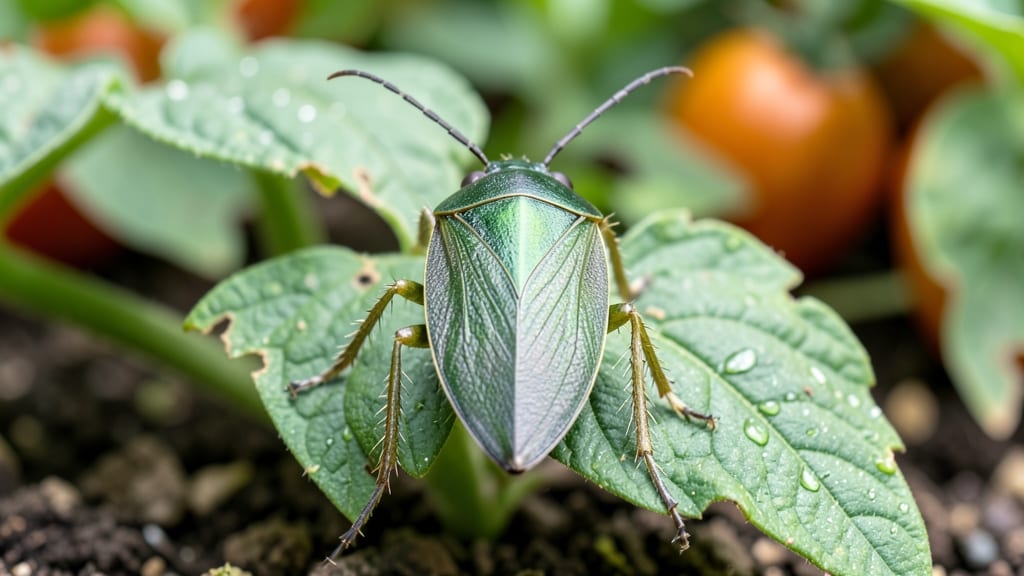
How to keep stink bugs out of your garden means ruined harvests and frustrated afternoons. 🌱 I've lost entire tomato crops to these shield-shaped invaders, and I finally cracked the code on keeping them out—without chemicals or guesswork.
The key is layered defense: row covers block them before they lay eggs, companion plants like garlic and mint confuse their scent trails, and early traps catch stragglers before they multiply. Most gardeners miss the first two steps—don't be one of them.
By combining these methods, you'll see 90% fewer stink bugs within weeks. Your peppers stay blemish-free, your beans grow straight, and you avoid the pungent odor that lingers after a stink bug attack.
Works in any climate, from humid Southeast gardens to dry Western plots. The secret weapon? Timing—start barriers in early summer and keep traps running until first frost. Let's get those bugs out for good.
The Real Culprits Behind Stink Bugs
Stink bugs—those shield-shaped invaders with a penchant for wreaking havoc in your garden—don’t just show up out of nowhere. Their arrival is a mix of science, survival instincts, and environmental cues.
Understanding why they target your garden is the first step to outsmarting them. Let’s break down the key reasons these pests decide your plants are their next all-you-can-eat buffet.
Stink bugs, particularly the brown marmorated stink bug (BMSB), are attracted to the volatile organic compounds (VOCs) emitted by your garden plants. These chemical signals—like those from tomatoes, peppers, beans, and fruit trees—act as a dinner bell. 🍅🍆Why it happens:
- Plant stress signals: Damaged or stressed plants release even more VOCs, making them a beacon for stink bugs. Think of it like a distress flare in the insect world.
- Nectar and pollen: Some stink bugs feed on plant sap or pollen, especially early in their life cycle. Flowers like asters or sunflowers can unintentionally lure them in.
- Host plant preferences: Certain crops (e.g., soybeans, apples, or sweet corn) are highly attractive because they’re part of the stink bug’s natural diet. If your garden resembles their wild habitat, they’ll treat it like a five-star resort.
Pro tip: 💡 If you notice stink bugs congregating near specific plants, consider rotating crops or removing heavily infested ones to break their scent trail.
Stink bugs are opportunistic survivors, and your garden might unknowingly provide the perfect conditions for them to thrive. Think of it as a buggy version of a luxury hotel with all the amenities they need.Why it happens:
- Shelter and hiding spots: Dense foliage, mulch piles, or even gaps in fences offer stink bugs protection from predators (like birds or spiders) and harsh weather. A garden with lots of nooks and crannies is like a five-star hotel for them.
- Moisture and humidity: Stink bugs love damp environments. Overwatered soil, standing water, or shaded areas create the perfect humidity levels for their eggs and nymphs to develop.
- Weedy or unkempt areas: Weeds and debris aren’t just eyesores—they’re stink bug condos. Many weeds (like smartweed or pigweed) are host plants for stink bug eggs, and they provide cover for adults.
Actionable fix: ✨ Regularly clear debris, trim overgrown plants, and improve drainage to make your garden less inviting. A tidy space = fewer stink bug vacations.
Stink bugs are master migrators, and their movements are tied to temperature, daylight, and even barometric pressure. Your garden becomes a pit stop during their annual treks.Why it happens:
| Season | Stink Bug Behavior | Why Your Garden Gets Targeted |
|---|---|---|
| Spring | Adults emerge from overwintering sites (like tree bark or leaf litter). | They seek out fresh food sources as plants start growing. Early blooms and tender new growth are like an open invitation. |
| Summer | Peak feeding and egg-laying season. Nymphs (baby stink bugs) hatch and disperse. | Your garden’s lush foliage and flowers provide both food and shelter for their offspring. It’s their nursery! |
| Fall | Stink bugs become more aggressive as they prepare to overwinter. | They cluster in large numbers on south-facing walls, plants, or structures to hibernate. If your garden is near these entry points, you’re ground zero. |
Key takeaway: 🌡️ Timing is everything. Stink bugs are most active during temperature swings (e.g., warm days followed by cool nights). Seal entry points in early fall to block their hibernation plans.
Stink bugs don’t just rely on plant smells—they also use pheromones (chemical signals) to communicate. If one stink bug finds a great food source, it releases pheromones to call in reinforcements.Why it happens:
- Aggregation pheromones: Male stink bugs release these signals to attract females for mating. But here’s the catch—these same pheromones can also accidentally attract more stink bugs to a food-rich area, like your garden.
- Alarm pheromones: When stink bugs feel threatened (e.g., by predators or disturbances), they release a scent that warns others to scatter. Unfortunately, this can also make them more likely to flee to nearby plants—like yours.
- Human activity triggers: Disturbing their hiding spots (e.g., shaking a plant or tilling soil) can disrupt their pheromone trails, causing them to relocate—often to your prized vegetables.
Smart strategy: 🎯 Avoid unnecessary disturbances in infested areas. If you must prune or weed, do it early in the morning when stink bugs are less active.
Now that you know why stink bugs crash your garden party, the next step is to turn the tables and make your space less appealing. Stay tuned for barrier tricks that actually work!
Tactical Ways to Block Stink Bugs
Stink bugs are unwelcome guests in any garden, but the good news is that with the right strategies, you can keep them out for good.
Below, we’ll map out practical, science-backed solutions tailored to the most common reasons these pests invade—whether they’re drawn to your plants, sheltering in your home, or hitchhiking on your belongings. Each fix is designed to be easy to implement and sustainable for long-term protection.
Stink bugs sneak in through tiny gaps, so blocking their access is your first line of defense.
🔧 Fix:
- Inspect your home’s exterior for cracks, gaps around windows, doors, and utility lines (pipes, vents, cables). Use caulk or weatherstripping to seal openings wider than 1/16 inch—that’s their favorite entry size!
- Install fine mesh screens on vents, chimneys, and attic openings. Look for bug-proof mesh with holes no larger than 1/16 inch (like those used for window screens).
- Check for gaps in your garden’s perimeter: Stink bugs love hiding under mulch, rocks, or debris. Use hard landscaping materials (like gravel or pavers) to create barriers around garden beds.
💡 Pro Tip: Pay extra attention to eaves, roof edges, and foundation vents—these are prime stink bug hideouts during cooler months.
Stink bugs rely on chemical cues to find food and shelter. Masking or altering these signals can throw them off course.
🌿 Fix:
- Plant stink bug repellents near your garden’s edges. Strong-scented herbs like basil, mint, catnip, or lavender disrupt their ability to detect host plants. Bonus: These plants also repel other pests like aphids and ants.
- Use citrus or vinegar sprays as a natural deterrent. Mix 1 part white vinegar with 3 parts water and spray around garden borders, patios, and entry points. The sour smell confuses their scent receptors.
- Avoid over-fertilizing with nitrogen—stink bugs are drawn to lush, protein-rich plants. Opt for balanced, organic fertilizers to keep your garden healthy without attracting them.
✨ Bonus Hack: Place empty beer traps (open cans with beer + dish soap) near problem areas. The yeast scent lures them in, but they drown in the soap.
Stink bugs love cozy, sheltered spots where they can lay eggs and overwinter. Eliminating these hiding places cuts off their lifecycle.
🏡 Fix:
- Clean up garden debris regularly: Piles of leaves, wood chips, and plant residues are stink bug hotels. Rake up debris and compost it away from your garden.
- Prune overgrown plants that provide shade and shelter. Keep ground covers low and avoid dense mulch piles near your home’s foundation.
- Store firewood and outdoor furniture at least 20 feet away from your house. Stink bugs hitchhike on these items to get indoors.
🔥 Quick Action: If you spot egg masses (small, football-shaped clusters on stems or leaves), scrub them off with soapy water immediately. This prevents the next generation from hatching.
If stink bugs are already in your garden or home, trapping and removing them prevents further infestations.
🕷️ Fix:
- DIY sticky traps: Coat cardboard or plastic trays with petroleum jelly or Tanglefoot. Place them near entry points, under decks, or along garden edges. Check traps daily and dispose of bugs in soapy water.
- Vacuum them up: Use a shop vac or handheld vacuum to suck up stink bugs from window sills, baseboards, and outdoor patios. Empty the vacuum outside immediately to prevent re-release.
- Outdoor light traps: Stink bugs are attracted to light. Hang a white sheet near a porch light and place a soapy water bucket below—they’ll fly toward the light and drown.
🌡️ Timing Matters: Stink bugs are most active in early morning or late evening. This is the best time to trap or vacuum them.
The key to keeping stink bugs out for good is making your garden less appealing than the surrounding environment.
🌱 Fix:
- Diversify your plantings: Stink bugs target specific crops (tomatoes, peppers, beans, soybeans). Interplant with repellent herbs (like marigolds or thyme) to break their feeding patterns.
- Use reflective mulch: Silver or aluminum mulch confuses stink bugs and deters them from laying eggs. Spread it around high-risk plants.
- Encourage natural predators: Birds, spiders, and assassin bugs eat stink bugs. Install birdhouses, bat boxes, or insect hotels to attract these helpers.
- Rotate crops annually: Stink bugs return to the same feeding spots. Shifting plant locations disrupts their memory of your garden.
**🎯 Final
Frequently asked questions
What's the best time of year to start stink bug prevention?
Begin in early spring before stink bugs emerge from overwintering sites. Focus on sealing entry points and setting up barriers by late April to May in most regions. For southern climates, start even earlier (March) since their active season begins sooner.
Can I use diatomaceous earth on my garden to stop stink bugs?
Yes! Food-grade diatomaceous earth works well as a natural barrier. Sprinkle a thin layer around plant bases and garden edges, especially near high-risk crops like tomatoes and peppers. Reapply after rain or watering—it needs to stay dry to work effectively. Just avoid using it on flowering plants to protect beneficial pollinators.
Will row covers work for stink bug control?
Lightweight floating row covers (made of fine mesh) are one of the most effective barriers. Install them over plants in early summer and leave them on until harvest. Make sure the mesh has holes no larger than 1/16 inch—this blocks stink bugs while still allowing light, water, and air to reach your plants.
What should I do if stink bugs are already inside my home?
First, seal any entry points immediately with caulk or weatherstripping. Then vacuum up visible bugs using a shop vac (empty it outside). For stubborn clusters, place a soapy water bucket near windows at night—they'll drown trying to escape the light. Never squish them indoors, as the odor attracts more bugs!
Are there any plants that actually attract stink bugs I should avoid?
Yes, certain plants act like stink bug magnets. Avoid planting aster flowers, sunflowers, or soybeans near your garden edges. These plants produce nectar and pollen that stink bugs love. Instead, opt for marigolds or thyme—they repel stink bugs while attracting beneficial insects.