
Pests
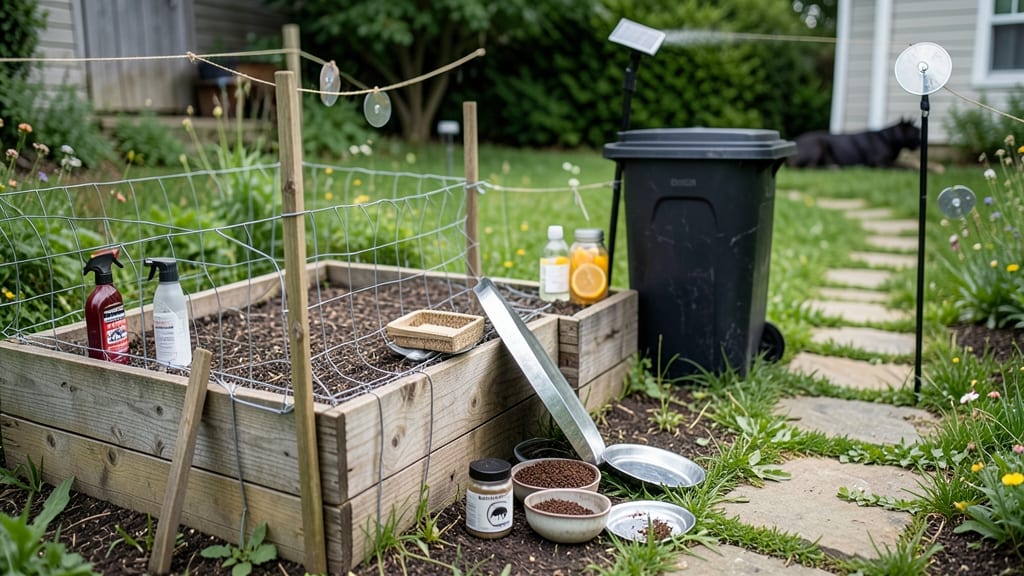
How to keep wildlife away from your garden—without turning it into a chemical warzone. 🌿 I’ve lost entire tomato plants to deer and watched rabbits turn my hostas into confetti—until I discovered these smell-safe repellent sprays that actually work without harming critters or the planet.
The key is combining natural scents animals hate but humans tolerate—garlic, hot pepper, and predator urine (yes, the real stuff, but diluted). No harsh chemicals, just a spray that sends squirrels scurrying and deer browsing elsewhere.
You’ll need a spray bottle, distilled water, and a few pantry staples to mix it up.
Within 24 hours, you’ll see results: fewer nibbled leaves, intact blooms, and a garden that finally feels like yours. The best part? These sprays break down safely, so you can use them right up until harvest—no waiting periods or guilt.
Works for deer, rabbits, squirrels, and even hungry birds. Here’s the exact formula and application schedule that’s kept my garden intact for three seasons running.
📚 In This Guide
- What you need
- Instructions
- Tips and common mistakes
- Wrapping up and next steps
What you need
- ● 1 cup hot pepper sauce (like Tabasco or cayenne pepper-based—hotter = stronger!)
- ● 1 gallon water (distilled or tap, cooled to room temp)
- ● 1 tbsp dish soap (mild, like Dawn—no harsh chemicals!)
- ● 1 tbsp vinegar (white or apple cider—adds a tangy kick!)
- ● 1 tsp garlic powder (or 2 cloves fresh garlic, minced—wildlife’s worst nightmare!)
- ○ 1 tsp coffee grounds (optional but highly effective for deer/raccoons)
- ● Spray bottle (16–32 oz, preferably with a fine mist nozzle)
- ● Mixing bowl (non-reactive, like glass or stainless steel)
- ● Funnel (to avoid spills when transferring to the spray bottle)
- ○ Gloves (optional—hot pepper can sting!)
- ● Essential oils: 5–10 drops of peppermint, citronella, or eucalyptus (💡 repels critters and smells fresh!)
- ● Citrus peels: Dried or fresh (soak in water overnight for a zesty scent)
- ● Motion-activated sprinkler (for larger areas—🎯 scares off intruders with water!)
- ● Physical barriers: Chicken wire or fencing (🔒 for burrowing animals like rabbits)
Tips & tricks for effective wildlife repellent sprays
These practical strategies will help you maximize the effectiveness of your homemade wildlife deterrents while keeping your garden safe and thriving.
Infusion Time Matters: The 24-hour infusion period is non-negotiable for full potency. I learned this the hard way after trying to rush the process—under-infused mixtures lose effectiveness quickly. Place your spray bottle in a cool, dark spot during infusion to preserve the active compounds. For stronger results, especially with pepper-based sprays, consider extending the infusion to 48 hours (optional but recommended for persistent pests).
Essential Oil Selection Strategy: Not all essential oils work equally well—peppermint and citronella are your best allies for rabbits, while clove and eucalyptus target deer. I keep small sample bottles of each on hand to test which works best in my specific garden. Remember, essential oils are potent: 5-10 drops is plenty for a quart of mixture. Too much can overwhelm plants or even harm them, so measure carefully.
Application Technique for Maximum Coverage: When spraying, focus on creating a scent barrier rather than just treating visible damage areas. Use a light mist along fence lines, garden edges, and entry points—wildlife rely on scent trails to navigate. For vegetable beds, spray undersides of leaves where pests often hide. I've found that applying in the early morning allows the scent to linger through peak activity periods without evaporating in midday heat.
Rotation Schedule Rescue: If you notice wildlife becoming less deterred after 3-4 weeks, it's time to switch formulas. I keep a simple chart tracking which blends I've used and when. For example, after garlic-peppermint, I'll rotate to coffee-cayenne or cinnamon-soap blends. This prevents scent adaptation—wildlife get confused when their usual scent cues change unexpectedly. Always label your bottles with the date and ingredients used for easy tracking.
Pro Tips for Keep Wildlife Away From Garden
- These practical strategies will help you maximize the effectiveness of your homemade wildlife deterrents while keeping your garden safe and thriving.
- Infusion Time Matters: The 24-hour infusion period is non-negotiable for full potency.
- Essential Oil Selection Strategy: Not all essential oils work equally well—peppermint and citronella are your best allies for rabbits, while clove and eucalyptus target deer.
Frequently asked questions
about keeping wildlife away from your garden—because even the best-laid plans need a little troubleshooting!What’s the safest repellent spray for pets and kids?
Look for pet-safe, non-toxic sprays like those made with garlic, peppermint oil, or vinegar. Avoid commercial products with harsh chemicals (e.g., capsaicin or zinc phosphide). Always test a small area first and keep pets/kids away until fully dry.
When’s the best time to apply repellent sprays?
Apply sprays early morning or late evening when wildlife is most active. Reapply after rain or every 2–4 weeks for consistent protection. Pro tip: Spray around the perimeter first—wildlife often enter through edges!
Will repellent sprays harm my plants?
Most natural sprays (e.g., vinegar, citrus, or castor oil) are plant-friendly, but test a hidden leaf first. Avoid over-spraying—focus on soil, fences, or entry points. If using commercial sprays, check labels for plant safety warnings.
What if wildlife keeps coming back after spraying?
Try layered deterrents: combine sprays with physical barriers (fencing, netting) or habitat removal (e.g., securing trash, eliminating standing water). Rotate sprays every few weeks to prevent animals from getting used to one scent.
Are there DIY alternatives to store-bought sprays?
Mix 1 part vinegar + 1 part water + a few drops of essential oil (peppermint, eucalyptus) in a spray bottle. For stronger deterrents, try hot pepper sauce + water (wear gloves!). Store in a cool, dark place for up to 2 weeks.
Wrapping up and next steps
Keeping wildlife at bay doesn’t have to mean sacrificing your garden’s charm—or your peace of mind! 🌿 With the right smell-safe repellent sprays, natural barriers, and a little proactive effort, you can protect your plants and the local critters.
Remember, consistency is key: reapply sprays as needed, reinforce physical deterrents, and stay patient as wildlife adjusts to their new boundaries.
Ready to reclaim your garden? Start small: pick one method from this guide, test it in a corner of your yard, and observe the results. Over time, you’ll find the perfect balance of protection and harmony. Happy gardening! 🌱