
How To
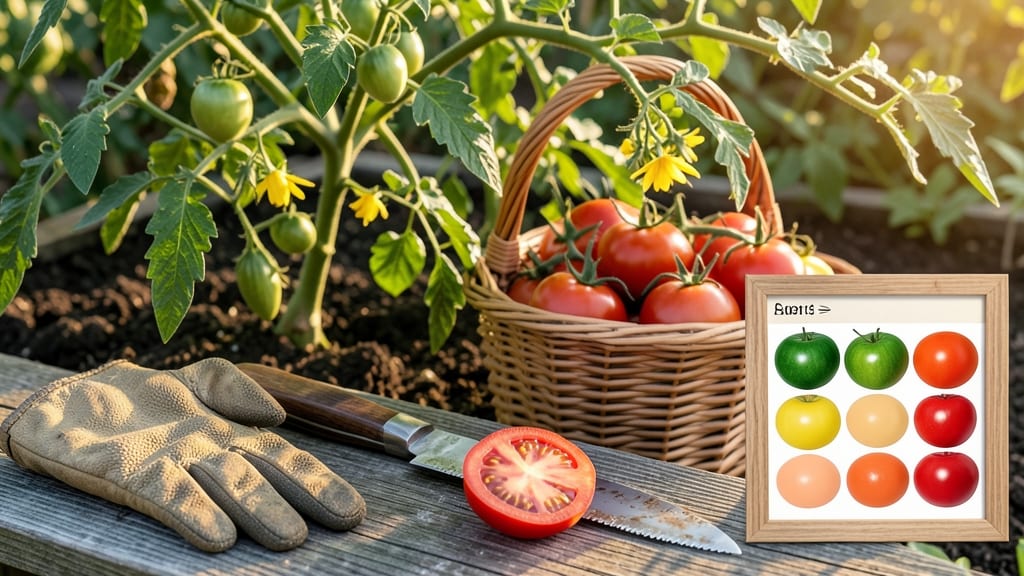
How to know if a tomato is ready to pick can mean the difference between a burst of juicy flavor and a mealy, disappointing bite. The right moment isn't just about color—it's about a perfect combination of visual cues and gentle physical tests that most gardeners miss.
If you've ever plucked a tomato that was still hard or let one sit too long on the vine only to find it split, you know how frustrating it can be.
The key is learning to read your plants like a pro, from the deepening hues to the subtle give when you press. I'll walk you through the three foolproof signs that your tomatoes are finally ready, so you never miss peak ripeness again.
Seasonal factors like your USDA Zone 6a climate or unexpected heatwaves can throw off ripening times, but these techniques work regardless. Whether you're growing heirlooms or hybrids, you'll discover how to adjust your approach for different varieties and troubleshoot common mistakes that lead to wasted harvests.
By the end, you'll be confidently snapping tomatoes from the vine at just the right moment—ensuring every bite is packed with that garden-fresh sweetness we all crave. Let's get started with the simple tricks that make all the difference.


3 Visual cues to identify perfectly ripe tomatoes
Nothing beats the satisfaction of plucking a perfectly ripe tomato straight from your vine. But how do you know when that moment arrives? The key lies in three visual and tactile cues that reveal hidden sweetness and peak flavor.
These signs apply to all tomato varieties—whether you're growing heirloom beefsteaks or cherry tomatoes—and they'll help you avoid the pitfalls of underripe or overripe fruit.
First, let's address the most obvious clue: color changes. While red is the classic signal for many varieties, don't assume all tomatoes follow this rule. Yellow pear tomatoes stay yellow, green zebra varieties develop striped patterns, and black Krim tomatoes turn deep purple-black.
The key is consistency—when the entire tomato (including the stem end) matches its mature color, it's ready.
Here's how to spot ripeness using these three foolproof methods:
Deep, Consistent Color
Look for full color development with no green at the stem end. For heirlooms, this means rich reds, oranges, or purples. Cherry tomatoes should be uniformly colored, not blotchy.
Gentle Give When Touched
Press your thumb gently against the tomato. It should yield slightly but not feel mushy. Firm tomatoes need more time, while overripe tomatoes will dent easily.
Easy Stem Release
Grasp the tomato and give it a slight twist. A ripe tomato will separate cleanly from the vine with minimal effort. If it resists, it's not ready yet.
For heirloom varieties, these cues become even more important since their flavors develop fully only at peak ripeness. Pro tip: Morning harvesting is ideal because cooler temperatures preserve sweetness and firmness. If you're growing in containers, check tomatoes daily—they ripen faster in hot climates.
Climate plays a surprising role in ripening. In hot, dry regions, tomatoes may ripen faster and need harvesting sooner to prevent cracking. Conversely, in cooler climates, they might take longer to color up. Watch for these regional variations and adjust your picking schedule accordingly.
One common mistake is assuming all tomatoes ripen at the same rate. Cherry tomatoes often ripen weeks before beefsteak varieties. Pay attention to the vine—if most tomatoes on a branch are ripe, the stragglers are likely close behind.
For greenhouse-grown tomatoes, artificial lighting can delay ripening, so supplement with natural light when possible.
Don't overlook the scent test for heirlooms. A truly ripe tomato will release a sweet, fruity aroma when gently squeezed. This is especially useful for yellow or orange varieties where color changes are subtle. Combine all three cues for the most accurate assessment.
Remember: Timing is everything. Harvesting at peak ripeness ensures maximum flavor, but waiting too long can lead to cracked tomatoes or pest damage. With these visual cues mastered, you'll never miss the perfect moment to pick again.
3 Visual cues to identify perfectly ripe tomatoes
Ripe tomatoes burst with flavor, but spotting the perfect moment to pick can be tricky. The key lies in observing three visual cues that signal peak ripeness: color, texture, and stem separation. These clues ensure you harvest tomatoes when they're juicy, sweet, and at their flavor peak.
Start by checking the color of your tomato. Most varieties—like Cherry or Beefsteak—turn a deep, even red when ripe. However, heirloom types may ripen to yellow, orange, or purple. Avoid picking if the stem end (calyx) remains green, as this means the tomato isn't fully matured.
Deep, even color (no green at stem end). Varieties like Brandywine turn deep pink-purple, while Sun Gold ripens to orange.
Gently press the tomato—it should yield slightly to touch (like a ripe avocado). If it feels rock-hard, it’s underripe; if it’s mushy, it’s overripe.
Grasp the tomato near the stem and twist gently. If it snaps cleanly from the vine, it’s ready. If the stem tears, wait a day or two.
For heirloom varieties, like Black Krim, ripeness can be harder to spot. Look for a slight softening around the sides and a rich, sweet aroma near the stem.
If you’re unsure, pick the tomato and let it ripen indoors on a cool countertop—it’ll continue to develop flavor over 3–5 days.
Pro tip: Harvest in the morning when tomatoes are cool and firm. This reduces bruising and extends their shelf life. Now that you’ve mastered these cues, you’ll never pick a tomato too early or too late again! 🍅