
How To
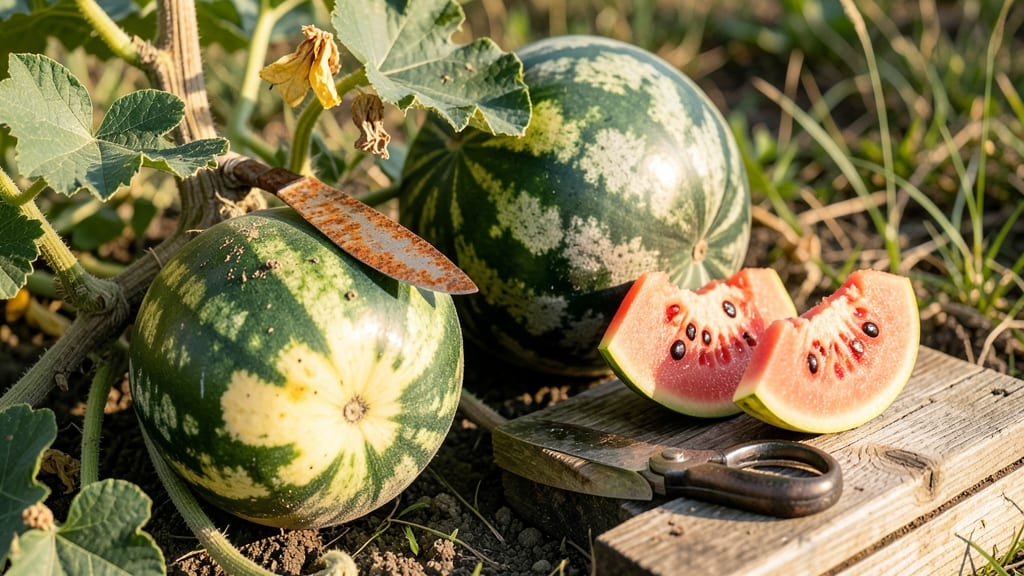
3 Field-tested methods to check watermelon ripeness before buying
Selecting a perfectly ripe watermelon is an art—and these three field-tested methods will turn you into a pro.
Whether you're shopping at a farmers' market or grabbing one from the grocery store, these tricks ensure you bring home a melon that’s sweet, juicy, and seedless (or packed with the right seeds for your taste). The best part? You don’t even need to cut it open!
Watermelons develop sweetness as they ripen on the vine, and these visual and tactile cues help you predict flavor without guessing. The yellow spot, thump test, and stem-end color are the holy trinity of watermelon selection.
Let’s break down each method so you can confidently pick the ripest melon every time.
🍉
Look for a creamy yellow patch where the watermelon rested on the ground. This spot should be dull, not shiny, and about the size of a quarter or larger. A white or pale spot means it’s not ripe yet.
Tap the watermelon with your knuckles. A deep, hollow sound signals ripeness, while a high-pitched ping means it’s underripe. Bonus: Hold it—ripe watermelons feel heavy for their size due to high water content.
The stem end (where the melon attached to the vine) should be dry, brown, and slightly sunken. If it’s still green or wet, the melon isn’t fully ripe. Pro tip: Smell it—a sweet, musky aroma is a great sign!
The yellow spot is your first clue because it indicates the melon has been on the vine long enough to develop sugars. This spot forms where the melon touches the ground, and its color change is a natural indicator of ripeness.
If you’re unsure about the spot’s color, compare it to a banana peel—it should be a similar creamy hue, not stark white or greenish.
Next, the thump test works because ripe watermelons have a higher water content, which creates that deep, resonant thud when tapped. An underripe melon will sound more like a drum, while an overripe one might feel mushy.
Pair this with the weight test**: a ripe watermelon should feel dense and solid, not lightweight or hollow.
Finally, the stem end tells you whether the melon was harvested at the right time. A dry, brown stem end means the vine has already cut off nutrients, signaling the melon is fully mature.
This is especially useful if you’re buying from a roadside stand, where melons might be harvested earlier and left to ripen off the vine.
🌱
For home gardeners, these methods are even more valuable because you can harvest at peak ripeness instead of waiting for the store to stock perfect melons. Pay attention to these cues when your watermelons are 75-90 days old, which is the ideal window for harvesting.
If you’re growing heirloom varieties, they often take longer to ripen, so give them extra time to develop that deep, sweet flavor.
One common mistake is assuming a dark green rind means ripeness—while it’s a good sign, it’s not enough on its own. The rind should also be consistently colored, without patches of yellow or white. Stripes are normal, but uneven coloring can indicate uneven ripening or exposure to the sun.
💧
What to avoid: common mistakes that make watermelons taste bland or seedy
Even with the best ripeness tests, you can still end up with a watery, bland watermelon if you fall for these common traps. Let’s debunk the myths and focus on what actually matters when selecting your melon.
First, heavy weight doesn’t always mean sweetness. A watermelon’s weight depends more on its water content than sugar levels. Some varieties are naturally heavier, while others stay lighter but pack more flavor. Focus on size and shape instead—look for melons that feel proportionate and symmetrical.
Next, avoid overripe watermelons with soft spots or wrinkled skin. These signs signal the melon has been sitting too long, often leading to fermented, mushy flesh. Overripe melons also tend to have seeds that are too mature, making them less enjoyable to eat.
Bright green rinds can be misleading too. While some heirloom varieties stay green when ripe, most commercial watermelons develop duller, matte patches as they ripen. If the rind looks too shiny or waxy, it’s likely underripe or treated with preservatives to extend shelf life.
Another red flag is a hollow sound when thumping the melon. A deep, dull thud is ideal, but if it sounds hollow or echoey, the melon may be overripe or hollow inside. This often happens when the fruit loses moisture after harvest.
Finally, ignoring the field spot is a big mistake. The creamy yellow ground spot (where the melon rested on the vine) is your best clue for ripeness.
If it’s still white or pale, the melon isn’t ready. But if it’s too dark or moldy, the fruit may have spoiled.
⚠️ Avoid These Mistakes
Heavy doesn’t equal sweet—focus on size and firmness.
A white spot means underripe; moldy means overripe.
Look for dull, matte patches instead.
A dull thud is ripe; echoey means overripe.
By steering clear of these pitfalls, you’ll consistently pick watermelons that are ripe, sweet, and seedless. The key is to combine multiple tests—field spot, thump, and stem-end color—to ensure you’re getting the best melon every time.