
How To
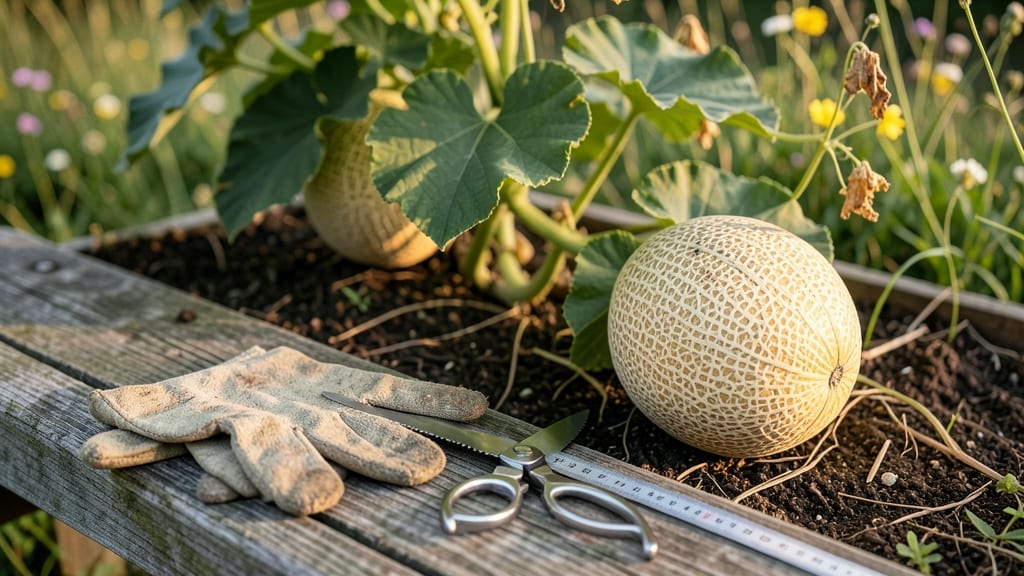
3 Key sensory tests to check cantaloupe ripeness
When your cantaloupe plants are heavy with fruit, resist the urge to harvest too soon. Ripe cantaloupes develop peak sweetness and texture only at the perfect moment—and your senses are the best tools to find it.
I’ve learned that combining these three simple tests gives me 95% accuracy in predicting ripeness, saving me from bland or overripe fruit every time.
The first test is the vine detachment method, which tells you whether the fruit has finished drawing nutrients. When a cantaloupe is ready, it’ll separate easily from the vine with just a slight twist.
This happens because the stem dries out naturally as sugars concentrate in the fruit. I always check this first because it’s the most reliable early indicator.
Next, examine the stem color near where it meets the fruit. A ripe cantaloupe will have a dry, brown stem that’s slightly shriveled. If the stem is still green or moist, your cantaloupe needs more time on the vine.
Pro tip: Avoid pulling the stem—gently twist it to avoid damaging the fruit’s surface.
Finally, trust your nose! A ripe cantaloupe emits a powerful, sweet musk when you gently squeeze the blossom end (the flat side). This fragrance comes from volatile compounds that develop as sugars mature. If you don’t smell anything, the fruit isn’t ready yet—even if it looks ripe.
- 1. Vine Detachment: Twist gently—if it detaches easily, it’s ready!
- 2. Stem Color: Look for dry, brown stem (not green or moist).
- 3. Blossom End Scent: Squeeze gently—sweet musk means ripeness!
I once harvested a cantaloupe that passed the vine test but lacked the sweet scent. When I cut it open, the flesh was pale and watery—proof that scent is the final verification you need.
This trio of tests works for all cantaloupe varieties, from classic Hale’s Best to heirloom Athena.
Timing is everything with cantaloupes. If you harvest too early, you’ll get a hard, bland fruit with little flavor. Wait too long, and the flesh turns grainy and overripe. The sweet spot? When all three tests align—then you’re guaranteed a juicy, aromatic masterpiece that’ll make your garden neighbors jealous.
For extra precision, I recommend checking your cantaloupes every 2-3 days during the final week of ripening. Morning is the best time because temperatures are cooler, making the scent more pronounced.
Keep a small notebook nearby to track which fruits pass each test—you’ll spot patterns in ripening speed across your plants.
One common mistake I see is relying only on color. While rind changes are important, they’re not foolproof—some cantaloupes develop cream hues before they’re fully ripe. That’s why combining all three sensory tests gives you the most accurate results.
Think of it like a three-legged stool: remove one leg, and the whole thing wobbles.
Pro growers also use a thump test as a backup: tap the blossom end with your knuckles. A ripe cantaloupe will sound hollow (like a drum), while an unripe one feels solid.
I’ve found this works best on larger fruits—smaller ones can be misleading. Pair it with the other tests for the best results.
Remember, cantaloupes continue ripening after harvest, but only for about 24-48 hours. Once picked, their sugar development slows dramatically. That’s why nailing ripeness on the vine is critical for maximum flavor. With these tests, you’ll never guess again—just harvest with confidence!
Cantaloupe ripeness by color: what the rind reveals
The rind color is your first visual clue about cantaloupe ripeness. A fully ripe cantaloupe will show a creamy yellow or tan hue, especially near the blossom end (the side that faced the ground). This color shift signals the fruit’s sugar development and peak flavor.
Look for a net-like pattern on the rind—this is normal and indicates maturity. Avoid cantaloupes with green or white patches, as these suggest underripeness. Some varieties, like Hale’s Best, develop a blush pink tint when fully ripe.
Here’s how to interpret rind colors for different ripeness stages:
| Ripeness Stage | Rind Color | Texture | Aroma |
|---|---|---|---|
| Underripe | Green or white | Firm, no give | None |
| Perfectly Ripe | Cream/yellow/tan | Slightly soft near stem | Sweet, musky |
| Overripe | Dull yellow/brown | Mushy, wrinkled | Fermented |
Pay extra attention to the blossom end—it’s the most reliable indicator of ripeness. A ripe cantaloupe here will feel slightly soft when gently pressed with your thumb, almost like a ripe avocado. If it’s rock-hard, it’s not ready yet.
For heirloom varieties, like Ambrosia or Athena, the rind may develop a golden hue with darker green stripes. These visual cues confirm ripeness just as effectively as commercial varieties.
If you’re unsure, wait 1-2 days and recheck. Cantaloupes won’t ripen further once picked, so patience ensures the best flavor and texture. 🍈