
How To
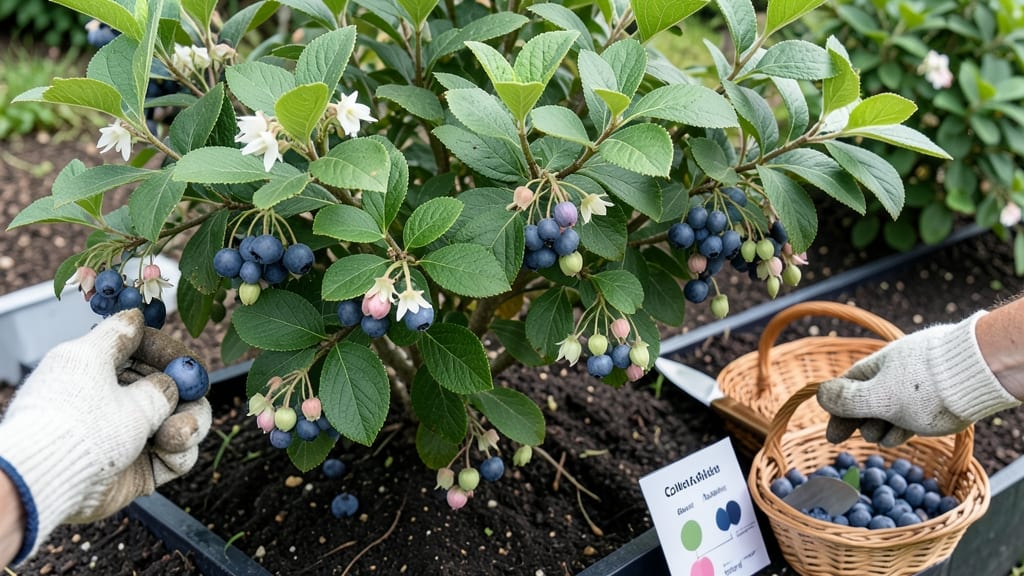
How to know when blueberries are ready to pick can turn a disappointing harvest into a sweet, juicy bounty—here’s the simple trick to never miss the perfect moment again.
Those deep blue gems don’t ripen all at once, so timing matters. You’ll want to check for three key signs: color, firmness, and how easily they separate from the stem. Skipping even one of these can mean tart, underripe berries or mushy overripe ones.
I’ll walk you through exactly what to look for, including the best time of day to harvest and how to handle them once they’re off the bush. No more guessing—just perfect, ready-to-eat blueberries every time.
Ready to become a blueberry-picking pro? Let’s get started with the easiest way to tell when your bushes are loaded with ripe fruit.

Blueberry ripeness by color: the 3 key shades to watch
Blueberries ripen through a stunning color transformation, starting as green buds that blush red before finally deepening into deep blue. Understanding these stages helps you avoid underripe tartness or overripe mushiness. The key lies in recognizing the three critical shades that signal perfect ripeness.
First, look for deep purple-blue berries—this is your prime indicator. However, sunlight exposure plays a trick: shaded berries may stay red longer, while those basking in full sun ripen faster. Varieties like Bluecrop or Jersey turn blue first, while Rabbiteye types might linger red longer.
Never rely solely on color—some overripe berries turn almost black, while underripe ones stay pinkish-red. Combine color checks with texture tests (we’ll cover those next) for foolproof results. Morning sunlight enhances color vibrancy, so harvest on cool mornings for the best visual cues.
| Stage | Color | Ripeness | Action |
|---|---|---|---|
| Early | Red/Pink | Underripe | Wait 3-5 days |
| Mid | Purple-Blue | Near-Ripe | Test texture |
| Late | Deep Blue | Perfect | Harvest immediately |
Pro tip: Southern-facing bushes ripen first, often by 1-2 weeks before northern exposures. If your bushes are clustered, pick the earliest ripening branches first to extend your harvest window. Remember, blueberry skins contain protective wax that wears off when bruised—handle gently!
For wild blueberries or lowbush varieties, expect smaller berries that ripen all at once. These turn a dusty blue when ready, often while still attached to pinkish stems. Use a white plate as a backdrop to spot these subtle color shifts.
If you’re unsure, taste test one berry from a cluster—ripe ones should be sweet-tart with minimal acidity. Overripe berries taste mealy or fermented, while underripe ones are sour. This quick check saves time and prevents wasted effort on unripe batches.
Color fades in direct sunlight, so harvest on cloudy days or in the early morning when berries are coolest. Store harvested berries in the fridge (not the counter) to slow ripening of any remaining clusters still on the bush.
Finally, watch for bird activity—when birds start feasting, you’re within 24-48 hours of peak ripeness! Use bird netting if needed to protect your crop while monitoring color cues.
Blueberry ripeness by color: the 3 key shades to watch
Blueberries ripen through a color transformation that’s your best clue for timing harvests. Unlike many fruits, they start bright red and gradually deepen into deep indigo or blue. This shift isn’t just about aesthetics—it signals sugar development and peak flavor.
The sunlight exposure of your blueberry bushes plays a huge role in color. Berries on sunny branches ripen faster and develop a richer hue, while those in shaded areas may stay redder longer. Even within one bush, you’ll see variations based on light access.
Here’s what to watch for in each stage:
| Ripeness Stage | Color Description | Harvest Readiness |
|---|---|---|
| Early Stage | Bright red or pinkish-red | Not ready (hard, tart) |
| Mid Stage | Purple-blue with red tint | Nearly ready (check texture) |
| Mature Stage | Deep indigo or blue (no red) | Fully ripe (sweet, juicy) |
Pro tip: Some wild blueberry varieties stay redder longer due to lower sunlight. If your berries are deep purple-blue but still have a hint of red, they’re likely ready in 1-2 days. Never pick based on color alone—always combine with the texture test.
Color changes also depend on the blueberry variety. Southern highbush types ripen earlier (June-July) and turn blue faster, while rabbiteye varieties (July-August) may linger in purple stages. Check your plant tags for expected ripening windows.
One final color clue: Overripe berries develop a dull, grayish-blue hue and may leak juice. If you see this, harvest immediately or they’ll attract pests like birds and raccoons.